
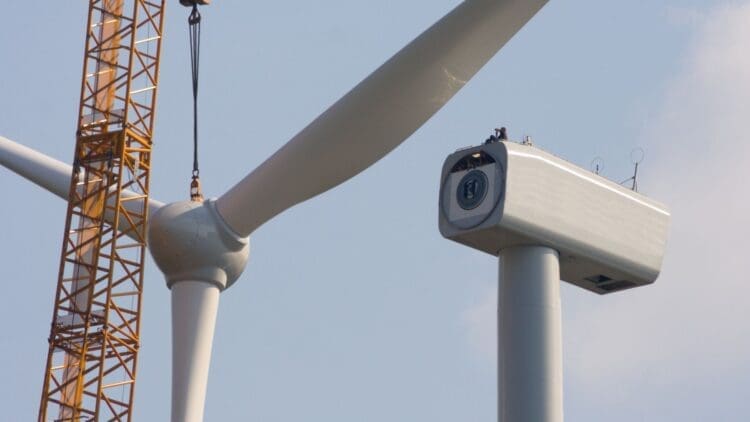

Fiberglass composites had long served reliably in manufacturing – easy to produce, tough, yet lightweight. Over time, however, repeated stress cycles, sunlight damage, and extreme climates wore them down; most turbine blades exited service by the age of 30. The weak point was handling old materials: heat-cured binders trapped fibers so tightly that extracting them proved costly and messy, leaving disposal as the common path.
Why does the 30-year limit on wind turbine blade lifespans matter?
A fixed limit on turbine blades is shaped for long-term decisions. Developers forecasted replacements, insurers assessed hazards, and officials accepted debris due to low-carbon benefits. This created an odd outcome: renewable sites cut pollution but built up stubborn trash rarely reused.
Interest in carbon fiber among turbine engineers started years ago, drawn by its stiffness, lightness, and ability to endure repeated stress. Cost issues stood in the way, along with concerns about reuse – older types relied on thermoset resins that were difficult to recycle.



Thirty years ago, few questioned how long turbine blades would last – durability limits quietly defined industry norms. Maintenance schedules were formed around these unspoken timelines, shaping how projects were planned. Public trust grew, yet doubts lingered about what would happen when those massive structures wore out. A new development in China now challenges that old timeline.
The first fully recyclable carbon fiber turbine blade: Does this solve problems?
Ming Yang Smart Energy has introduced a blade made entirely from recyclable carbon fiber – the first of its kind globally.
Ming Yang Smart Energy expands on its innovation with blades built entirely from reusable carbon fiber for future offshore turbines. By using innovative resins, the material allows fibers to be reclaimed after use, combining durability with a closed-loop approach. Tough conditions at sea require materials that hold up under pressure; here, carbon fiber delivers strength where it matters most.
Separating fibers from the matrix is a task supported by thermoplastics or tailored engineering setups. Ming Yang calls this “closing the loop”: once retired, blades are processed so materials return to production lines instead of piling up in landfills.
If trials confirm success across multiple turbine groups, standards for blade creation, safety checks, and retirement might change entirely. Rival firms may need to move faster on developing reusable materials, which could push entire sectors – including wind energy – towards more sustainable production cycles.
Economic and environmental implications of carbon fiber in wind turbine construction
A structure’s lifespan often exceeds thirty years when built with carbon fiber, thanks to its resistance to ongoing stress. Maintenance requirements decrease as durability improves over time, and long-term value increases steadily under these conditions.
Old turbine blades find a new purpose through recycling, reducing the strain on landfills. This change strengthens the cycle of reuse within wind power’s material flow. Fewer raw resources mean lower emissions during manufacturing, making reliance on wind power more sustainable over time. Ultimately, recycled inputs help reduce the environmental footprint of turbine production.
Cost considerations for carbon fiber blades
Cost considerations for carbon fiber blades are also a factor, with investors tracking developments carefully – carbon fiber still costs more than fiberglass. Despite this, growing production scale might shift the advantages towards reusable carbon fiber blades. Short-term expenses remain higher, but the promise of reduced waste and longer lifespans adds weight to the investment case. Not merely digits on a timeline, the three-decade limit always carried assumptions – about decay, excess, and trade-offs.
Durability meets reuse in Ming Yang’s new blade, crafted from carbon fiber that can be reused after service. Should testing confirm its promise, energy from turbines gains both a longer lifespan and a cleaner footprint, shifting how we view raw matter: value stored, not discarded. For years, the field sought harmony between strength and sustainability. Now, with once-forever plastic fiber able to return, equilibrium feels within reach.



