
Over 720 worn EV batteries are now plugged into a San Antonio energy storage field, and the autonomous vehicle company that just agreed to supply more of them to Texas is the twist the grid didn’t see coming
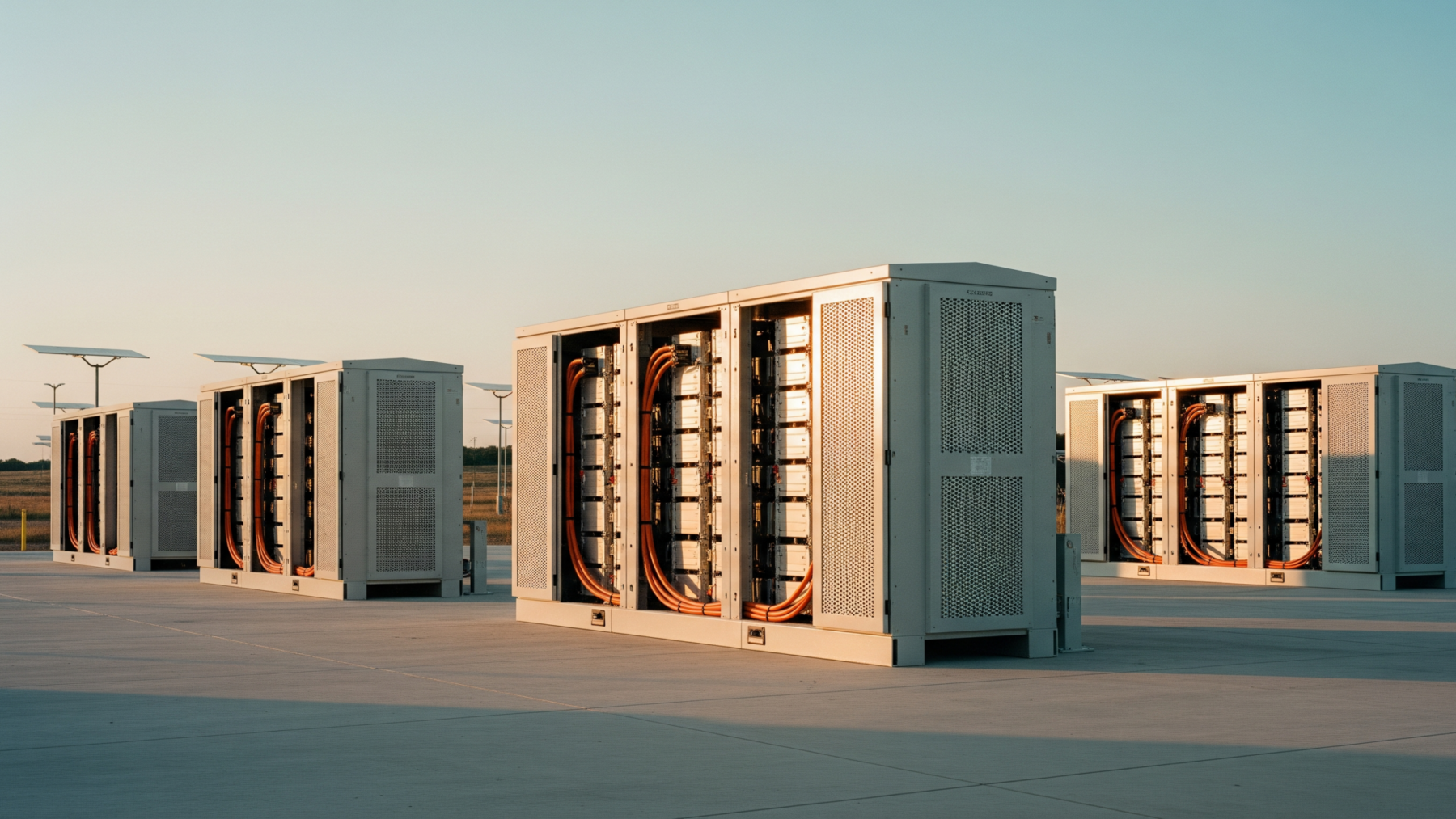
On a flat stretch of land east of San Antonio, rows of pale gray cabinets sit in the Texas sun.
Each cabinet is stuffed with battery packs pulled from electric vehicles that could no longer cut it on the road.
They could not deliver the range a driver expects.
The Bexar Corrilla facility sells directly into the ERCOT wholesale market, meaning its discharge events flow toward the homes and businesses of greater San Antonio.
But they still held somewhere between 70 and 80 percent of their original energy capacity.
That turned out to be more than enough for a different job entirely.
And the company that figured out how to put them to work just struck a deal that no one in the Texas grid business expected.
A battery’s working life is longer than drivers think
Most people assume a battery is finished when a car is retired from active use.
The reality is more complicated and considerably more valuable.
Their performance no longer matches automotive requirements that demand full charging for long range driving.
A pack that cannot push a two ton vehicle through rush hour can still absorb cheap midday electricity and release it hours later when prices spike.
That gap between automotive retirement and true end of life has been sitting there, largely untapped, for years.
One California startup decided to do something about it.
The cabinets that changed the math
B2U Storage Solutions emerged from the solar development world with a focus on cutting the cost of grid storage.
B2U’s technology allows the company to buy retired EV battery packs without modifying them, creating large scale storage projects for less than the cost of new batteries.
The trick is a patented plug and play system that slots packs from different car brands into a single cabinet.
The cabinets handle batteries from a variety of EVs with different capacities, getting use out of them all.
Each project looks, from a distance, like a row of industrial refrigerators parked beside a solar field.
Inside, AI driven software runs around the clock, reading the Texas wholesale power market and deciding when to charge and when to sell.
Why Texas needed exactly this kind of storage
Texas runs its own grid, and that grid has a particular problem the rest of America is only beginning to face.
Solar generation has grown so fast that midday prices regularly collapse toward zero, or even below.
B2U considers Texas a strong fit because its systems can store electricity when large solar plants run at full capacity and prices are low, then feed it back when demand peaks.
Executing that rhythm with retired car batteries is the part that raises eyebrows among grid engineers.
The company’s EPS platform is certified to UL 9540, ensuring it meets key safety standards for large scale battery energy storage.
The first Texas site passed those tests, found its footing, and started trading power.
What actually lives inside those Bexar County cabinets
The first complete Texas facility, called Bexar Corrilla, sits in Bexar County just east of San Antonio.
The 10 MW and 20 MWh project was commissioned in late 2025, incorporating over 720 repurposed EV batteries providing power and grid services to the ERCOT wholesale market.
A second Bexar County site broke ground in April 2026, with equipment at the Bexar Martinez project delivered in June.
Then came the announcement that reframed the entire enterprise.
In Q2 2026, B2U announced a strategic supply agreement with Waymo to repurpose batteries from their autonomous vehicle fleet once retired from automotive use.
Robotaxi batteries, logged across countless passenger trips, are now slated for a second career storing Texas solar power.
That is a supply pipeline unlike anything the second life industry has seen before, because Waymo’s fleet turns over on a known schedule, delivering consistent and well documented packs.
For grid planners trying to model storage capacity years ahead, predictable feedstocks matter enormously.
The grid that feeds San Antonio, and what comes next
The Bexar Corrilla facility sells directly into the ERCOT wholesale market, meaning its discharge events flow toward the homes and businesses of greater San Antonio.
Over the next 12 months, B2U plans to deploy three additional grid storage projects using repurposed EV batteries in Texas.
The company aims to have over 150 MWh of repurposed EV batteries deployed by mid-2026, including its California solar and storage projects.
What B2U argues is that cost and speed favor its approach in a moment when Texas needs storage faster than new factories can supply it.
Second life batteries cost less than new lithium ion cells, and B2U’s plug and play method compresses the timeline from retired pack to grid connected storage to weeks rather than years.
Somewhere above Bexar County, a Waymo vehicle is still ferrying passengers across a sunlit city street, its battery counting down the miles toward a second life it does not yet know is waiting.

Hugo is an engineer with strong technical expertise. Multilingual from an early age, his writing combines technical clarity with a strong interest in science and energy.
