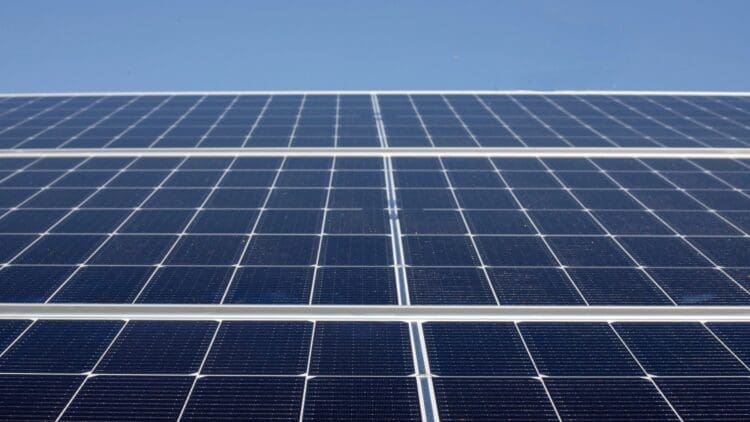

With the end of the year comes the expected forecast for the energy sector’s performance during 2026, and several industry analysts have reported a less-than-ideal year ahead for the solar sector. The world has become increasingly aware of the need to diversify its energy market to include the untapped and often overlooked potential of renewable energy resources like solar power. Solar power has emerged as the uncrowned king of the sector and has catapulted the renewable market into the forefront of everyone’s minds.
The winds of change have swept over the United States energy sector
When Donald Trump ran for his second term, he promised the United States would “drill, baby drill”. Now, most people would have taken that as simple campaign rhetoric. However, those with their ear to the ground would have known that this is a sign of things to come and not simply a statement to get voters to the booths.
Since taking office and starting his second term, Donald Trump has enacted several policies that have shaken up the energy market in the United States. Through his executive orders, Trump has essentially reversed any progress the previous administration made in the renewable energy sector, as Mr Trump has, on multiple occasions, displayed his disdain for the sector.

The energy storage sector has given the United States market some hope of relief
While significant policy changes, like the Republicans and the White House’s overhauling of federal energy tax credits and trade policy, the energy storage solutions around the world have seen massive advancements. With market analysts noting more than 92 GW / 247 GWh of energy storage additions in this year alone. However, that has not alleviated fears for the 2026 season.
Despite market stagnation, solar energy is still the leader in the renewable energy sector
The tariff campaign that the United States has enacted against China and other nations has severely impacted the energy sector, not just in the US, but all around the world as well. Trump has since rolled back a vast majority of his tariffs, with a meeting between himself and President Xi in October laying the groundwork for an easing of tariffs in exchange for several policy changes from China.
Despite the unwaivering market instability this year, energy analysts like the International Energy Agency have reported that solar power is set to become the dominant force in the renewable market in 2026 and beyond. In its latest report, the IEA has noted that solar PV is set to account for 80% of new capacity additions globally over the next few years.
The International Energy Agency has reported the stagnation of the world’s embracing of solar PV
The promising increase in solar production has been offset by the forecasted performance of the renewable energy sector overall. The IEA has reported, in its Renewables 2025 report, that it has lowered the renewable energy growth forecast for 2025-2030 by 5% compared to the previous year. An example of the expected poor performance is the news that European solar PPA rates sank in Q3 of 2025, leading to more market instability.
The need to decarbonize the energy sector has not been lost on the world’s largest energy companies
The market forecast notes that stagnation and policy headwinds are a cause for concern for the international energy community, but that there is light at the end of the tunnel. Huge energy companies are investing in modernizing formerly underdeveloped nations’ energy grids through strategic partnerships and projects. With 2026 just around the corner, the world will need to do more to foster a welcoming environment for the renewable energy sector and do away with the market policy and trade uncertainty that has swept through the world.