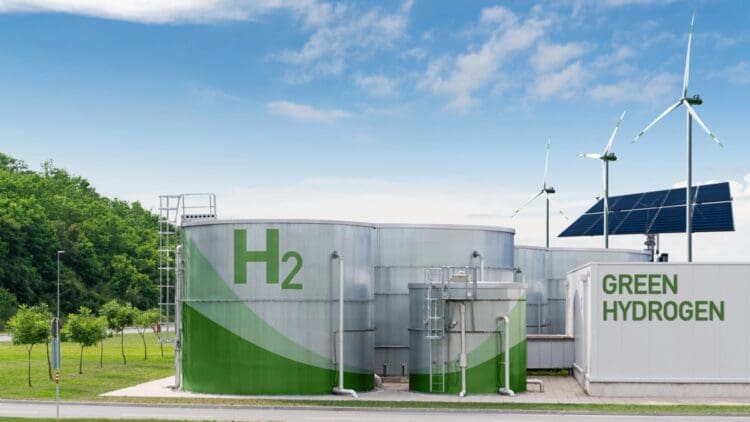

2026 is right around the corner, and amid the world of possibilities that the renewable energy sector presents the world, hydrogen has long lagged behind its solar and wind power cousins. Hydrogen is the most abundant element in the known universe and a precursor for life as we know it. Now, a major player in the global energy sector, Aslan Energy Capital, has targeted a 2026 Final Investment Decision, or FID, for an exceedingly large hydrogen venture in the Asian nation of Indonesia, positioning it as a regional leader in the hydrogen sector.
The Hidrogen Energi Mitra Utama project in Indonesia exemplifies the region’s embrace of the renewable energy sector
The project aligns perfectly with global emission goals and may provide substantial returns for any investors aiming to dive into the Asian renewable energy sector. Aslan Energy Capital has become a market leader in the renewable energy industry with operations spanning the globe, and the firm has now set its sights on Indonesia.
The Hidrogen Energi Mitra Utama project will feature 600 MW of installed electrolysis capacity, which will be powered by a 1,200-MWh solar plant. Aslan Energy has noted that it plans to hold a front-end engineering and design tender to develop the astonishing facility near Batam, Indonesia. While nothing is set in stone just yet, the firm has noted its plan to make an FID in 2026.

Hydrogen has faced some problems in recent years, due to the exceedingly high operational costs involved
The hydrogen sector has not grown at the rate at which it is capable of, mostly due to several mitigating factors, such as operational costs and a lack of substantial investment from energy firms and companies. Now, that reality is set to change in the near future with Aslan Energy opting to contemplate an FID in 2026 for the Indonesian hydrogen facility.
The project will feature the latest in hydrogen production technology
While there have been no concrete commitments, the overarching consensus is that the project is expected to move forward in the new year, with Aslan Energy committing to a 2026 FID. The project will feature utility-scale solar farms with alkaline electrolyzers and will optimize production by relying on energy storage systems to operate at night.
Production at the facility can benefit from proximity to Singapore, which also aims to increase renewable energy capacity over the next few years. A major hindrance in the adoption of the hydrogen sector has been investments. Aslan Energy’s leadership is noting the challenges the sector faces in operational costs and other mitigating financial factors.
“Many hydrogen projects are not commercially viable, with storage and transportation costs forming a significant barrier to adoption. However, our HEMU project is located a mere 40 km away from Singapore, easing transportation cost concerns.” – Aslan Energy Chief Executive Officer Muthu Chezhian
As the hydrogen dream gains traction, more nations are turning to the sector to increase low-carbon hydrogen production. Hydrogen needs a more welcoming investment environment if it is to achieve the dream of becoming the dominant renewable energy resource.
Indonesia can become the dominant supplier of hydrogen to the Asian region
The plan that has been outlined by Aslan Energy is a step in the right direction. Hydrogen has not had a long enough timeframe to become a cheap energy resource to produce, but through strategic investments like Aslan Energy’s FID, the sector can get back on track following several years of stagnation. Developing a welcoming investment biosphere will be essential to increasing the standing of the hydrogen sector, and the EU has plans to back hydrogen deployment in the Baltic Sea. So like it or not, hydrogen is set for a bright and sunny future.