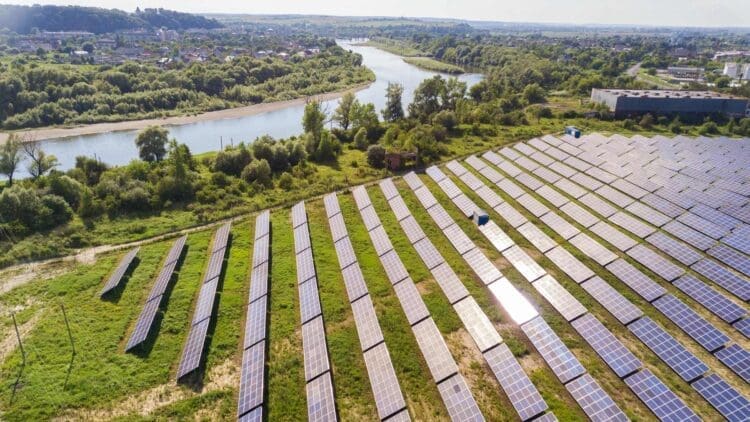

Ensuring proper community engagement is essential for any energy project. However, as the energy industry often requires components to be built that pose a threat to local lands, the opposition to new projects is normally quite fierce. That reality has not been averted by the new solar and battery storage project that the Australian government has recently approved amid a wave of concerns raised by locals. Australia’s former dependence on the oil and gas sector has all but vanished in recent years, with the renewable energy sector gaining momentum.
A new hybrid solar and battery storage facility has passed muster with the government
The new hybrid 322 MW / 1 GWh Meadow Creek Solar Farm and utility battery has passed all the regulatory hurdles put in place by the government, despite some concerns being raised by the Rural City of Wangaratta. Australia is in a delicate balancing act at the moment as the nation aims to meet its 2035 clean energy target.
The $490 million project will consist of a 332 MW solar farm working alongside a 1 GWh battery energy storage system (BESS) in the Wangaratta region, approximately 265 kilometres northeast of Melbourne. Once construction is complete and the farm begins operations, the Meadow Creek Solar Farm will produce enough electricity to power 110,000 homes and support regional grid security as well as Australia’s clean energy target of 95% by 2035.

Concerns have been raised by the local indigenous community
The city of Wangaratta has raised its concerns over the project being approved by the Victorian government. Despite that, the Meadow Creek Solar Farm leadership has noted that the project received the blessings of local organizations.
“Including the many supporters who stepped forward. We also extend our gratitude to the Taungurung Land and Waters Council for their invaluable support as the Registered Aboriginal Party.” – Meadow Creek Solar Farm Development Director, Cameron Munro
China is aiming to enter the Australian renewable energy market as well
China’s Trina Solar, a market leader in the solar industry, has announced it has received approval from the local government for its planned 500MW/1,000MWh battery energy storage system in the Murray-Darling basin, which is to the east of the state capital, Melbourne. The Kiewa Valley BESS has received approval from the local government and will be located in the Ovens Murray Renewable Energy Zone (REZ).
The government plans to foster investments in the REZ and become the go-to destination for the Chinese solar industry in Australia. China makes the vast majority of the world’s solar panels and has maintained a grip on the emerging renewable energy market amid a surge across the world. State Premier Jacinta Allan announced the approval during a trip to Beijing to discuss the planned project.
“This BESS is another way we’re shoring up energy supply and assisting our transition to 95% renewable energy by 2035.” – State Premier Jacinta Allan
The move marks a shift in the regional government’s ambitions as the state hopes to become the preferred destination for Chinese clean energy investment in Australia. Hybrid solar and BESS parks have become all the rage in recent months, not just in Australia, but further afield as well.
The growth of the Australian solar sector has led to some surprises for citizens
The news of the two renewable energy parks near Melbourne is representative of the renewed optimism in Australia. For generations, the nation has relied on the oil and gas sectors as the main energy driver. That reality has changed in recent years as nearly one in three Australians now has rooftop solar panels installed on their homes. This has led the government to astonishingly offer up to three hours of free electricity to citizens. Australia’s energy future is looking bright, as bright as the sun that powers its booming solar power industry.