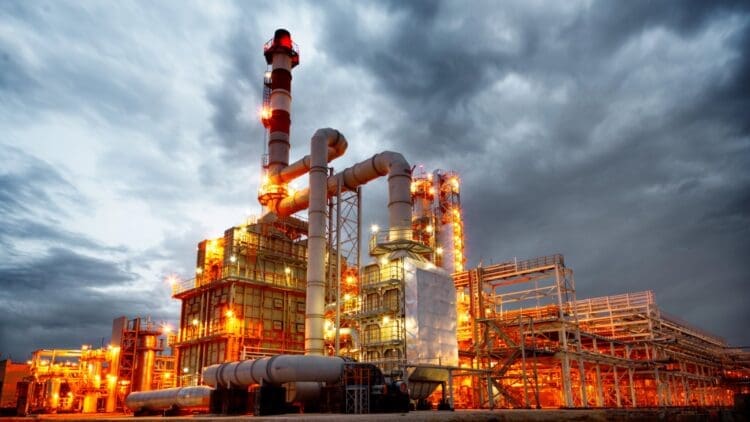

The regional energy market has been in a transition as of late, as a litany of nations aim to diversify their energy sectors. One such nation that has expressed its intentions to enter new markets is China. Through its substantially large energy company, Sinopec, the nation has outlined plans to modernize and expand its Tahe integrated refining and chemical complex in Xinjiang. The Chinese energy market has become the dominant force in the global energy sector through astonishing projects that align with global sentiments.
Sinopec is looking to jump on board the petrochemical bandwagon in China
The substantial growth of the global petrochemical sector has been a sight to behold for the international energy community. With several nations aiming to enter the market for the first time, China is hoping to stay ahead of the new energy curve and modernize its Tahe integrated refining and chemical complex in the near future.
Sinopec’s plan is to increase Tahe’s crude processing capacity to 8.5 million metric tons annually, a sharp jump from the current levels of 5 million mt/year. Additionally, Sinopec plans to add 16 new refining and chemical units at the facility. Among the modernization and expansion plans for the Tahe complex are the construction of:
- An 800,000 mt/year ethylene cracker
- An 800,000 mt/year aromatics complex
- a 2.4 million mt/year hydrocracking unit
- a 1.5 million mt/year continuous reformer
Sinopec has noted that construction is set to be completed by 2029, and once the new facility upgrade is operational, the facility is expected to generate roughly $2.8 billion in annual output value. The plan coincides with a new directive undertaken by the Chinese government to phase out older petrochemical facilities in favor of projects that align closer with international emission ambitions.
China’s industrial energy ambitions are reaching new and astonishing levels
The project comes at just the right time for China, as the nation recently celebrated the 70th anniversary of the Xinjiang Uyghur Autonomous Region. At the star-studded event in Urumqi, Xinjiang Party Secretary Chen Xiaojiang announced the commencement of several regional projects to boost the Chinese petrochemical sector in the coming years, aligning with global trends playing out at the moment.
“In recent years, Sinopec has deepened cooperation with Xinjiang to align with national strategic goals, and the Tahe project represents a new phase in building an integrated, green, and intelligent petrochemical hub,.” – Hou Qijun, Sinopec chairman
According to Sinopec’s 2025 interim financial report, the energy major spent billions in the first half of the year on upstream exploration and capacity development, paving the way for a new era of petrochemical production in the northwest of the nation. Sinopec plans to shift away from conventional bulk heavy fuel production to the more environmentally friendly petrochemical sector in the coming years.
Sinopec has ambitions for petrochemical production outside of China as well, evidenced by the recent announcement that the company has signed an agreement with the government of Algeria to expand the nation’s refining capacity over the coming years. This new expansion approach for the global market sets China up for a long future of dominating the international energy sector.
Petrochemical production has become the darling of the new wave of energy projects globally
China’s proclivity for petrochemical production is an example of the global market trend unfolding in recent months. Algeria’s ambition to enter the sector has been realized by a recent announcement that its national oil company has outlined plans to expand petrochemical and refining capacity. The petrochemical sector has been growing like a weeping willow, reaching new heights as the world begins to understand the need to diversify the energy sector to include new projects that do not rely on conventional energy resources.