
With 2025 fading away in our collective rearview mirrors, new and exciting developments are heading our way in the new year. 2026 brings with it a wave of new and proposed projects that can boost the already substantial reliance on gas production. Now, a major consortium has been awarded the rights for the YT2 gas pipeline project in Taiwan. The Asian gas market has been growing at a rapid pace in recent years due to the world’s buyers searching furiously for a non-Russian gas supplier.
Taiwan has become the latest nation to accelerate its energy transition to gas
Taiwan has had a, let’s say, challenging history. For many decades, the nation has been embroiled in geopolitical tension with China. While this affects nearly every aspect of daily life in the tiny Asian island just off the coast of China, it certainly has not stopped the nation from developing its energy assets and ambitions to accelerate the transition to gas production and usage.
The CPC Corporation Taiwan has awarded the contract to construct the second gas pipeline from Yongan to Tongxiao, known as the YT2 pipeline, to a 50/50 consortium between AIlseas and Boskalis. With the total contract value being estimated at approximately EUR 1.2 billion, the project is intended to support and accelerate the Taiwanese ambitions to boost gas production in a nation that has very little land mass for energy projects overall.

Natural gas pipelines have become an essential component of any nation’s processing power
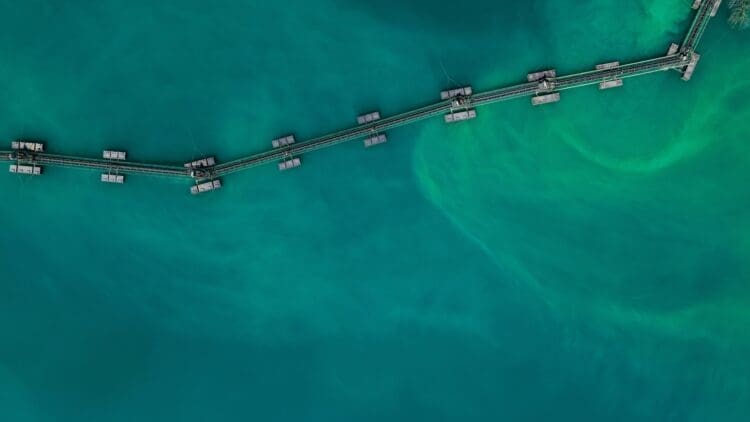
The consortium will have the responsibility of designing, constructing, installing, and pre-commissioning the natural gas pipeline known as YT2. The project calls for the construction of a new 36-inch offshore natural gas pipeline, which will run 232 kilometers alongside the existing YT1 pipeline. The YT2 pipeline will connect the Yongan LNG terminal in the Southwest of Taiwan to the Tongxiao transfer station in the Northwest.
The consortium brings some of the most advanced technologies to the YT2 project
Between the two major players in the consortium, the entire construction and installation of the necessary pipeline components will be handled, including trenching, pipeline installation with 34 crossings across existing assets in the region, as well as backfilling and two landfalls. Allseas will handle the pipeline installation and pre-commissioning, as well as deploy two of the most advanced pipelay vessels in the global industry.
On the other hand, Boskalis will handle the landfalls and associated microtunnelling activities, not to mention the installation of rocks for the 34 pipeline crossings. To efficiently handle these activities, the company will deploy a large backhoe dredger, two large hopper dredgers, and, lastly, a subsea rock installation vessel.
A wave of new pipelines is set to hit the market in the new year
Notably, the consortium and CPC Corporation Taiwan have expressed their ambitions for project execution in the new year, with full-scale operations set to kick off sometime in 2027 or 2028. A new report has outlined the substantial expansion of global pipelines that has swept across the international market and will continue to grow over the coming years.
The Taiwanese project aims to intensify energy security and reliability in the region
Asia has been fostering a new era of energy production across various sectors in the energy industry. Everything from renewable energy, such as solar and wind, to the more conventional gas projects that Taiwan has in store for the new year, the outlook for the Asian market heading into the new year is looking good. With the United States leading the world in gas production through its growing gas pipeline and processing power, the rest of the international gas market is aiming to develop its own respective assets to boost gas production and usage in the new year.