
Angola prepares to start operations at the new Cabinda refinery by late 2025
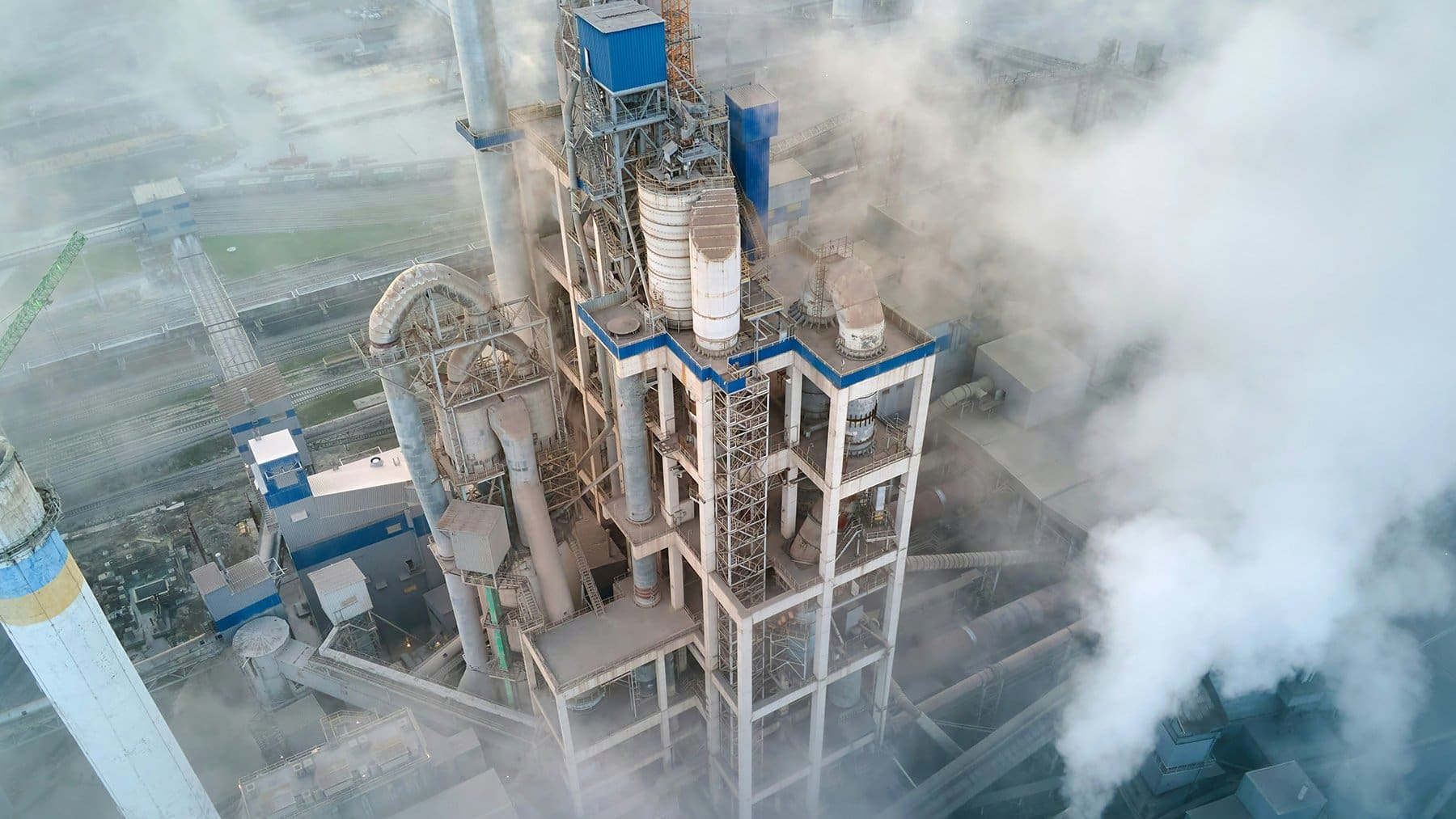 Credits: Getty Images on Unsplash
The African energy market has been growing at a rapid pace in the last few years as nations aim to develop energy security and reduce reliance on imports. Angola is one such nation that has plans to develop its crude oil production over the coming years. The nation in the South West of Africa recently announced that the operations to prepare the Cabinda refinery to produce vast amounts of crude have kicked off, with expectations that the refinery will start producing oil later this year.
The Cabinda refinery is a landmark achievement for Angola in its energy market
Angola only gained independence from Portugal around 50 years ago, and since then has been embroiled in one geopolitical issue after the next. Thankfully, the government has been working on developing the nation’s refining capacity to reduce reliance on imports of essential energy resources, which, up until now, have made up the vast majority of the nation’s energy supply.
According to the government of Angola, the Cabinda refinery will have an initial refining capacity of around 30,000 barrels per day. The government has also noted that it expects the Cabinda refinery to start production by the end of the year, so time is running out for the African nation. The refinery is only the second in the country’s history, and the first to be built since gaining independence over 50 years ago.
The Cabinda refinery launch saw some of the highest-ranking members of the Angolan government in attendance
At the celebration launch of the Cabinda refinery, the Angolan oil and gas Minister, backed up by the President, noted that the project will increase the Sub-Saharan nation’s refining capacity and reduce reliance on imports. The largest shareholder in the project is none other than London-based emerging markets investment firm Gemcorp.
“Today we can confirm that the Cabinda refinery is entering its decisive phase and that by the end of the year, Angola will have the first commercial derivatives produced at this unit.” – Diamantino Azevedo, Angolan Oil and Gas Minister
Angola is aiming to drastically reduce its reliance on imports of refined petroleum products
At the inauguration ceremony, the state-owned Sonangol noted that at the moment, Angola imports roughly 72% of its domestic fuel consumption, which amounts to an astonishing 3.3 million metric tonnes of refined petroleum products every year. With the new Cabinda refinery, the nation can drastically reduce those numbers.
Gemcorp has noted that the initial investments for the project range between $500 million and $550 million, which is higher than initial expectations due to the pandemic and substantial levels of inflation that have swept across the global market. The second phase will include increasing refining capacity to approximately 60,000 bpd and, additionally, will add a diesel and jet fuel-producing hydrocracking unit.
Over the past two years, the Angolan government has been aiming to phase out subsidies for fuel production, but a drastic uptick in prices was met with substantial and even deadly protests from the populace. Africa has seen several refineries aiming to expand operations and increase capacity, such as the Dangote refinery expansion in Nigeria.
Sonangol is aiming to develop an African supply chain for the necessary energy production
The state-owned energy company, which holds a mere 10% stake in the Cabinda refinery, has noted its intention to maximize the yields of crucial high-value products like gasoline, jet fuel, and diesel in 2026. The Cabinda refinery is a landmark achievement for the nation, as up until now, Angola has sent the vast majority of its crude to be processed in Europe or Asia, increasing costs and reliance on foreign nations. Other African nations have expressed similar ambitions to increase refining capacity, such as Algeria, with its $7 billion plan to expand petrochemical and refining capacity.
