
Flat solar panels are a waste of time — “Panda” wraps objects like Christmas gifts and makes them produce energy
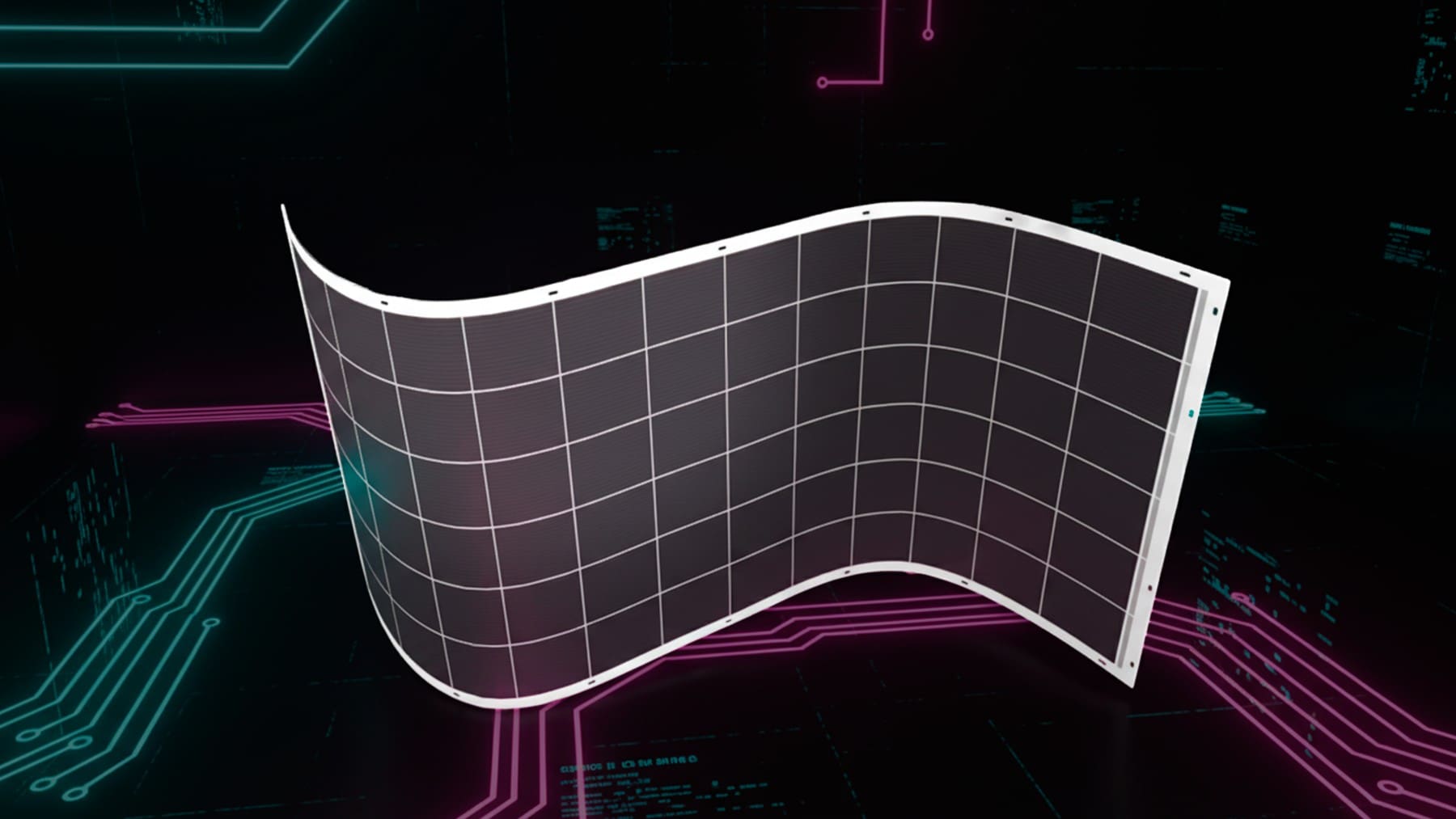 Credits: Apollo Power
For years, solar energy systems involved flat, inflexible panels placed on rooftops and spread across solar farms. However, one new company, Apollo Power, is changing the game. An Apollo Power product, Apollo Panda, allows users to cover any surface like a gift of energy by turning it into a solar generator.
Apollo Panda’s design: Lightweight but powerful
Apollo Panda is a lightweight, flexible solar foil designed to cover irregular objects and convert them to energy-generating structures. Solar panels need flat, unobstructed surfaces, but Panda wraps around any surface, even those with rounded tops, moving parts, or other angular structures. Apollo Power considers Panda an industry innovation in the solar energy sector as it can be utilized in a wider variety of locations and situations.
A visually appealing wonder
The idea, rather than a seamless installation of solar panels, is to wrap and cover and surface with this solar foil, be it on outdoor equipment, vehicles, payload containers, or many more options. This creates energy-collecting devices while keeping them visually appealing.
Flexibility means more fuel generation and flexibility
The nature of solar panels means that they need specific environments for installation. Most of these involve flat, rigid surfaces or vast tracts of open space, a requirement of having to be positioned to catch sunlight
Apollo states:
“These are because flat panels resting on the surface, flat systems, and lose placement where exposed to lower sunlight.”
The flexibility of Panda could mean endless fuel generation for delivery trucks. This is just one example of how an independent system could provide energy. Other examples are sensors, remote communication devices, and electronic infrastructure.
Apollo has released Half-Panda, a product for smaller projects with the opportunity for expansion later
Not everyone will want to jump into full Panda coverage, such as smaller companies who are still growing. Others may simply want to test the technology before investing. This is where Half-Panda comes in.
Apollo has developed a modular spin-off product that’s suitable for smaller-scale installations. The beauty of this option is that the system can be expanded with the addition of more product, meaning the installation and energy output will grow along with needs.
Panda has huge potential for worldwide adoption due to its compatibility with so many surfaces
Apollo’s tech involves converting passive surfaces into energy active generators, which helps move the world closer to decentralized power systems. These kinds of systems are needed now more than ever as renewable energy is a global focus. This product fits with the current state, where a system requires flexibility and adaptability to overcome the obstacles of space and infrastructure.
Panda: A reduced carbon footprint at a lower cost
For companies, the Panda system will help to achieve two goals, namely the reduction of their carbon footprint and the lowered operating costs that come from generating power independently. Energy that is produced on-site has benefits that will ensure the value of installing self-powering systems is reached, and Panda looks like a viable option.
A world where solar energy can be harvested without requiring flat, unobstructed spaces is not far away. These kinds f innovations mean that the technology will be accessible to more and more people, and as it reaches mainstream, it will logically become cheaper, too.
With its many applications, including in transportation and farming, Panda will help to redefine energy harvesting, making the world a more sustainable place and ensuring this remains the case for future generations. Panda demonstrates how clean energy solutions do not have to be traditional. The influx of innovations in the clean energy sector show how we can achieve climate goals.
