
Germany ignores solar panels — Huge tower covered by 2,153 mirrors at 700 ºC to produce 1.5 MW with heat flows
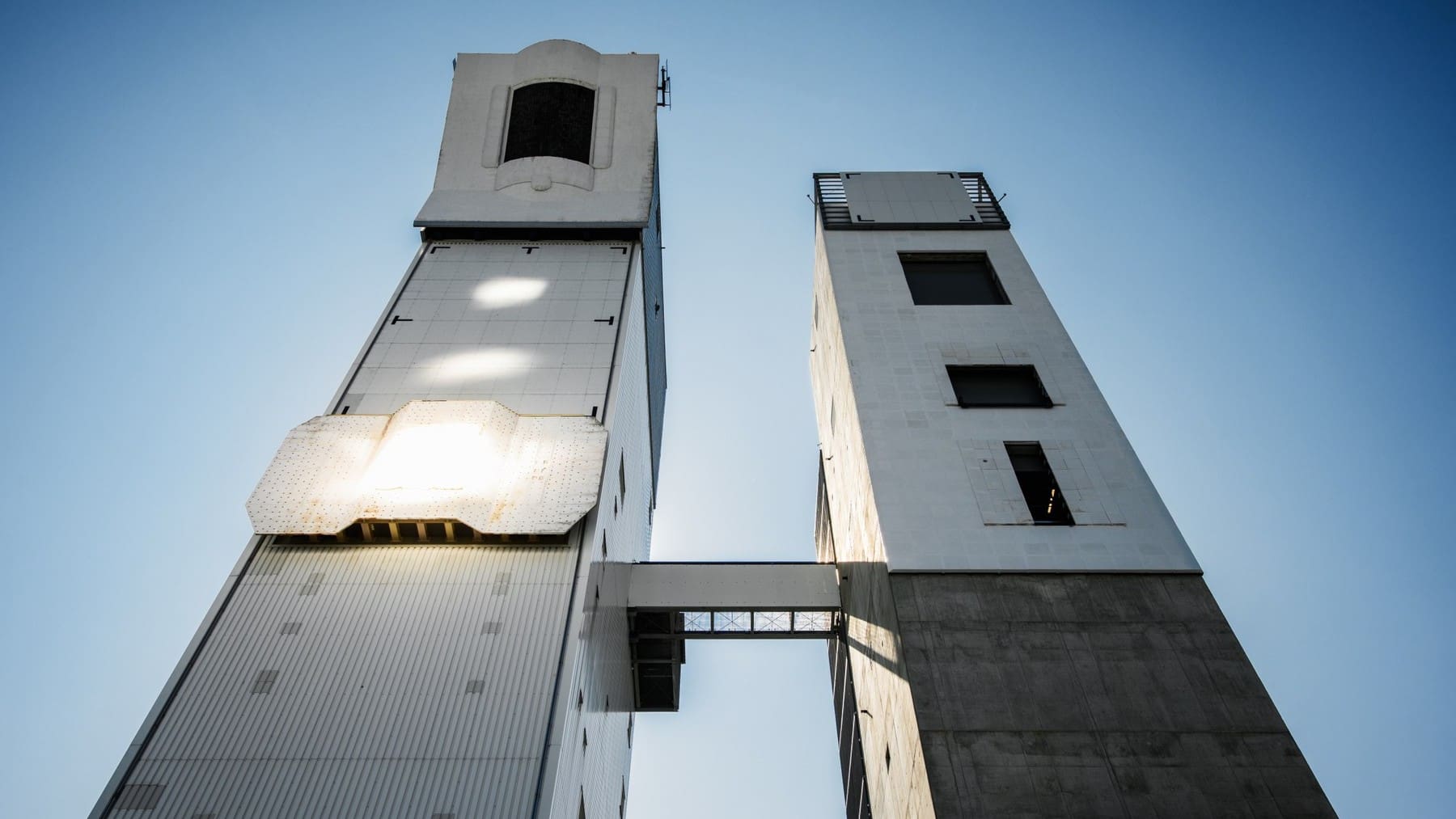 Credits: DLR (CC BY-NC-ND 3.0), no changes made
This year was a ‘will they or won’t they’ type of year for Germany’s energy sector, which slowed down ever so slightly. Fortunately, the country’s renewable energy capacity increased significantly, especially its solar capacity. Now, Germany’s focus goes beyond solar panels, as it seeks the power of reflection. A huge tower covered by 2,153 mirrors at 700 ºC can produce 1.5 MW with heat flows. This tower will help the Germans and the world to research and develop next-generation solar technologies.
Germany ignores solar panels and seeks the power of reflection
Germany’s energy demand has nearly reached a historic low this year, whilst its clean power production reached new heights. The country’s clean power production can be attributed to its substantial additions to its solar power capacity, which has boosted its overall power capacity. According to a Clean Energy Wire report, Germany has increased its solar capacity by 17 GW in 2024.
Near the end of 2025, the country added more than 112 GW to its capacity, meaning Germany is exceptionally closer to achieving its target capacity of 215 GW by 2030. As it continues to reach new heights in renewable energy expansion, some Germans have decided to ignore the old-school solar panels and instead focus on the power of reflection.
According to the DLR’s website, a second tower, the Multifocus Tower, was added in 2020, which serves as a location to test new technologies.
Their research is huge (literally and figuratively speaking). Discover how they use a huge tower and reflected concentrated heat to achieve exceptional, clean power, and so much more.
Huge tower covered by 2,153 mirrors at 700 ºC
For the past 16/17 years, a huge tower has been covered by 2,152 mirrors (heliostats). With the help of these mirrors, the sun’s heat can be reflected and focused onto a receiver found on this huge tower. The air becomes so hot that it reaches temperatures of nearly 700 ºC. This hot air is converted to steam, and the flowing heat is used to drive a turbine, producing power.
No, this is not China’s concentrated mirror power blazing in the desert, but the German Aerospace Centre (DLR)’s huge tower. It is found in Jülich, where the DLR Institute of Solar Research has been focused on solar irradiation research and development. According to the DLR’s website, a second tower, the Multifocus Tower, was added in 2020, which serves as a location to test new technologies.
From extreme temperatures to extreme power
The site does more than reach extreme temperatures. The Solar Towers Jülich also generate extreme power and conduct testing on components of solar thermal power plants and industry. For the latter, the DLR’s Institutes of Future Fuels and Solar Research have teamed up to conduct testing for:
- Solar fuel production (hydrogen)
- Solar water splitting
- Solar heat’s role in industrial processes
According to DLR, the concentrated heat can produce a power output of 1.5 MW, and all excess energy is stored onsite in insulated tanks. However, the towers’ power output is not added to Germany’s power grid. These two towers play a crucial role in the future of solar energy technologies and development for thermal plants, with a specialized focus on:
- Fluid mechanics’ theoretical and IT development and analysis
- Absorber and energy storage systems
- Heat transfer
- Intelligent power plant control
- Direction and concentrating solar radiation
In conclusion, while these two gigantic towers may not be responsible for adding to the country’s power production capacity, they play a vital role in advancing technology to the next generation, ensuring that the world benefits from the most efficient solar power and renewable fuels possible. Without research and development facilities, the world will never achieve its global target of net-zero by 2050, which is why these facilities and all their roleplayers deserve recognition. Germany has also generated hydrogen plasma at a temperature of 20 million ºC.
Anke Maree is a writer with a clear and engaging editorial style. Her work focuses on making complex topics accessible, informative, and relevant for readers across different areas of interest.
