
North Carolina’s solar industry was supposed to collapse after losing its biggest tax break, but something unexpected happened instead
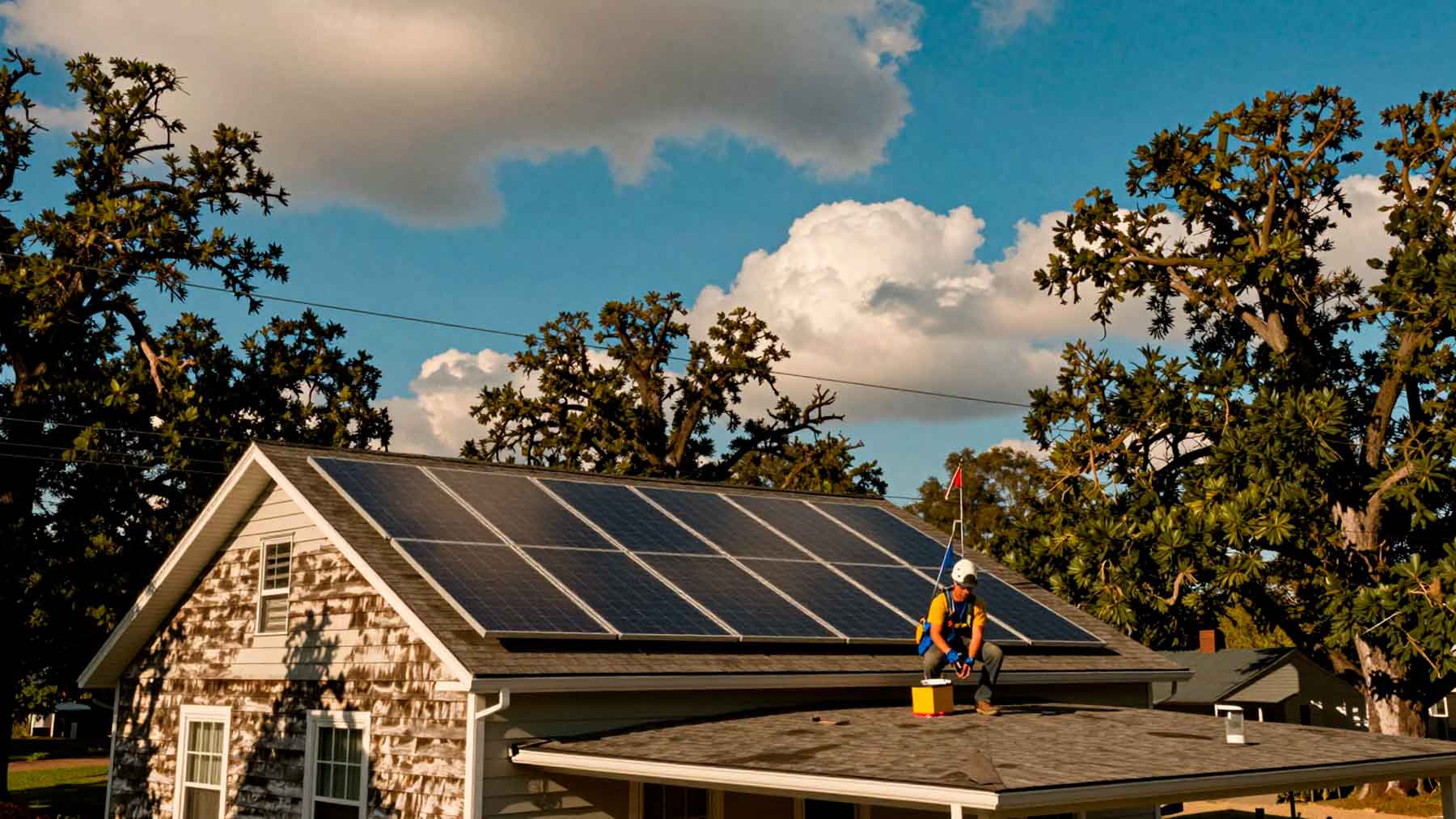 Image generated with artificial intelligence
By almost every metric, North Carolina’s rooftop solar market entered 2026 in full-blown crisis. The federal 30% residential tax credit—long the financial engine of home solar—was completely eliminated. Soaring tariffs and high interest rates piled on, driving new residential installations down by two-thirds in a single quarter.
Yet, veteran installers who should be bracing for disaster are reporting something baffling. Local companies that survived winter’s freefall say sales are surging—with one Cary-based installer logging a record-breaking month.
On paper, the industry is dead. On the ground, it’s thriving.
Duke Energy’s demand-response programs—like EnergyWise Home—now pay homeowners roughly $50 monthly in exchange for tapping stored battery power during peak events.
A market that looked like it was collapsing
The early 2026 data left no room for optimism. After federal lawmakers passed the One Big Beautiful Bill Act—wiping out the 30% Residential Clean Energy Credit last December—rooftop solar installations in North Carolina cratered by two-thirds between Q4 2025 and Q1 2026, according to the North Carolina Sustainable Energy Association.
National solar giants abruptly fled the state, leaving smaller regional firms to weather the storm. Stew Miller, founder of Yes Solar Solutions, noted “a lot of negativity” sweeping across the trade.
Losing a tax credit that previously sliced nearly one-third off total system costs—while simultaneously absorbing steep hardware tariffs—made cash purchases nearly impossible for average homeowners.
Why North Carolina was already a tough market for rooftop solar
Even during the boom years, North Carolina was a challenging landscape for home arrays. Out of 11 million residents, only 58,000 homes have rooftop solar—placing the sunny state firmly in the middle of national adoption rankings.
The primary hurdle is Duke Energy. As the state’s dominant investor-owned utility, Duke historically maintained relatively low retail electricity rates, stretching the payback period for private solar investments.
Furthermore, state law grants Duke a retail energy monopoly, prohibiting third parties from selling power directly to consumers. Compounding matters, Duke continually reduced net-metering bill credits for excess solar energy fed back to the grid.
The leasing loophole that changed the math
Confronted with extinction, local installers began leveraging an overlooked 2017 state statute. While state law bans third parties from selling electricity, it explicitly permits them to lease solar equipment to homeowners.
Suddenly, the financial model pivoted overnight. Homeowners who could no longer afford $25,000 upfront purchases began signing equipment leases requiring zero money down.
Clary Franko, COO of Asheville’s Sugar Hollow Solar, revealed that over half her residential clients now opt for leases. “It’s actually the most cost-effective residential option I’ve seen yet in North Carolina,” she observed.
Batteries and rising bills are adding fuel
Grid dynamics quickly accelerated this shift. Duke Energy’s demand-response programs—like EnergyWise Home—now pay homeowners roughly $50 monthly in exchange for tapping stored battery power during peak events.
Simultaneously, traditional utility power is getting far more expensive. Duke’s residential rates jumped over 20% across the past five years, with another 10% increase sought over the next two years.
Bryce Bruncati of Raleigh-based 8MSolar recently helped a homeowner whose monthly Duke bill hit $420. By switching to a leased solar-and-battery setup, the customer’s total monthly power cost dropped to $160—with zero upfront capital.
What could still slow the recovery—and what installers are watching
Upcoming hurdles remain. Scheduled reductions in Duke’s net-metering credits take effect January 1, 2027, and updated electrical codes could bump installation expenses.
Yet the core mystery remains: How are leases defying the loss of the federal tax break?
Here is the unexpected secret that saved the industry: While Congress killed the residential solar tax credit, commercial tax credits remain intact through 2026. Third-party leasing companies claim the 30% commercial tax credit themselves and pass the massive savings directly to homeowners via discounted monthly payments.
This legal maneuver effectively preserved the 30% discount for consumers. As NCSEA Executive Director Matt Abele notes, keeping these investments flowing puts dollars back into ratepayer pockets—proving that even in policy crises, market innovation finds a way.
Kelly is an experienced writer with 15 years of experience exploring the big stories that shape our world, from tech breakthroughs and space exploration to climate, energy, and the fascinating quirks of science. She has a talent for turning complex ideas into sharp, memorable insights that stay with readers long after they’ve finished reading.
