
Norway’s aging hydropower plants are getting a “nervous system” transplant starting in 2028 to keep Europe’s clean energy grid alive
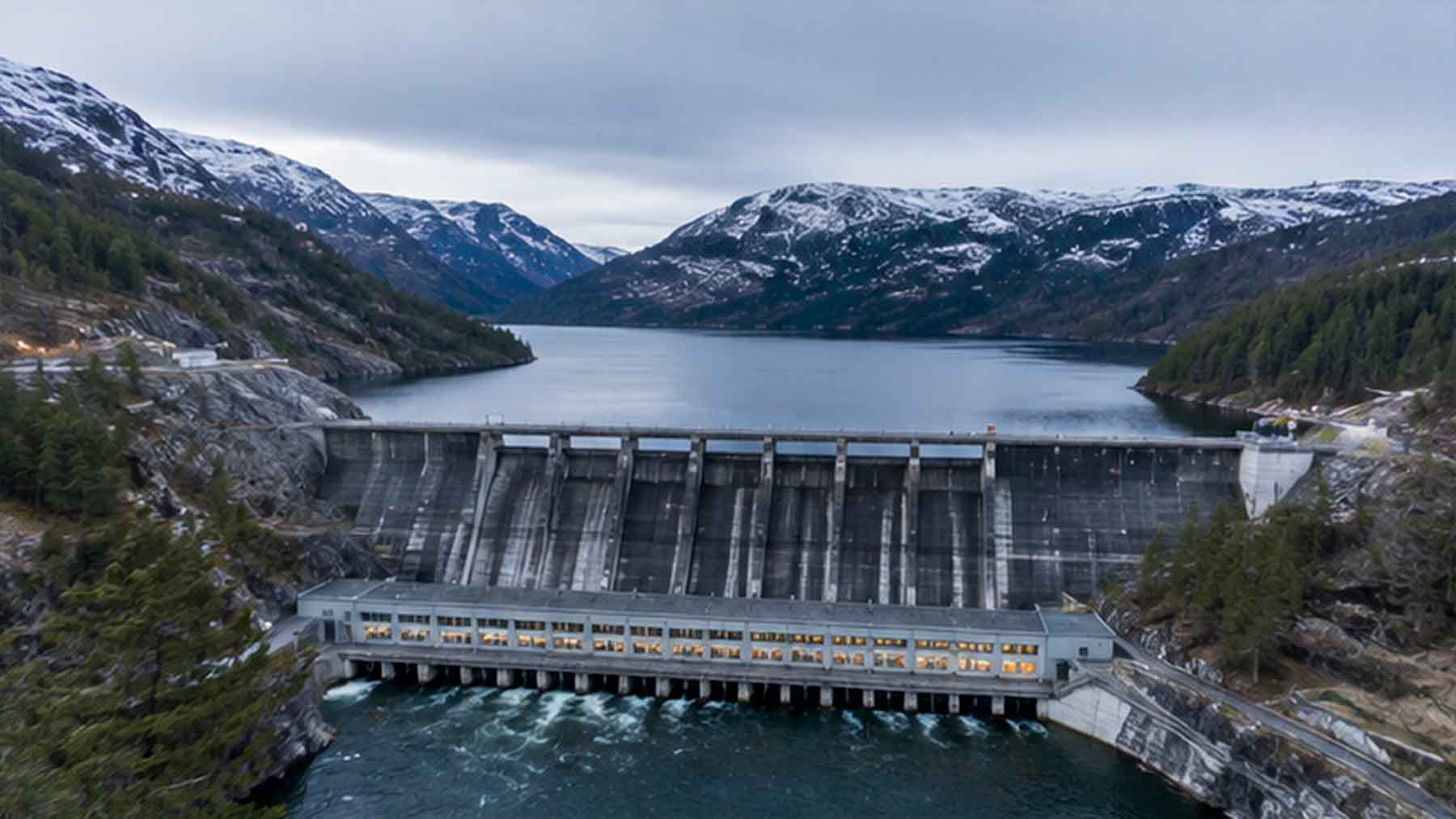 Image generated with artificial intelligence
Nestled deep inside the scenic fjord landscape of western Norway, three connected power stations have quietly served as an industrial workhorse for decades.
The facilities—Målset, Refsdal, and Hove—generate roughly 830 gigawatt-hours of clean electricity every year. That is enough electrical energy to supply nearly 79,000 average American homes continuously.
Yet, the regional power grid looks drastically different today than when these stations were first constructed. As renewable energy sources multiply and network demands grow far more complex, aging control systems are struggling to keep pace.
Operating behind the scenes, the plant’s control systems, electrical infrastructure, and protective equipment were engineered for a completely different era.
Three stations, one aging challenge
Located roughly 105 miles northeast of Bergen, the three facilities share five massive generating units. Together, they form a crucial backbone of northern Europe’s clean energy system, delivering steady renewable power.
The primary challenge at the site is not total energy output; it is aging infrastructure underneath the operation.
Operating behind the scenes, the plant’s control systems, electrical infrastructure, and protective equipment were engineered for a completely different era. Today, intermittent renewable resources like wind and solar flood regional networks, forcing power grids to adapt rapidly.
Keeping a mid-century hydroelectric facility running reliably alongside modern energy systems requires far more than routine maintenance. It demands a complete digital transformation to prepare the hardware for modern electrical demands.
What a modern hydropower upgrade actually looks like
To tackle this challenge, state power company Statkraft partnered with technology leader ABB for a comprehensive system overhaul across all three power stations. The centerpiece of the modernization project is the ABB Ability System 800xA. This unified control platform enables centralized operational and monitoring capabilities across Målset, Refsdal, and Hove simultaneously.
Each of the five generating units will receive a modern Unitrol 8000 excitation system to manage generator magnetic fields with extreme precision.
The scope extends across low- and medium-voltage electrical setups, advanced cybersecurity defenses, digital vibration monitoring, and extensive cabling installation.
Because technicians must seamlessly integrate these modern digital controls with legacy turbine hardware built by different manufacturers, the project presents complex engineering challenges distinct from building a facility from scratch. Piecemeal repairs leave operational gaps, whereas a comprehensive overhaul creates a unified and coherent system.
Why grid stability makes this more than a routine upgrade
Norway generates roughly 90% of its total electricity from hydropower, positioning the nation as a vital green battery for continental Europe. Norwegian hydroelectric plants do not merely meet local domestic demand. They rapidly absorb regional energy surpluses and fill sudden supply gaps when solar and wind power fluctuate across interconnected European markets.
As variable renewables expand across the continent, grid operators require generating assets that react within milliseconds, adhere to strict regulatory grid codes, and maintain voltage stability.
Modern excitation and control technology provides precisely that level of technical responsiveness.
Upgrading aging infrastructure ensures these facilities comply with modern grid requirements, allowing clean power to flow safely across international borders without risking local network failures.
A collaboration model that started before the contract was signed
Beyond the technical scope, the project relies on an innovative collaboration model. Rather than drafting rigid specifications before hiring contractors, Statkraft brought ABB engineers into the design process during the early concept development stages, long before signing a final contract.
This early-stage supplier involvement allowed engineers to identify potential bottlenecks, integrate complex software with legacy hardware, and prevent costly mid-project modifications.
Site construction activities at the Målset facility are scheduled to begin in 2028, with the Refsdal and Hove plants following in 2029. This measured timeline reflects the careful groundwork laid long before a single formal agreement was finalized.
What comes next for aging hydropower infrastructure
As clean energy grids evolve at an unprecedented pace, the European power fleet faces a monumental challenge. Modernizing legacy assets requires striking a delicate balance between continuous power generation and high-tech digital transformation.
How operators and technology suppliers manage this transition will shape the reliability of clean electricity across northern Europe for decades.
Here lies the core reveal of the Vikfalli project: the key to stabilizing tomorrow’s clean grid isn’t constructing costly new dams or expanding physical reservoirs, but transforming aging industrial hardware into an intelligent, digitized power plant.
By combining early-stage collaboration with cutting-edge digital controls, this mid-century fjord complex offers the ultimate blueprint for modernizing renewable energy infrastructure worldwide.

Kelly is an experienced writer with 15 years of experience exploring the big stories that shape our world, from tech breakthroughs and space exploration to climate, energy, and the fascinating quirks of science. She has a talent for turning complex ideas into sharp, memorable insights that stay with readers long after they’ve finished reading.
