
GE Vernova releases analysis of four net zero pathways for Spain’s power grid by 2050
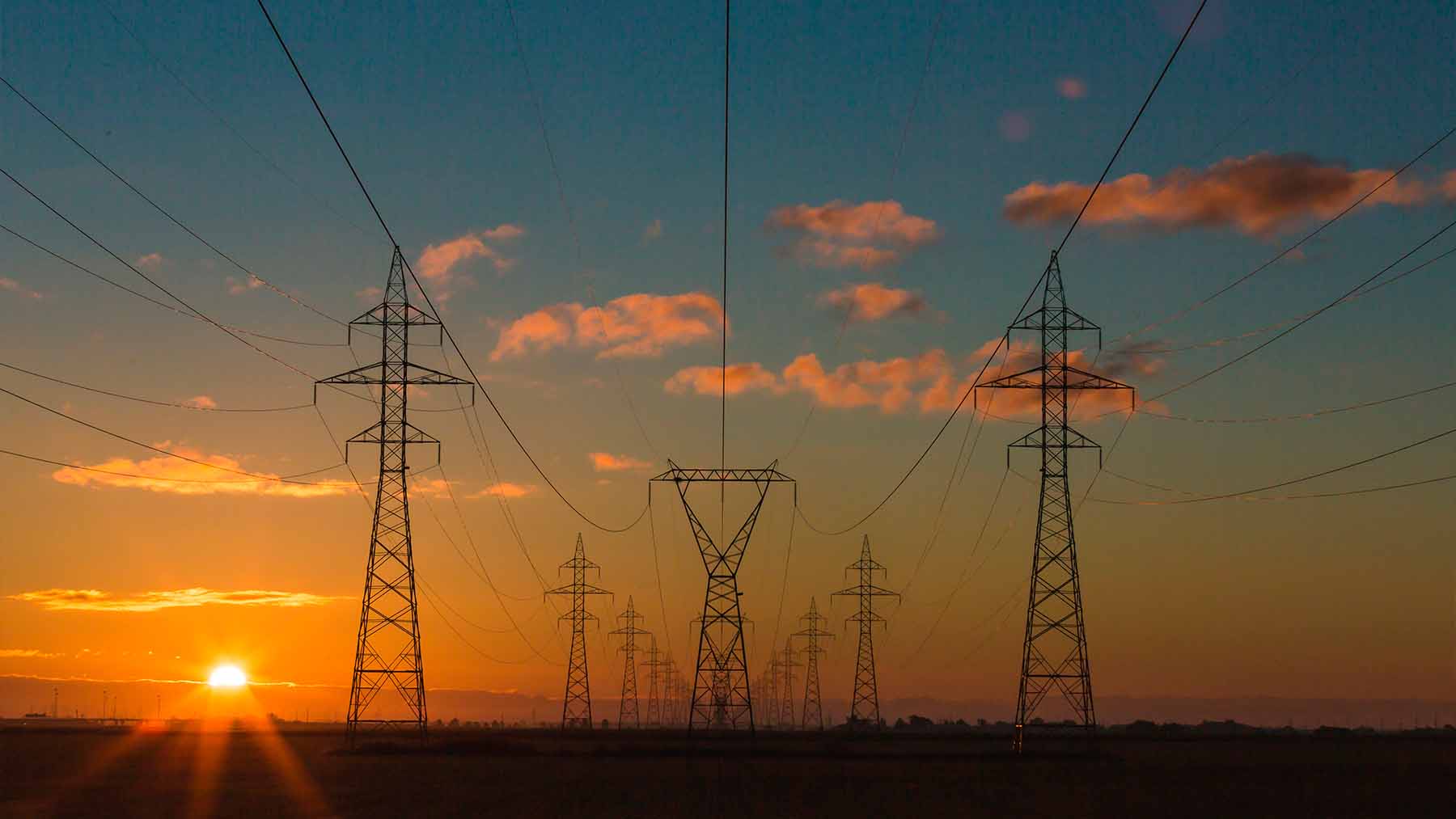
GE Vernova dropped a white paper in Madrid on October 14, 2026, laying out four distinct pathways for Spain to reach a net zero electricity system by 2050. The timing matters. With renewables already covering nearly 57% of Spain’s electricity in 2025, the country’s core challenge has shifted — not building enough clean energy, but keeping the lights on reliably as the grid gets more complex.
GE Vernova publishes Spain net zero power system analysis
The report targets policymakers, system operators, and investors steering Spain’s energy transition. GE Vernova’s Consulting Services business — which focuses on power systems analysis and decarbonization studies — built it around four scenarios: Business-as-Usual, Progressive, Pioneering, and Lower-Carbon.
Each pathway reaches net zero by 2050, but they diverge sharply on cost, infrastructure needs, operational resilience, and execution difficulty. The destination may be fixed. The route you take, though, changes almost everything about what the journey actually costs.
The question is no longer whether Spain can build enough renewable capacity — it’s whether the system can actually run reliably once that capacity is in place.
Spain’s starting position is solid. Renewables supplied nearly 57% of the country’s electricity in 2025, and the national 2030 target pushes that share above 80%. Few European countries have moved this fast or this far.
Why Spain’s energy Transition now faces a reliability challenge
Speed, it turns out, creates its own headaches. As renewable penetration climbs, challenges around grid stability, flexibility, and system coordination become harder to ignore — and harder to manage.
Electricity demand is projected to grow by around 60% by 2050. Electrification across transport, heating, and industry — alongside broader economic expansion — is driving that growth, and it amplifies every pressure already building in the system.
The April 2025 Iberian blackout sharpened the conversation considerably. It pulled renewed attention to reserve margins, system strength, and coordinated grid operation in a high-renewables environment. More than a technical incident, it became a reference point for what happens when system design lags behind deployment ambition.
GE Vernova frames this as the defining shift in Spain’s energy transition. The question is no longer whether Spain can build enough renewable capacity — it’s whether the system can actually run reliably once that capacity is in place.
Key findings: Capacity mix, firm power, and grid infrastructure
The numbers are worth sitting with. Depending on the pathway, wind and solar capacity in Spain could land anywhere between 150 GW and 250 GW by 2050. That’s a wide range, and the gap reflects fundamentally different bets on technology, policy, and market design.
The analysis is equally clear on what renewables alone can’t handle. Even in the most renewable-heavy scenarios, 15–20% of total system capacity still needs to be firm and dispatchable. When wind drops and the sun isn’t out, the grid needs resources it can call on — and that requirement doesn’t disappear just because the system gets greener.
Battery storage, hydrogen, nuclear life extensions, and carbon capture are identified as structural enablers. Not optional extras. They fill the gaps that variable renewables leave open, and no scenario manages without at least some combination of them.
Geography adds another layer. As renewable generation clusters in high-resource areas, long-distance power flows increase, putting growing pressure on transmission infrastructure that wasn’t designed for these load patterns. Without coordinated grid investment, curtailment — wasting energy that’s already been generated — becomes an increasingly costly problem.
Policy and market design requirements identified in the report
Technical solutions only work if the policy environment supports them. Several areas are flagged where Spain’s regulatory and market frameworks will need to catch up.
Permitting is one of the most immediate bottlenecks. Streamlined approval processes for renewable projects are described as a prerequisite for keeping deployment on pace with demand growth — delays in permitting mean delays in capacity, and in a system under pressure, timing matters a lot.
Siting incentives are also recommended. Encouraging developers to locate projects where the grid can actually absorb the output — rather than simply where land is cheapest — could cut curtailment and lower system costs over time. That kind of geographic optimization doesn’t happen organically; it requires deliberate policy design, not just market signals.
On the market side, the report calls for mechanisms that assign real financial value to flexibility services. Storage, demand response, and dispatchable backup capacity all provide system value that current market structures don’t reliably capture or reward. Fixing that misalignment is described as essential to attracting the right investment mix.
Spain’s place in Europe’s energy transition — and what comes next
Spain’s trajectory has made it a reference case for other European markets. Few countries have combined strong renewable resources, ambitious targets, and actual deployment at the scale Spain has managed. That track record gives these findings credibility well beyond Spanish borders.
GE Vernova‘s analysis covers the full arc from today’s system to a net zero 2050 — mapping trade-offs across all four pathways and identifying where the highest-stakes decisions sit. It’s built to give decision-makers a structured framework, not a single prescribed answer.
The full white paper is available through GE Vernova’s website. If you’re tracking Spain’s energy transition — or using it as a model for another market — it’s a detailed, technically grounded look at what getting to net zero actually requires, past the headline targets.
Kelly is an experienced writer with 15 years of experience exploring the big stories that shape our world, from tech breakthroughs and space exploration to climate, energy, and the fascinating quirks of science. She has a talent for turning complex ideas into sharp, memorable insights that stay with readers long after they’ve finished reading.
