
Near Nevada City, two proposed lakes would feed a 750-MW underground power station that pumps water back uphill
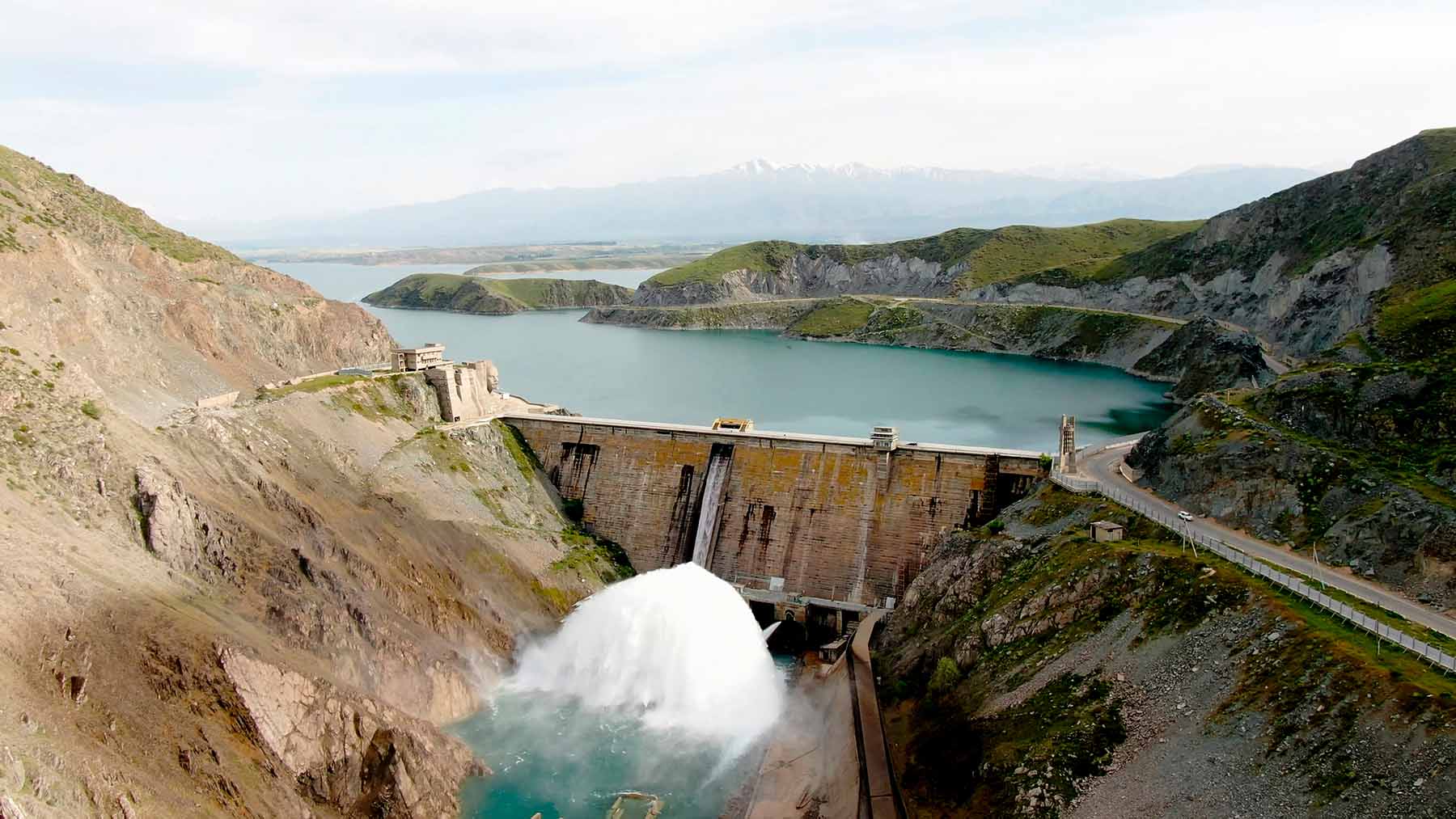
In the pine-forested ridges of the Sierra Nevada foothills east of Nevada City, a San Francisco-based energy firm has filed federal paperwork for something California has rarely seen attempted at this scale: two entirely new lakes, built from scratch on opposite slopes of the Fish Creek drainage basin, connected by a buried shaft to a powerhouse hidden underground.
The project, proposed by RamaFlux Sierra PSH LLC and submitted to federal regulators in April 2026, would generate up to 750 megawatts of electricity — with no river dammed and no existing waterway diverted.
A battery the size of a mountain
Pumped storage hydropower runs on a beautifully simple idea. When the grid has more electricity than it needs — say, on a sunny afternoon when solar panels are overproducing — operators use that surplus to pump water uphill to an elevated reservoir. Hours later, when demand peaks, they release that water back downhill through turbines to generate electricity on cue. The reservoir becomes, in effect, a giant rechargeable battery.
Both reservoirs are purpose-built and self-contained — the system recirculates the same water between them rather than drawing continuously from a flowing waterway.
The technology is decades old, but it’s drawing fresh attention. Unlike lithium-ion batteries, which struggle to store energy economically beyond four hours, pumped storage can hold enormous quantities of power for extended periods — making it especially valuable as California and other states pile more wind and solar onto grids that run on nature’s schedule, not the grid’s.
The pressure to solve this storage problem is real. California has mandated aggressive clean-energy targets, and grid operators need reliable ways to balance supply and demand around the clock.
What RamaFlux Sierra is actually proposing
On April 30, 2026, RamaFlux Sierra PSH, LLC filed a preliminary permit application with the Federal Energy Regulatory Commission (FERC) under Project No. 15429-000. The application proposes to study the feasibility of what it calls the Fish Creek Pumped Storage Project.
The design calls for two entirely new reservoirs. The upper pool would sit at approximately 4,200 feet above sea level, formed by a new embankment. The lower pool would be built at roughly 2,600 feet, also behind a new embankment, on the eastern slope of the Fish Creek drainage basin. Neither would impound an existing river.
Connecting the two reservoirs would be a system of steel-lined penstocks and a concrete-and-steel-lined pressure shaft. Water traveling down that conduit would drive reversible pump-turbine units inside an underground powerhouse built adjacent to the lower reservoir — rated at 750 MW combined. To move that electricity onto the grid, the project would also require a new single-circuit 230-kilovolt transmission line linking the powerhouse to existing 230 kV infrastructure nearby.
Closed-loop: why no river gets dammed
The term “closed-loop” matters. Both reservoirs are purpose-built and self-contained — the system recirculates the same water between them rather than drawing continuously from a flowing waterway. No river is blocked, no fish passage disrupted, no stream flow permanently altered.
That distinction carries real weight in the regulatory arena. Conventional hydroelectric projects that dam rivers face intense scrutiny over impacts to salmon, downstream ecosystems, and water rights. Closed-loop designs sidestep many of those concerns, which can make the permitting path somewhat smoother — though not simple.
It’s worth being precise about what FERC’s preliminary permit actually does. If granted, it gives RamaFlux Sierra priority to file a full license application during the permit term. It doesn’t authorize any ground disturbance, construction, or entry onto private or public land. Anyone who wants to weigh in — or compete — has until 5:00 p.m. Eastern Time on November 30, 2026, to file comments, motions to intervene, or competing applications with FERC.
Nevada County’s energy landscape and what 750 MW means
Seven hundred fifty megawatts is a substantial number. At peak output, that’s enough generating capacity to power hundreds of thousands of California homes during the hours when demand is highest — though actual output depends on how much water the reservoirs hold and how long operators can sustain full discharge.
The Sierra Nevada foothills east of Nevada City offer a natural advantage here: a steep, compact elevation change. The roughly 1,600-foot drop between the upper and lower reservoirs is what drives the physics. More head, as engineers call it, means more energy extracted per gallon of water released. California’s storage mandates are pushing developers to scout exactly these kinds of sites, and the state has set some of the most ambitious clean-energy targets in the country.
Projects of this complexity rarely move quickly. From permit application to commercial operation typically takes a decade or more.
A long road from paper to powerhouse
The Federal Register – Fish Creek preliminary application process unfolds in stages — preliminary permit first, then feasibility study work, then a formal license application, a full environmental review, and if all goes well, a construction authorization. Each step involves public comment, agency coordination, and the possibility of legal challenge.
RamaFlux Sierra has secured nothing yet beyond the right to apply. Before November 30, 2026, other developers could file competing applications for the same site, adding another layer of uncertainty.
Across the American West, developers are racing to file preliminary permits for pumped storage sites, staking claims on promising terrain before the clean-energy buildout accelerates further. Most of those proposals will never reach construction. A few will. Whether the Fish Creek project becomes a working power station or remains a line on a permit application depends on years of studies, reviews, and decisions not yet made. For now, the most important date on the calendar is November 30.
Kelly is an experienced writer with 15 years of experience exploring the big stories that shape our world, from tech breakthroughs and space exploration to climate, energy, and the fascinating quirks of science. She has a talent for turning complex ideas into sharp, memorable insights that stay with readers long after they’ve finished reading.
