
GPS tracking of 117 Wyoming pronghorn found faster spring movements near wind turbines and fewer winter stopovers nearby
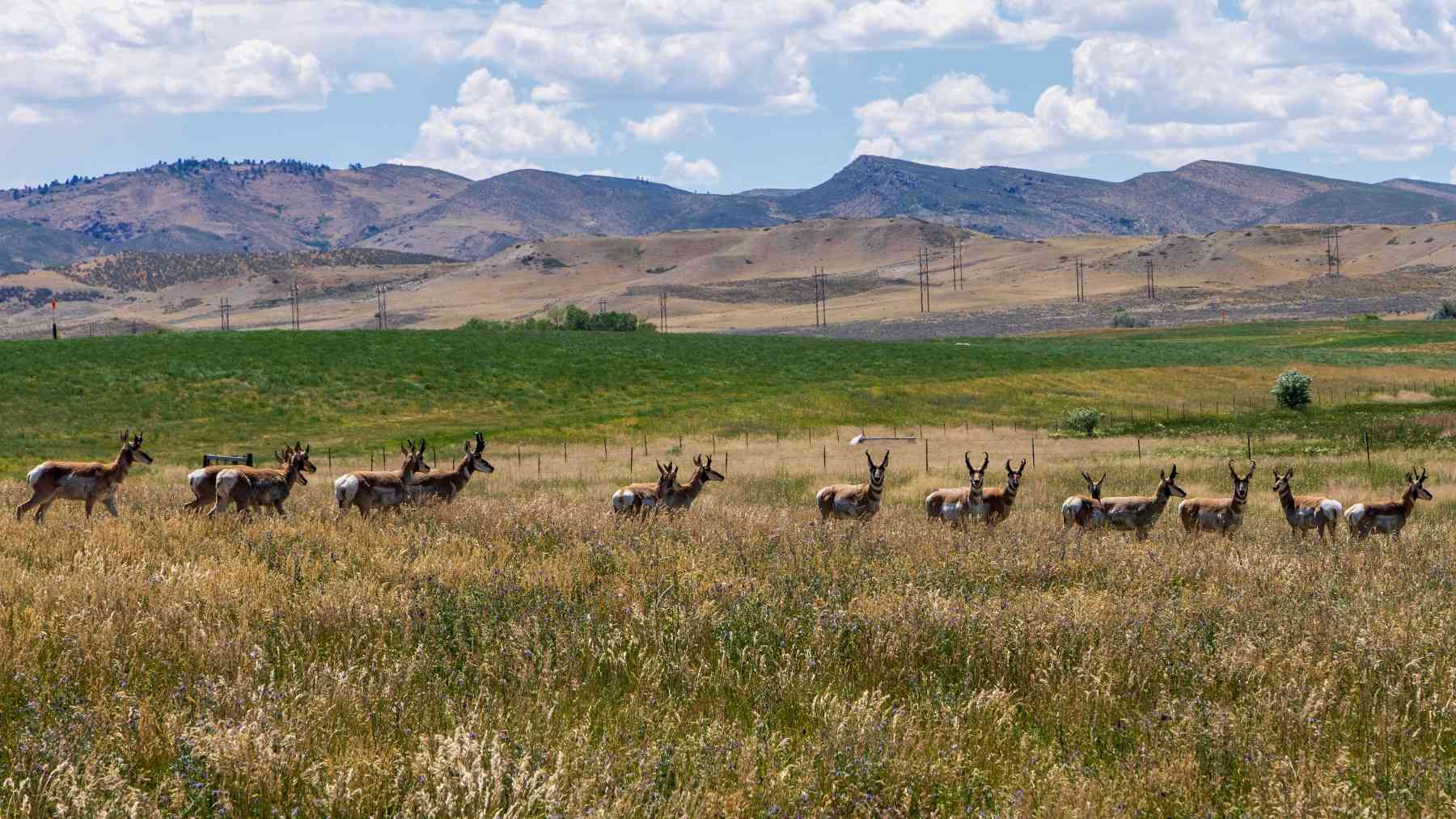
Wyoming’s onshore wind energy is rapidly expanding across the grass plains, raising concerns about potential local wildlife impact.
The state has a large carbon footprint due to a heavy reliance on coal combustion for electricity.
To offset harmful carbon emissions while meeting regional power demand, utility-scale renewable energy generation must scale up.
It currently has approximately 3,700 megawatts of online large-scale wind generating capacity. Around 1,500 turbines are operating across the state.
However, these massive green projects often overlap with historical migration corridors.
Can Wyoming boost its clean power generation capacity without disrupting vital paths?
How legacy coal generation is slowing the statutory clean energy transition
Wyoming has the highest per-capita carbon footprint in the nation.
The state generates roughly 68.55 metric tons of carbon dioxide per person each year.
This high emission intensity is driven by a heavy reliance on coal-fired power generation.
Coal accounts for more than 70% of the state’s total electricity output.
Additionally, the state exports about 12 times more energy than it consumes to neighboring markets like Colorado and California.
Wyoming lacks a mandatory state Renewable Portfolio Standard, but it is indirectly pressured to decarbonize.
This is because major energy-importing states require clean power procurement.
Meeting rising regional electricity demand without increasing emissions requires rapid scaling of renewable generation.
Wind energy is the most viable clean power source, as the state has world-class wind capacity across its high plains.
Accelerating wind deployment will offset fossil fuels, maintain its position as a major domestic energy exporter, and supply growing grids.
When a need for greater wind capacity collides with local community pushback
Wyoming may not be among the nation’s top five wind-producing states, but its portfolio is aggressively expanding.
It currently has approximately 3,700 megawatts of online large-scale wind generating capacity. Around 1,500 turbines are operating across the state.
Roughly eight gigawatts of proposed and under-construction projects aim to more than double the state’s installed capacity.
While this is essential to support regional decarbonization demands, developers face severe pushback from local communities.
Municipal leaders, ranchers, and landowners are expressing growing concerns.
Proposed wind projects can affect property values, restrict land access, have visual impacts, and trigger ecological disruption.
Potential habitat fragmentation within historical game migration corridors especially drives intense opposition.
Local groups argue that expansive wind developments threaten seasonal movements across open sagebrush steppes.
The U.S. Geological Survey (USGS) initiated a comprehensive study in response to these community concerns.
The goal is to gather empirical data by tracking pronghorn behavior near active wind energy facilities in Wyoming.
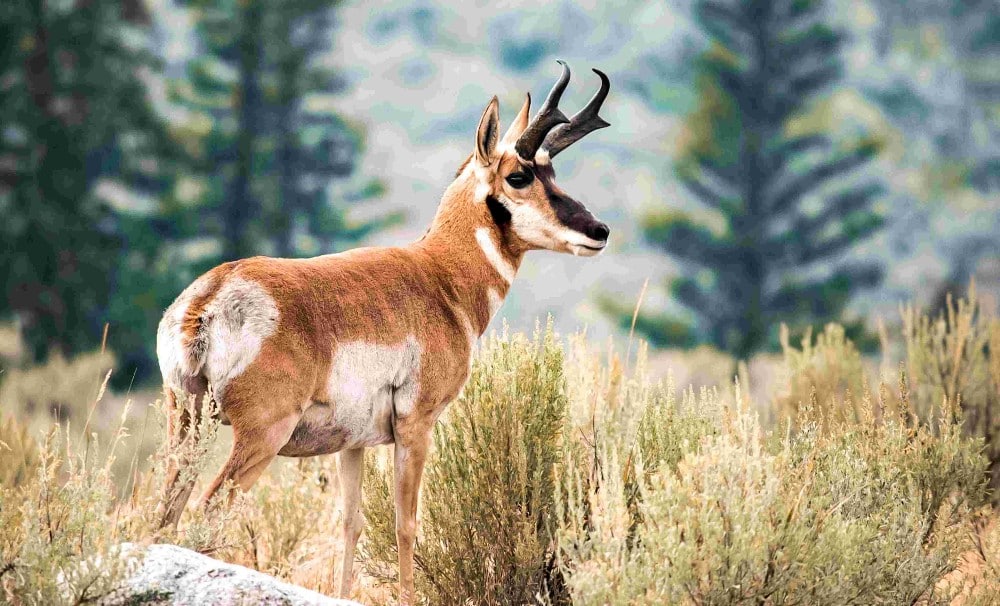
Using GPS tracking to understand pronghorn behavior near turbine sites
Understanding how wind developments interact with native wildlife is vital to Wyoming’s clean energy future.
USGS researchers conducted a landmark study in south-central Wyoming near Medicine Bow.
From 2010 to 2012 and 2018 to 2020, 117 adult pronghorn were tracked using high-resolution GPS collars.
Fine-scale telemetry data near large-scale wind farms were gathered to analyze:
- Travel speeds
- Habitat selection
- Movement patterns
The data were tracked alongside turbine proximities, road networks, fence maps, and environmental variables.
Significantly altered behavior at historical corridors
The pronghorn still navigated traditional corridors, but the turbines changed their behavior.
During spring migration, the animals accelerated their travel speed when passing close to wind infrastructure.
They also exhibited reduced route fidelity and fewer winter stopovers near active wind turbines.
These behavioral changes indicated localized avoidance.
This significantly reduced critical foraging time during winter months.
The USGS study findings validate local community concerns regarding habitat disruption from growing onshore wind projects.
Localized avoidance and altered travel speeds prove that turbine infrastructure intrudes on vital seasonal habitats.
Developers should implement micro-siting adjustments, mandatory corridor buffer zones, and seasonal turbine operational slowdowns.
This will sustain Wyoming’s clean energy capacity while protecting native wildlife.
Ultimately, careful site planning and management are crucial to ensuring green power capacity grows more sustainably.

Anke Maree is a writer with a clear and engaging editorial style. Her work focuses on making complex topics accessible, informative, and relevant for readers across different areas of interest.
