
Duke Energy Florida files plans for four new solar sites totaling 300 MW and $1 billion in projected customer savings
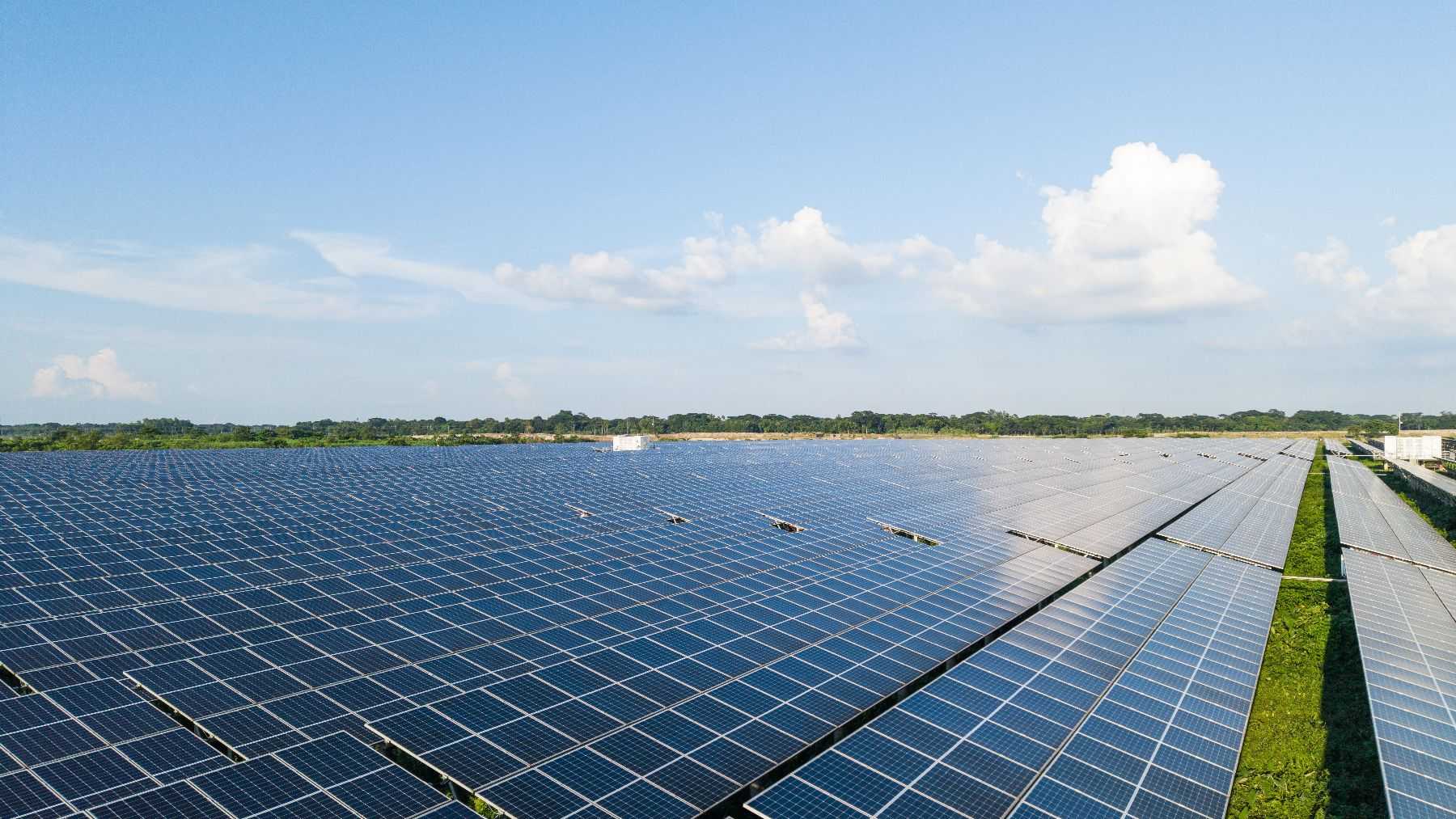
Duke Energy Florida filed plans with the Florida Public Service Commission earlier this week to build four new solar sites across Orange and Sumter counties. All four are targeted for completion by mid-2028. The expansion would add 300 megawatts of capacity to the grid and is projected to deliver around $1 billion in customer savings over the sites’ lifetimes.
Duke Energy Florida files four-site solar expansion with state regulators
The filing is the formal first step toward getting these projects approved and built. Duke submitted plans for four separate solar sites — three in Orange County, one in Sumter County — each designed to run for roughly 30 years. Together, they’d bring 300 MW of new clean generation capacity online, with the last site expected to finish by June 2028.
That $1 billion in customer savings isn’t a lump sum. It accumulates across the combined operational lifetimes of all four sites, driven mainly by avoided fuel costs and federal tax credit transfers.
Each new site is projected to save about $250 million in displaced fuel costs over its roughly 30-year lifetime, with those savings flowing back through lower rates.
Why the company is adding solar capacity now
Florida’s growth is a big part of the equation. The state ranks as the third-fastest-growing in the US, and more residents means more electricity demand — Duke Energy Florida has to keep pace without driving up costs for existing customers.
Solar helps on both fronts. These sites run on sunlight rather than natural gas, oil, or coal, displacing fuel that would otherwise have to be purchased and burned. Each new site is projected to save about $250 million in displaced fuel costs over its roughly 30-year lifetime, with those savings flowing back through lower rates.
Duke Energy Florida already operates 25 solar sites contributing 1,850 MW to the grid. The four new sites extend that portfolio, building on infrastructure and operational experience already in place — not starting from scratch.
Financial and environmental impact for customers
The Inflation Reduction Act adds another layer of financial benefit. Duke Energy Florida transfers approximately $75 million in production tax credits to customers per year, working out to a reduction of at least $2.50 per 1,000 kilowatt-hours on monthly bills. The company says that number will grow as more solar sites come online.
Battery storage factors in here too. Through an accelerated tax strategy tied to its Powerline Battery Energy Storage System in Citrus County, Duke is working to avoid a scheduled base rate increase in 2027 — delivering investment tax credits faster than a standard timeline would allow.
Each solar site avoids roughly 1.1 million cubic feet of natural gas, 12,000 barrels of fuel oil, and 9,000 tons of coal annually. Across four new sites over a 30-year window, those avoided emissions add up considerably.
Construction schedule and site details
The four sites follow a staggered construction timeline, with the first breaking ground in early 2027.
The Nova Renewable Energy Center in Orange County goes first — construction starts in January 2027, with completion targeted for February 2028. The Bull Creek Renewable Energy Center, also in Orange County, follows in March 2027 with an April 2028 completion date.
Two more sites kick off in May 2027. The Hogeye Renewable Energy Center in Sumter County begins that month and is expected to wrap up by May 2028. The Wewahootee Renewable Energy Center, back in Orange County, also starts in May 2027 and is scheduled for completion in June 2028 — the last of the four to come online.
All four timelines are tentative, pending regulatory approval from the Florida Public Service Commission.
Broader context: battery storage and Duke Energy’s grid modernization plan
Solar has one well-known limitation: it only produces power when the sun is shining. Duke Energy Florida is addressing that directly through a major battery storage buildout — over the next 10 years, the company plans to construct over 1 gigawatt of utility-scale battery storage capacity. That storage absorbs excess solar energy during peak production hours and dispatches it later, including after sunset, when demand tends to be highest.
Duke Energy Florida currently serves 2 million customers across a 13,000-square-mile service area, with 12,500 MW of total energy capacity. The new solar filing sits within a broader modernization strategy that parent company Duke Energy is executing across its territories, centered on grid upgrades and more efficient generation resources.
What this means for Duke Energy Florida customers
Four new solar sites are headed toward regulatory review, with construction planned to start as early as January 2027. If approved, they’ll add 300 MW of clean generation, cut significant fossil fuel consumption each year, and contribute to a projected $1 billion in customer savings across their operational lifetimes. Federal tax credits under the Inflation Reduction Act will accelerate some of those savings, trimming monthly bills well before the sites reach the end of their useful lives. For customers in a fast-growing state where electricity demand keeps climbing, that combination of added capacity and cost relief is the core argument Duke Energy Florida is making to regulators.
Kelly is an experienced writer with 15 years of experience exploring the big stories that shape our world, from tech breakthroughs and space exploration to climate, energy, and the fascinating quirks of science. She has a talent for turning complex ideas into sharp, memorable insights that stay with readers long after they’ve finished reading.
