
Sabey locks in 43.5 MW of Texas solar power under 10-year deal covering 130 GWh a year
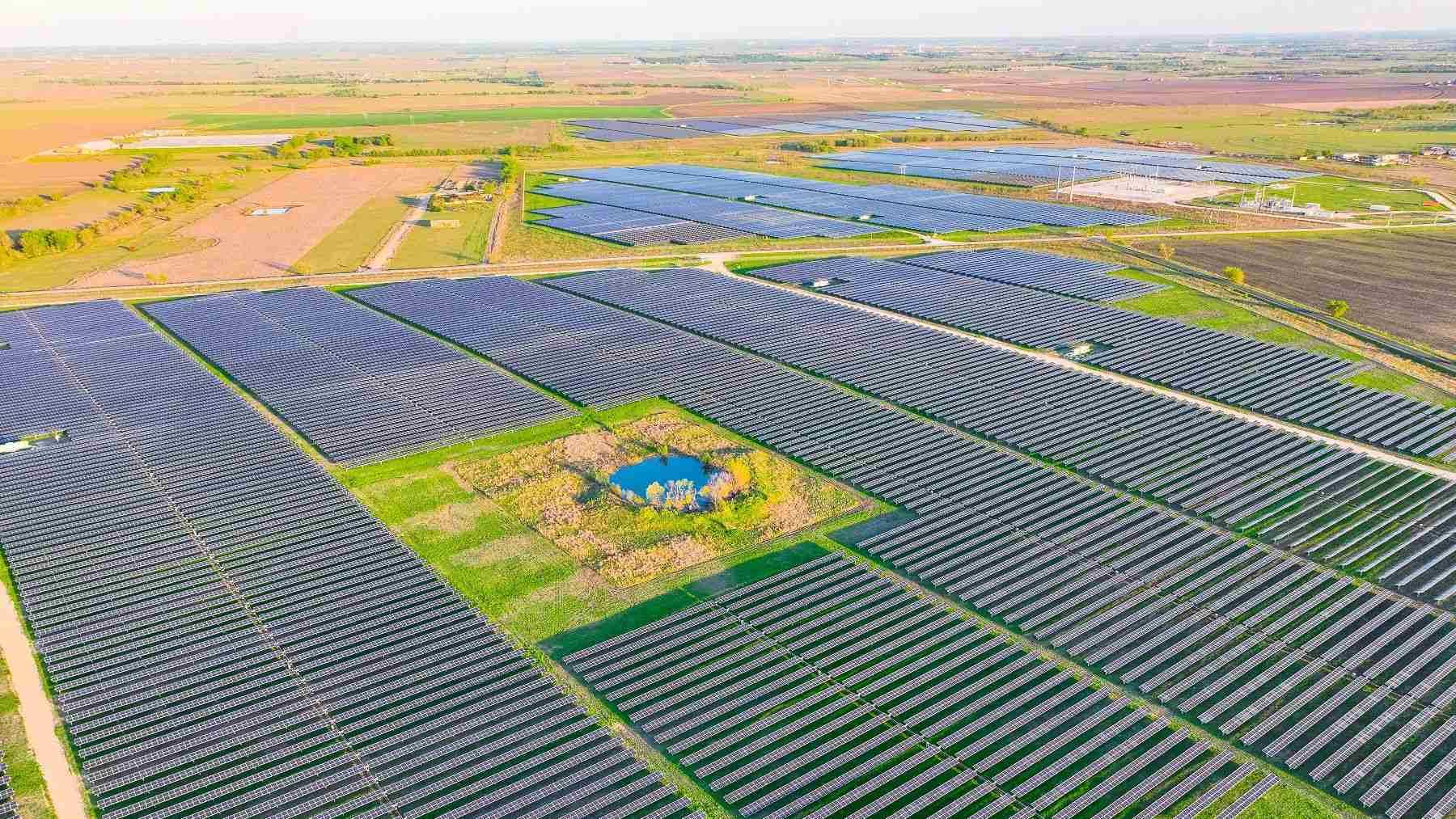
The clean energy transition has caused companies to compare the various types of energy sources and how feasible the execution of certain projects will be before they fully commit to a certain initiative. Because of the long-standing intermittency hurdles in solar, it can often be difficult for solar energy companies to attain the finances that are required for them to execute a project because investors are often hesitant about how reliable solar and wind facilities are as investments. Some companies, however, remain committed to advancing solar development. For instance, Sabey locked in 43.5 MW of Texas solar power under a 10-year deal covering 130 GWh a year.
Delving deeper into the U.S. and Texas’s solar energy landscape as of 2026
The United States continues to place an emphasis on the diversification of its energy portfolio as it aims to possess consistent energy generation everywhere. According to online reports, Texas leads the United States in utility-scale solar generation and storage growth, recently surpassing California.
The state consists of over 55,100 MWdc of installed solar capacity and roughly 33.1 GWh of energy storage capacity. This is positive for the general population that is set to receive consistent energy generation for many more years to come. Solar provides over 12% of the state’s total electricity and covers almost a third of peak demand on the ERCOT grid, hitting a record 35.4 GW peak in July 2026.
This statistic is reflective of the amount of focus that the United States’ government has dedicated to meeting its objectives in the clean energy transition.
This year, there has been a spotlight on the U.S. solar sector, considering that solar power is the fastest-growing source of electricity in the nation, officially surpassing coal generation for the first time in May 2026. This statistic is reflective of the amount of focus that the United States’ government has dedicated to meeting its objectives in the clean energy transition.
Breaking barriers: Sabey locks in 43.5 MW of Texas solar power under 10-year deal
When companies reach lengthy contractual agreements, it is important that they have the mentality of remaining fully committed the entire time instead of looking for a way out midway. A recent press release from Sabey Data Centers announced that the company has signed a 10-year virtual power purchase agreement (VPPA) with the operating Greasewood solar project in Texas.
There has been huge excitement from the general population following an announcement that guarantees them the availability of clean energy for an extended period of time. The agreement reflects 43.5 MW of solar capacity capable of generating an estimated 130 GWh annually, or approximately 1.3 TWh over the 10-year term.
This amount will further solidify Texas’s status as a leading U.S. based solar energy-producing state. VPPA investments are known for having the ability to help renewable energy developers secure long-term financing for projects that contribute renewable electricity to the utility grid, supporting energy availability for residential and commercial customers.
How important is the 10-year agreement for Texas’s solar landscape?
Sabey is in a brilliant position to enhance its solar energy reputation in Texas and continue striving to be among the leaders. The 130 GWh of estimated annual generation covered by Sabey’s agreement is an amount that is equal to the electricity required to power an estimated 12,500 households each year. The electricity that is generated by the Greasewood project flows into the grid, where it can serve homes, businesses, and other utility customers.
Analyzing Sabey’s journey to signing an agreement in Texas’s solar industry
As one would expect, there were a tremendous number of companies that were in the running to become a supplier for the Texas population. The agreement reached by Sabey comes after progress reported by the company in its 2025 Sustainability Report: Scope 1 and Scope 2 emissions fell 29.3% from a 2018 baseline.
Solar energy developers are different from nuclear and hydrogen ones because solar energy companies have to consider the fact that they are not in control of what happens after they have invested in a project, because the availability of sunlight on a consistent basis is not guaranteed.

Prince is a versatile writer focused on energy, automotive, environmental, and general news topics. He makes complex technical and policy issues clear, engaging, and accessible for a broad audience.
