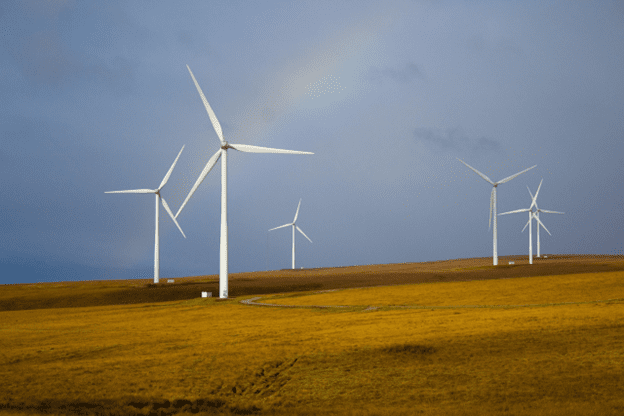
Have you ever wondered what lies behind every wind turbine?
Behind every solar panel mount?
Behind every sustainable energy project?

Metal fabrication, that’s what.
Let’s cut to the chase…
The clean energy sector is booming.
Green energy projects are on the rise. Solar farms are going up all over the place. Wind turbines are springing up faster than ever.
The common denominator behind all of it?
Metal fabrication services related to energy solutions.
Energy fabrication has been on the rise.
Solar installations don’t go up without solar panel framing. Solar racking systems? You need metal fabrication for that, too. Wind farms don’t see the light of day without fabricated metal components. Want to build a hydroelectric dam? Yep, you guessed it, more fabrication.
It’s all critical to the renewable energy revolution. And if you can provide that, whether you do or not…
What you’re going to discover:
- Why Metal Fabrication Matters for Clean Energy
- The Key Components Being Fabricated
- How Quality Fabrication Impacts Project Success
- Finding the Right Fabrication Partner
Why Metal Fabrication Matters for Clean Energy
Okay, we can tell you why metal fabrication is important for clean energy…
…the numbers speak for themselves.
According to a report from The World Resources Institute, over 90% of new electricity capacity added worldwide in 2024 came from renewables like solar, wind, and hydroelectric.
That’s solar panels popping up everywhere. Wind turbines sprouting from fields and coastlines. Hydropower plants deploying steel turbines for generating electricity with massive pressure vessels.
You get the picture.
But what most people don’t realize is…
All of those projects are chock full of fabricated metal components. Steel frames, aluminum housings, pressure vessels, support structures, and more. Every last one of them.
Demand is huge.
The sheet metal fabrication industry reached $356 billion globally in 2024. And it’s projected to grow by 5.8% every year until 2030. Why?
Because you can’t have green energy infrastructure without them. New solar farms need thousands of metal mounting brackets. Wind turbines need towers fabricated from pressure-welded steel sections and nacelle housings. Hydropower plants can’t operate without steel turbines built to handle extreme pressure.
That’s why working with a high-quality Pressure Vessel Manufacturer like LTi Metaltech is so important. To ensure that each of these critical pieces is up to the exacting specifications that sustainable energy infrastructure demands.
Working with high-pressure systems to provide power generation simply can’t allow for a single mistake to be made.
The Key Components Being Fabricated
So, what kinds of things are being built for sustainable energy projects?
Allow us to break it down for you:
- Wind energy
- Solar power
- Hydropower
- Energy storage
Wind energy includes tower sections and nacelle frames, plus all the blade mounting hardware, gearbox housings, and other components that go into building a wind turbine.
Solar power covers panel mounting systems, racking structures, inverter enclosures, and those ground screws that you see holding panels in place.
Hydropower brings in turbine components, penstock pipes, gate structures, and generator housings. And energy storage involves battery enclosures, cooling system housings, and structural frames.
Of course, each of these components has its own specific requirements, whether it’s corrosion resistance for offshore installations, heat tolerance for battery storage, or structural integrity to keep wind turbines standing up through extreme storms.
In fact, did you know…
Over 60% of manufacturers are investing in carbon-neutral production methods. This includes using recycled materials, more energy-efficient equipment, and cleaner production processes in general.
Meaning that the fabrication industry is going green itself, in addition to the components being used to make renewable energy possible.
Cool, right?
How Quality Fabrication Impacts Project Success
Now, for the important stuff.
One shoddy, fabricated piece can ruin an entire energy project. A wind turbine tower buckling under stress. A pressure vessel cracking during normal operating conditions.
The results can be disastrous:
- Project delays costing millions of dollars
- Safety hazards for on-site workers and nearby communities
- Environmental goals get damaged
- Loss of reputation for developers
That’s why selecting the right metal fabrication partner is absolutely critical to any energy project.
Quality fabrication starts with using the correct materials, and then continues through precision cutting, forming, and welding, and finally includes a whole host of inspections and certifications before it’s all wrapped up.
The best metal fabrication partners in the business will have the following traits:
- Material traceability from the original source all the way to the finished product.
- Precision tolerances that are accurate to thousandths of an inch.
- Certified welding procedures for structural components in place.
- Non-destructive testing to verify there are no hidden flaws.
- Documentation for every step that is up to industry standards.
Energy infrastructure projects often have a lifespan of 25 years or more. The metal components need to last just as long, if not longer.
Finding the Right Fabrication Partner
Not every metal fabrication shop can or will take on energy infrastructure work.
Let’s see what to look for:
The fabricator should have both energy sector project experience and the certifications relevant to that industry. Their shop equipment should be up to the task of handling the size and complexity of components used in energy projects.
There are some key questions to ask before choosing a partner:
- What energy projects have they completed before?
- Do they have the proper certifications for pressure vessels, structural components, and more?
- Can they scale up production to meet project timelines?
Red flags to be aware of:
- Lack of experience with energy industry specs.
- Missing quality certifications.
- Inability to provide material documentation.
- Outdated equipment and processes.
The right partner knows that sustainable energy infrastructure is different. The stakes are higher. The specs are tighter. Quality requirements are non-negotiable.
The Future of Energy Fabrication
Demand for metal fabrication in sustainable energy infrastructure isn’t going anywhere.
In fact, it’s only going to increase.
Global grid investment is on track to pass $410 billion in 2025. This number is staggering. But it also represents a tremendous opportunity for fabrication shops that are ready and willing to serve the energy sector.
More renewable capacity means more fabricated components need building. More components means more work for qualified metal fabricators. Simple math.
Key trends that will shape the industry include:
- Automation and robotics improve precision and speed.
- Advanced materials offer better performance.
- Digital tools enable better quality control.
- Sustainable manufacturing practices become standard.
Fabricators who invest in these areas will win the energy infrastructure work. Those that don’t will be left in the dust.
Bringing It All Together
Metal fabrication is the unsung hero behind the renewable energy revolution.
Every wind farm, solar installation, and hydroelectric project out there depends on precision-crafted metal components.
Without quality metal fabrication, none of it would be possible.
Let’s quickly recap the key points:
- Renewable energy growth is driving massive demand for fabricated components
- Quality fabrication directly impacts the success and safety of energy projects
- Selecting the right fabrication partner is critical for energy infrastructure
- The industry is evolving with new tech and sustainable practices
Transitioning to clean energy requires partners who understand what’s at stake. Metal fabrication services for energy solutions isn’t just about cutting and welding metal. It’s about building the infrastructure that powers a sustainable future.
That’s the story we wanted to tell you.
It’s only going to get bigger.
Image source: Pixabay