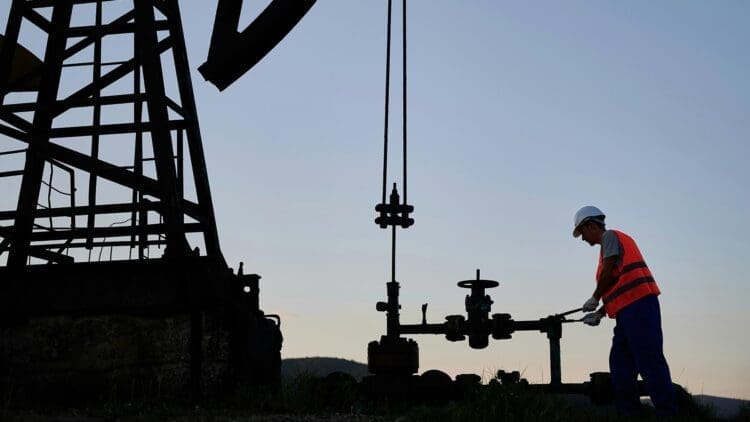

A new reality has emerged this year that will see Africa and South America leading the charge for new crude oil developments, as noted by market data analysts. For the past decade, the United States and the nations in the Middle East have led the world in crude oil production; however, with the chance of oversupply in the global market becoming a real possibility, the world needs more nations to offset mature fields by developing new exploration blocks for crude oil production.
Several new African crude oil projects are set to increase output capacity across the market
Market data has revealed that this year will see drastic growth across the African crude market. Uganda dominates the region’s crude oil potential, with two sizable developments in its Lake Albert basin.
New data states that Uganda is set to contribute upwards of 176,000 b/d of crude to the global market. Although an expected increase in crude production has been revealed, several projects in Uganda face the pushback of environmentalist groups. Market instability and the ongoing geopolitical tension in South America and Ukraine have led to several institutions raising concerns.


“Although several new upstream projects are expected to come online in 2026, the reliability and effective marketability of these incremental volumes remain subject to material, technical and execution risks. These factors increase the probability that nominal capacity additions translate into intermittent or delayed flows rather than sustained, marketable barrels” – Saudi-based independent energy consultant and analyst Abdulaziz al-Muqbil
Uganda is set to see the Tilenga project being developed by Total Energies, adding 149,000 b/d in crude to the domestic and international market, while the CNOOC-operated Kingfisher project in Uganda will add over 27,000 b/d. The combined output from these two projects will plateau production at around 230,000 b/d.
South America sits second on the list of new crude oil developments this year
Guyana is preparing for a surge in crude oil production as well, with the ultra-deepwater Uaru field set to add approximately 136,000 b/d by July of this year, with the expectation that the project could increase crude production to reach 215,000 b/d by 2027.
The Uaru field, which is located in the Stabroek block in Guyana, has the status of one of the largest offshore blocks in the world with an estimated production of around 900,000 b/d.
The Uaru field is operated by American energy major Exxon Mobil, which has noted its plans to assist the nation in increasing crude oil production to become the third largest market in South America, up from its current position of fifth in the rankings.
Exxon Mobil recently noted in a high-stakes meeting with Donald Trump, who brought together US oil companies to discuss potential investments in Venezuela, that the current situation in the nation makes Venezuela “uninvestable”. Much to the dismay of the President.
The reality is that nations such as Uganda, which has reported that the East African Crude Oil Pipeline has reached a milestone completion mark recently, as well as the new developments in Guyana, will dramatically increase crude production across the international market.
Africa and South America are aiming to lead the charge for new crude production in 2026
With 2026 set to experience a drastic uptick in crude production, several African nations are set to open new licensing rounds for oil and gas developments this year. Nigeria and Egypt both have new licensing rounds set to be launched in 2026, marking the expansion of the African crude market. The rapid acceleration of new developments in South America has also left the world with an unquenchable thirst for new crude oil production. Guyana and Uganda top the list for new crude developments in 2026, so be sure to have your investment portfolio open and check the market reaction.