
The United States is never hesitant when it comes to investing capital to provide services for its population. Although some people might be critical of the nation’s continuous desire to collaborate with foreign companies to deliver specific energy initiatives, partnerships are crucial in the contemporary landscape. As such, it is representative of the current energy industry that Air Liquide has committed fresh capital and signed a long-term US supply deal with Eastman Chemical to provide hydrogen.
Breaking down how the Air Liquide and Eastman Chemical partnership materialized
The energy industry enthusiasts were left curious after learning that Air Liquide has made a significant expansion of its US operations, committing fresh capital with the intent of amplifying its hydrogen supply infrastructure on the Gulf Coast. Interestingly, this is not the first time that the corporation has collaborated with Eastman Chemical after carrying out numerous successful projects in the past that influenced the decision-making heading into this initiative. Industrial demand for gas had reached an extremely high level, which is why the two corporations decided to combine and attack the issue before it escalated.
Meeting the demands of the public: A general overview of the hydrogen-generating initiative
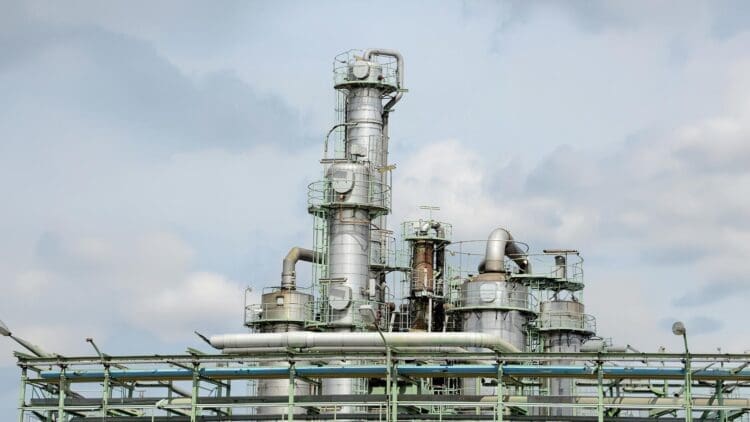
Air Liquide is a French company that was founded in the 1900s, and Eastman Chemical is an American corporation. The two seem like an unlikely partnership, but not when it comes to generating energy. The French company expressed its desire to invest about US$50 million to enhance the hydrogen pipelines and distribution facilities that support long-term hydrogen supply in the US Gulf Coast. The approach of improving already existing facilities instead of simply developing new ones is one that allows the parties involved to scale operations whilst remaining flexible and reliable for its industrial partners. One interesting aspect of the upcoming development is that once the upgrades have been made, the network will remain connected to the world’s most enormous hydrogen storage cavern in Spindletop, Texas. This is an advantage for the development because it can still serve heavy-industry customers in the region.

Analyzing how Air Liquide is set to benefit from the long-term US supply deal
When people learn that Air Liquide committed a massive amount of money to the development, they might criticize it because it seems like there is nothing to gain for the company. However, the French corporation will have the opportunity to grow its name value and reputation, which in turn will attract other countries to consider approaching it in their large-scale hydrogen initiatives.
A member of Air Liquide’s Group Executive Committee stated that:
“Our investment in the US Gulf Coast, driven by these new long-term hydrogen agreements with key market leaders, underscores Air Liquide’s commitment to supporting the evolving industrial landscape in America and strengthening its leadership. This strategic move reinforces our significant footprint in this dynamic industrial basin and reflects our broader strategy to optimize hydrogen production and supply, leveraging our existing infrastructure.”
Delving deeper into the specific details of how the hydrogen will be supplied
What ought not be ignored about Eastman Chemical and Air Liquide’s relationship is that the French corporation has previously committed over US$160 million to enhance the assets that helped improve Eastman’s Longview, Texas, facility. Thus, the French giant will be looking to adopt familiar strategies in this particular development after having a rough idea from previous projects of what is effective.
There is a trend of intercountry partnerships in the energy industry, which has, for the most part, led to positive results. In the case of Air Liquide, its upgrades are part of its ADVANCE plan that aims to amalgamate performance and energy sustainability. The involvement of two companies will be essential to assisting both parties in managing costs as well as the risks in the upcoming US Gulf Coast development.