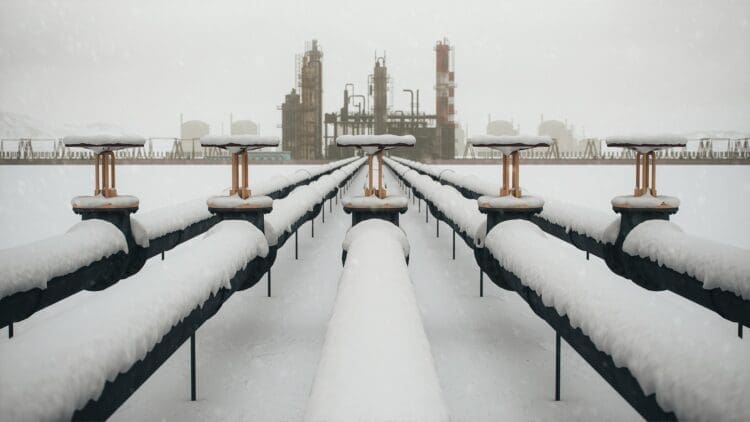

There can be no doubt that Alaska is one of the most beautiful places anywhere on our planet. The state’s astonishing natural beauty has brought millions of tourists to the region over the years. Developing energy projects in Alaska comes with the expectation of significant backlash from environmental groups and locals alike. Despite that reality, the Alaska Gasline Development Corporation is moving ahead with the newest gas pipeline development in the state, which naturally has been met by pushback from several institutions.
To drill or not to drill, that is the question for the Alaska Gasline Development Corporation
This particular project has been through quite a tough time, as it initially began as a joint venture between some of the largest energy companies in the world, such as Exxon Mobil, BP Alaska, ConocoPhillips, and the state-owned Alaska Gasline Development Corporation. However, by 2016, the other energy firms pulled out of the project, leaving the AGDC as the remaining stakeholder.
The project was seen as far too expensive for the litany of energy companies originally interested in developing it. Initial expectations were for the project to cost approximately $65 billion, and it was seen as a necessity due to the fact that the state’s revenues from crude oil production had slumped. The project, if completed, will become the world’s largest natural gas development.


Alaska’s LNG output capacity ambitions have become as clear as day
The proposed project calls for the Prudhoe Bay and Point Thomson fields in the Northern Slope to act as the anchor of the pipeline, which will then transport the natural energy resource to the Kenai Peninsula, feeding the state’s ambitions to supply the international market with natural gas produced in one of the most remote regions of the world.
The inevitable pushback from environmentalists has emerged
It comes as no surprise that the federal government has approved the proposed plan to increase gas production in Alaska, mostly driven by the current administration’s directive issued to energy companies to increase the output capacity of gas and LNG. The project will consist of several key components, such as:
- A gas treatment plant at Prudhoe Bay
- An astonishing 800-mile, 42-inch-diameter pipeline with up to five offtakes for in-state usage
- 32-inch-diameter transmission line from Point Thomson
- natural gas liquefaction plant in Nikiski, which will process the LNG for sale in the international market
The processing plant in Nikiski will be the largest component of the project, which is designed to transport anywhere between 3 billion to 3.5 billion cubic feet of natural gas per day. The new liquefaction plant will produce approximately 20 million metric tons a year of LNG. The US has seen the gas sector growing as new pipelines are built in several of the nation’s basins.
The Center for Biological Diversity and the Sierra Club have the strongest opposition, noting that the project puts Alaska’s incredible natural beauty at risk.
“The Sierra Club and Center for Biological Diversity are asking the D.C. Circuit Court of Appeals to direct DOE to reconsider its export approval after preparing a new environmental impact statement that fully considers the environmental and climate harms of the project.” – The Center for Biological Diversity and the Sierra Club
The project is seen as a top priority for the state of Alaska
State officials have noted the significant importance of the new gas project, noting the strategic importance of supplying the international gas and LNG market to meet a surge in demand over the coming years. Several politicians have noted that the project has been extensively studied to determine its viability and ensure the project meets the stringent environmental requirements. With the current surge in new pipelines in the US, the project will play a vital role in advancing the standing of the US gas market.