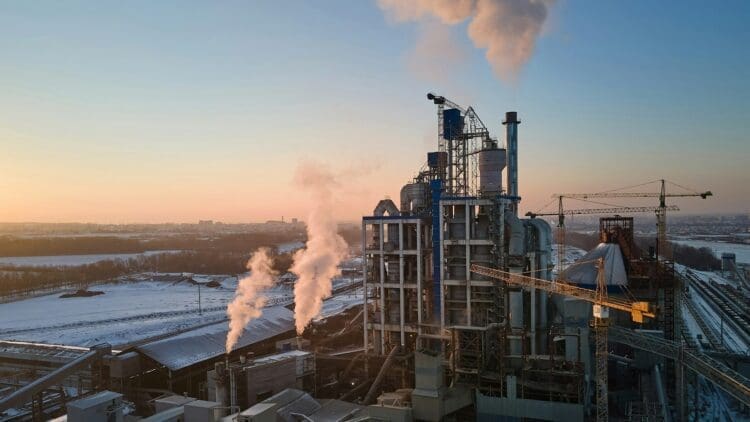

The North African nation of Algeria has become the latest country to express its ambitions to increase petrochemical production. Algeria is not a nation known for its energy sector; however, the government has announced a $7 billion plan to scale up refining and petrochemical capacity from next year onwards. Algeria is planning to accelerate the already established plan to transform the nation from exporting hydrocarbons to producing industry-leading quality petrochemicals for the domestic and international markets.
Algeria’s economic transformation has been picking up steam in recent months
The nation has outlined plans to revive the economy following years of stagnation in developing a welcoming environment for investors. By developing a new petrochemical production plan that will cost an estimated $7 billion, Algeria can gain access to several lucrative markets where demand for high-quality petrochemical products has increased in recent years.
The government has been fostering investments that form part of a broader initiative to diversify the nation’s energy assets to meet increased demand across the international energy sector. The new $7 billion plan is designed to capture greater wealth generation opportunities in a nation that relies heavily on the industrial sector.

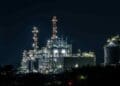
Algeria’s Energy Minister has outlined the expansion plans for his nation recently
Only a few weeks ago, Algeria’s Energy Minister, Mohamed Arkab, detailed the expansion plans of the government, which include a new 5-metric MMtpy refinery in Hassi Messaoud, set for commissioning in 2027. Additionally, Algeria is planning a naphtha cracking unit in Arzew, which, once operational, will produce up to 1.2 MMtpy of gasoline, also expected to launch in 2027.
Several key petrochemical facilities have been revealed as part of the $7 billion investment
As part of the government’s broader plan to transform the Algerian economy via the industrial sector are several new petrochemical facilities. Algeria is developing a set of three new projects that will strengthen the nation’s chemical products output, including but not limited to:
- An Alkylbenzene Production Plant: This project represents a landmark achievement for Algeria, and with a 100,000-tonne annual capacity, will serve the domestic detergent sector, with the surplus being made available for exports to international markets.
- A LPG and Condensate Facility: The investment plan calls for a new gas facility to handle upwards of 1,000 tonnes of LPG and 300 tonnes of condensate every single day of operations, thereby reducing reliance on imports and strengthening local supply chains.
- A Polypropylene Megaplant: This project will cost approximately $1.5 billion, which will convert propane into roughly 550,000 tonnes of polypropylene every year. This will be earmarked for the textiles, packaging, and automotive industries.
The new investment framework forms part of a broader 10-year plan by the government to transform the nation from an importer to a major player in the petrochemical production sector. Other nations have expressed similar ambitions, such as India, with its announcement of the Nagrajuna refinery revival being developed by Haldia Petrochemicals. Petrochemical production has become the latest trend to sweep across the international market, with several energy-rich nations turning to the sector in recent months and years.
Algeria is aiming to become a regional hub for petrochemical production
Africa has long been overshadowed by other energy-rich parts of the world; however, the only thing we can count on in this world is change. The international energy market is set to shift towards the African continent as more and more nations express their expansion plans for the downstream and petrochemical sectors. Africa will eventually become home to one of the largest refineries in the world once the Dangote Refinery in Nigeria finally starts operations. The future of the energy market is undoubtedly going to be led by Africa, which could only benefit the region.