
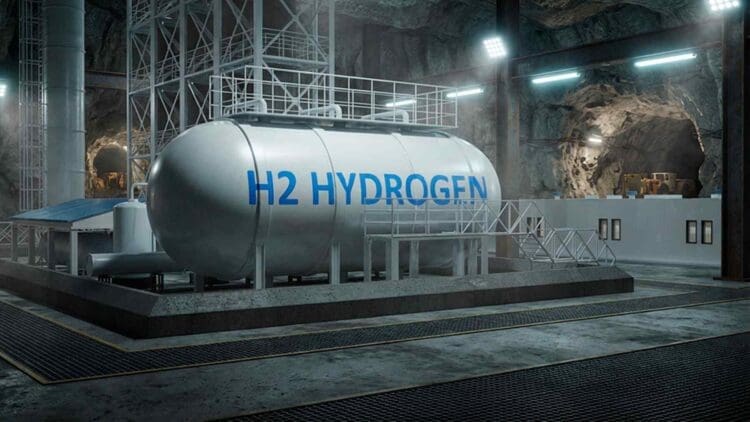

Hydrogen is one of the energy sources that is on an upward trajectory when it comes to demand and consumption. This explains why many companies and countries are positioning themselves to be ready for when they have to deliver hydrogen to their populations. In alignment with this, Baker Hughes and Vallourec formalized a partnership to advance Delphy-based underground hydrogen storage.
Unpacking the growing significance of hydrogen in the modern energy landscape
Ever since experts uncovered just how versatile hydrogen is, many companies have invested massive amounts of money in order to reap the benefits from the energy source. The energy industry contains companies that are reliant on the risks taken by other companies before following the same blueprint to deliver their own projects.
Baker Hughes is a co-headquartered company with ties in Houston, Texas, and London. It operates in over 120 countries, showing its massive pedigree as a powerhouse in the industry. On the other hand, Vallourec is headquartered in Meudon, France.



For people who have been following the energy industry for a long time, they will be aware that this is not the first time these two firms have collaborated. The two companies have joint project locations in Oklahoma City, USA, on the Wells2Waats geothermal consortium, and in Singapore.
As such, it was not a huge surprise when news broke that the two have signed a strategic Memorandum of Understanding (MOU) to deepen cooperation on underground hydrogen storage using Vallourec’s Delphy solution.
Vallourec and Baker Hughes collaborate: Understanding the significance of partnerships
Companies are increasingly partnering with the intention of executing groundbreaking developments. This is a strategy that has worked well since the beginning of time because it helps companies to share the risks and costs associated with a project.
The agreement between Baker Hughes and Vallourec was announced on February 17, 2026. After the companies’ previous joint projects, they needed to clarify what the purpose of this particular one was and how it differed from the rest.
The primary aim of the initiative is to combine Vallourec’s storage technology with Baker Hughes’ compression knowledge to support decarbonization across industrial hydrogen markets.
Delving deeper into how the collaboration aims to transform hydrogen generation
One unmissable fact about this specific partnership is that the two firms complement each other perfectly, which is often a recipe for success. One of the core elements of the collaboration is Vallourec’s Delphy underground hydrogen storage system with Baker Hughes’ compression technology. The Delphy system is capable of storing up to 100 tons of compressed green hydrogen gas vertically underground.
The combination of the two is a crucial step before hydrogen enters storage. The final target is to reduce the total cost of ownership for customers while increasing competition in key markets such as green ammonia and sustainable fuels.
Looking ahead: How can other companies take advantage of the partnership
In speaking with the media, Philippe Guillemot, who is the Chairman of the Board of Directors and Chief Executive Officer of Vallourec, commented:
“We are proud to initiate this collaboration with Baker Hughes, a recognized leader in compression technology. Our capabilities are highly complementary, particularly as Baker Hughes holds strong expertise in compression.”
The collaboration is one specifically designed for industrial hydrogen users and upcoming sectors that need clean power solutions, such as data centers. Before the collaboration, Delphy was already gaining widespread recognition.
It is a storage system commended for its innovative or forward-thinking design and suitability for commercial use. This all culminated in the system becoming an Innovation Award winner at Hyvolution 2026, a hydrogen ecosystem event in Paris.
There is no stopping hydrogen initiatives from taking over in 2026, with many countries involved. Nonetheless, for now, China remains the leading nation in production, but there is no doubt that all countries are playing their part.


