
Philippines Department of Energy welcomes new 25-kiloton LPG import terminal in Batangas City
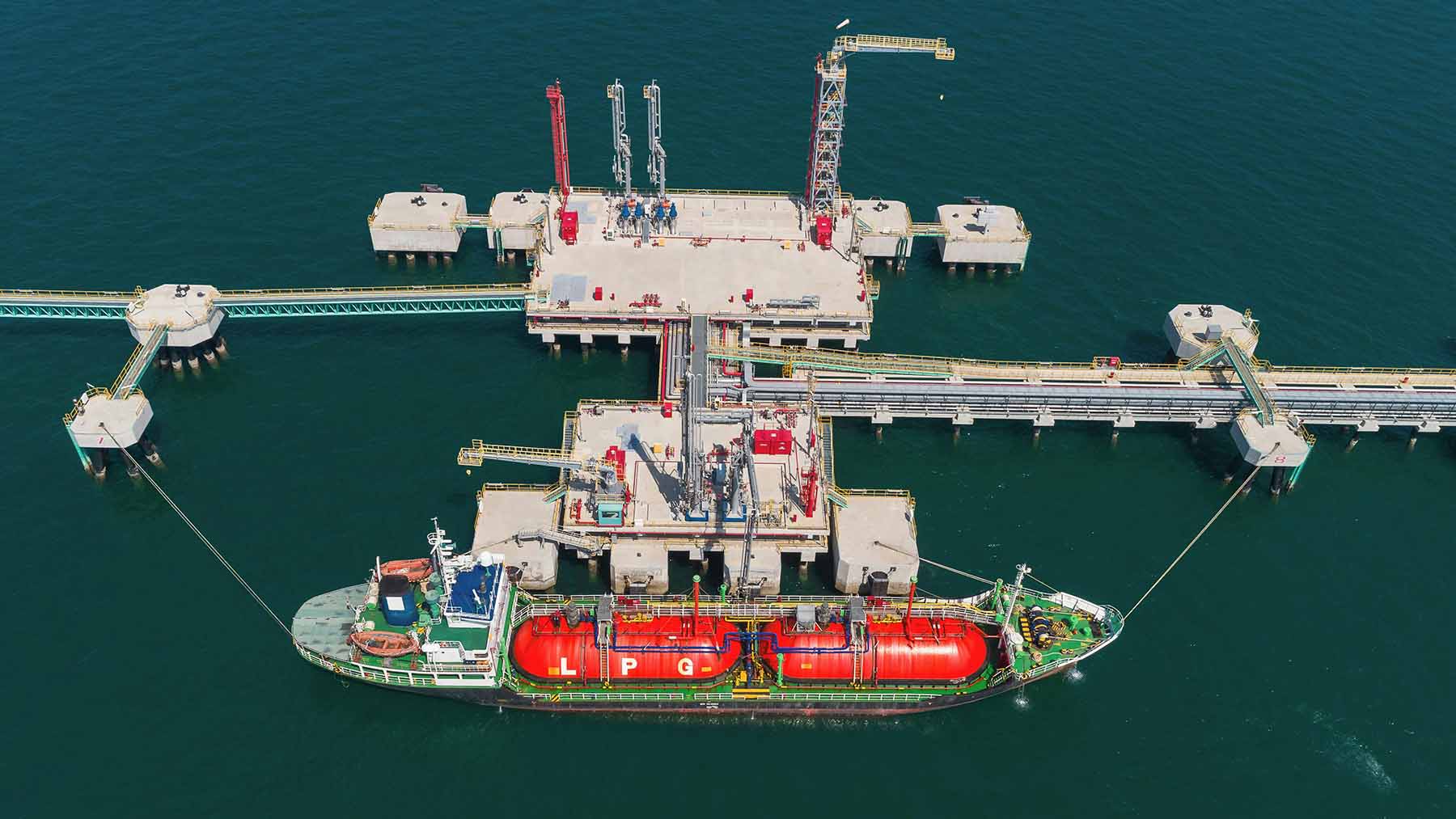
On August 20, 2026, the Philippines’ Department of Energy formally welcomed the opening of a new LPG import terminal in Barangay Libjo, Batangas City—a facility built by Isla Import Terminals Inc. with 27,558 U.S. tons of storage capacity for propane, butane, and mixed LPG. Energy Secretary Sharon Garin attended the inauguration, marking what officials described as a significant addition to the country’s national LPG supply chain.
New terminal opens in Batangas City
This isn’t just another fuel depot. It’s a large-scale import facility built to handle shipments from very large gas carriers—the biggest class of gas tankers in international trade—plus pressurized LPG vessels. That combination lets the terminal receive bulk propane and butane directly from overseas suppliers, store them at volume, and feed that supply into the broader distribution network.
The 27,558 U.S. ton-capacity covers propane, butane, and mixed LPG. That range matters because different end users rely on different blends. Households, commercial kitchens, and industrial operators each have specific requirements. Having all of them available at a single large-scale facility simplifies logistics considerably and cuts the risk of localized shortages for any one product type.
Once LPG is received and stored at the Batangas terminal, it moves outward through two channels: trucks on land and inter-island pressurized LPG vessels by sea.
Energy Secretary Sharon Garin was present for the inauguration. Her attendance signals the DOE sees this as more than routine infrastructure—it’s a meaningful step in a longer push to shore up the country’s energy supply chain.
Why the terminal was built: Supply chain gaps and energy security goals
The Philippines faces a geographic challenge most countries don’t. As an archipelago of more than 7,000 islands, moving fuel efficiently from one point to another is structurally harder here than in any landlocked or continental nation. A large import terminal in one location doesn’t automatically solve distribution—but it creates a reliable starting point.
Before this facility, Batangas lacked a large-scale LPG import and storage hub capable of receiving cargo from major international gas carriers. That gap left a weak link at the import stage, making it harder to buffer against sudden swings in supply or demand.
Garin addressed this directly. “For an archipelagic country like the Philippines,” she said, “energy security depends both on having adequate supply, and on having the infrastructure to receive, store and move that supply efficiently across the country.”
The geopolitical dimension is part of the picture too. International fuel markets are sensitive to disruptions—shipping route closures, political instability in exporting regions, sudden shifts in global demand. Garin acknowledged that “events beyond our borders can affect the availability, movement and cost of energy products.” Infrastructure that can absorb those shocks, she argued, matters just as much as the fuel supply itself.
How the facility will affect LPG distribution nationwide
Once LPG is received and stored at the Batangas terminal, it moves outward through two channels: trucks on land and inter-island pressurized LPG vessels by sea. That dual-mode system fits the Philippines’ geography well, letting fuel reach both nearby provinces and more distant island communities without relying on a single transport method.
Batangas City’s location is strategically smart. A major port hub south of Metro Manila, it has existing maritime connections to Visayas and Mindanao—which means fuel can flow quickly to multiple regions without long overland hauls from somewhere far less accessible.
Garin put it plainly: “The additional import and storage capacity here in Batangas strengthens a critical link in the country’s LPG supply chain.” For households that cook with LPG and businesses that run on it, a more resilient supply chain means fewer disruptions and more stable pricing. The terminal also adds buffer capacity to the national system—when import volumes are high or demand spikes seasonally, that storage prevents bottlenecks from rippling straight through to consumers.
Broader LPG infrastructure investments and safety requirements
The Batangas inauguration wasn’t the only one that day. Garin also opened Isla LPG Corp.’s Leganes Plant in Iloilo, in Western Visayas—and the distinction between the two facilities is worth understanding.
The Batangas terminal handles the upstream end: receiving large international shipments and storing them at scale. The Leganes Plant focuses on the downstream end, covering regional storage, cylinder filling, and last-mile distribution to local markets in Western Visayas. Between them, they tackle different bottlenecks in different parts of the country.
Garin used both inaugurations to drive home a consistent message: infrastructure investment has to come with strict safety standards. She stressed that safety, engineering compliance, and regulatory adherence are nonnegotiable across the entire LPG value chain—from import terminals to cylinder-filling plants to delivery trucks. In a sector where safety failures can have serious consequences for workers and nearby communities, that emphasis is anything but routine.
A broader push to strengthen LPG infrastructure
The new LPG import terminal in Barangay Libjo, Batangas City adds 27,558 U.S. tons of storage capacity for propane, butane, and mixed LPG to the Philippines’ national supply chain. Built by Isla Import Terminals Inc. and formally welcomed by the DOE on August 20, 2026, it’s designed to receive cargo from Very Large Gas Carriers and distribute fuel nationwide by truck and inter-island vessel. Paired with the Leganes Plant inauguration in Iloilo, the day’s events reflect a broader push to strengthen LPG infrastructure at multiple points in the supply chain—with energy security and safety compliance as the stated priorities.
Kelly is an experienced writer with 15 years of experience exploring the big stories that shape our world, from tech breakthroughs and space exploration to climate, energy, and the fascinating quirks of science. She has a talent for turning complex ideas into sharp, memorable insights that stay with readers long after they’ve finished reading.
