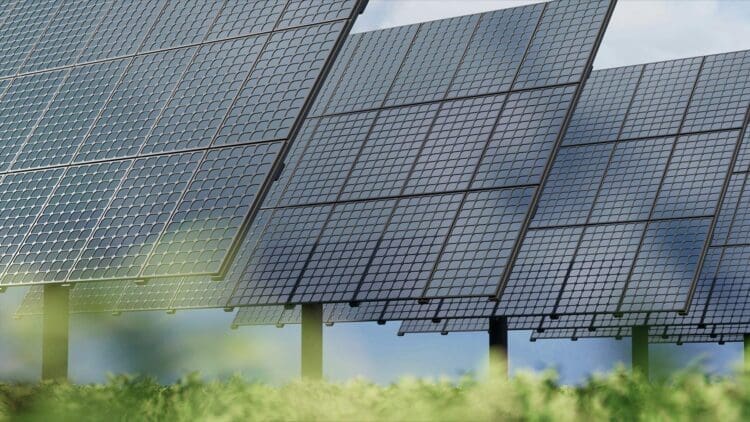

As the world continues to progress technologically, all industries feel the effects as they are heavily influenced by innovation. Technology allows people to achieve groundbreaking projects that would have otherwise seemed impossible. Thus, it is not overly surprising that Bhutan decided to open an international tender for the development of a 120 MW utility-scale solar power project. Asian countries typically support energy initiatives, and once again, government support has allowed Bhutan to pursue a long-term strategy to diversify its energy sources.
Introducing Bhutan in Asia to the rest of the world
Although Bhutan has existed for thousands of years, it remains relatively unknown in the grand scheme of things. The Asian based country has intentionally avoided widespread recognition by limiting tourism with high daily fees and strict regulations. The Kingdom of Bhutan is a landlocked country that is renowned for its beautiful mountain scenery and carbon-negative status. The purpose behind the rules is to protect its Buddhist culture and remain isolated from the rest of the world.
Entering the conversation: Bhutan’s silent and strategic ploy to expand solar generation
Although Bhutan remains silent and hiding in the shadows for the most part, the same cannot be said about its monstrous plans. The Asian country’s state-owned Druk Green Power Corporation Limited (DGPC) recently opened a tender to develop the Wobthang Solar Farm, which is a 120 MW solar PV facility. There is a lot of responsibility that comes with executing the plans of a particular tender, so Bhutan will be hoping choose the most appropriate candidate. Among the obligations for the prospective developer is to spearhead the entire project when it comes to designing, supplying, installing, and testing.


Some people who are not aware of the energy projects pursued by Asian countries might question why a country would require such a large amount of solar energy. The Druk Green Power Project is part of Bhutan’s Solar Farm Expansion Project, which is aiming to install 310 MW of utility-scale solar capacity in the country.
Understanding the biggest reason for Bhutan’s 120MW utility-scale solar project
Another common trend following the announcement of Bhutan’s solar power project was the general public questioning the necessity of solar when the country is already rich in hydropower sources. Bhutan has a variety of hydropower sources, such as the fast-flowing Himalayan rivers, Chukha, Tala, Kurichhu, and Basochu, that all contribute towards its approximate 30,000-40,000 MW of electricity.
Interestingly, the solar power project is not meant to replace the hydropower sources, but rather, its intent is to complement them when it comes to supplying energy for the population. Its solar energy endeavours are progressively amplifying, for instance, there is the Sephu solar PV plant and a 500 MW solar power centre.
Unpacking the benefits of Bhutan’s upcoming solar power project
The most apparent benefit of the project is that it is a perfect alternative to the hydropower energy sources, which tend to slow down during the dry seasons, as water flow will be insufficient. The solar power will increase Bhutan’s reliability and versatility in energy generation, safeguarding the livelihood of its citizens. With large-scale solar power and hydropower projects, Bhutan is set to double up on renewable energy, which ultimately contributes towards a cleaner environment. There are many other groundbreaking projects contributing toward a clean environment.
Bhutan is the perfect example that even without deeply rooted affiliations with other countries, a nation is still capable of developing large-scale energy projects. The 120 MW utility-scale solar farm is a significant moment for the country as it is set to play a major part in the green energy revolution. Whether Bhutan intends to or not, it has put itself in a position to become a pioneer when it comes to providing a blueprint for combining hydropower and solar energy projects.