

Oil and gas lease auctions in Alaska rarely attract much public attention until the actual bidding is concluded, at which point acreage numbers are released. But by that point, many of the most critical decisions about how leasing will take place have been predetermined during the earlier phases of planning, policy-making, and rule-making.
A long-awaited lease sale moves into its execution phase
The oil and gas lease auction that took place on March 9, 2026, in Alaska’s National Petroleum Reserve represents the visible end of a far longer process that has evolved quietly over several years.
On March 9, 2026, the Bureau of Land Management (BLM) conducted an oil and gas lease auction that covered millions of acres of land within the National Petroleum Reserve in Alaska (NPR-A). This was the first lease sale held in the reserve since 2019. It was one of the series of lease offerings required by recently enacted federal legislation that directed increased leasing activities in the area.
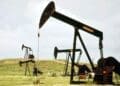
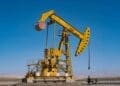

The auction included more than 600 tracts of land that collectively totaled just shy of 5.5 million acres of federal land located on Alaska’s North Slope. Although the opening of the bidding process represents the most widely recognized marker of completion, it followed a considerable amount of work developing a new Integrated Activity Plan and a lengthy public debate regarding how the reserve would be managed.
The BLM auction represented the first major lease sale in a number of years and was a signal of a return to routine leasing activities in an area long seen as a strategic component of the United States’ domestic energy supply.
What the National Petroleum Reserve in Alaska means
The National Petroleum Reserve in Alaska encompasses an approximate 23 million-acre area. Originally established to enhance U.S. energy security, it has since become the focus of an effort to balance resource development in the area against both environmental concerns and subsistence needs.
Approximately 1.6 million acres in the reserve had previously been leased as of the date of the March 2026 auction, indicating continued interest from the private sector in exploring the area’s geology. Specifically, the area’s oil-forming geology includes formations that contain vast reserves of oil.
The auction significantly added to the amount of land available for exploration, although leasing does not constitute approval for drilling. Any operator acquiring a lease must subsequently prepare a comprehensive exploration plan and/or development plan; each must undergo an additional layer of environmental review and provide an opportunity for public comment prior to conducting surface operations.
Why the March 2026 auction matters beyond the actual bidding
As part of the newly legislated requirement to conduct multiple large-scale lease sales in the reserve over the next decade, the March 2026 auction constitutes a benchmark for how future sales are likely to be conducted and perceived.
For those who participate in the industry, the auction provided clarification of the specific areas currently available for competitive leasing and their associated terms and conditions. For all other interested parties, the auction signaled the manner in which federal policies are being converted into tangible actions in the field.
While the results of bidding tend to capture the lion’s share of media coverage, the larger consequences of leasing decisions relate to the long-term development of infrastructure, exploration plans, and local and regional economic expectations.
A step forward – but certainly not an end to the debate
The March 2026 auction did not settle the disputes concerning development in the National Petroleum Reserve. Rather, it shifted the discussion into a subsequent phase in which individual projects, rather than broad acreage decisions, will be subject to further scrutiny.