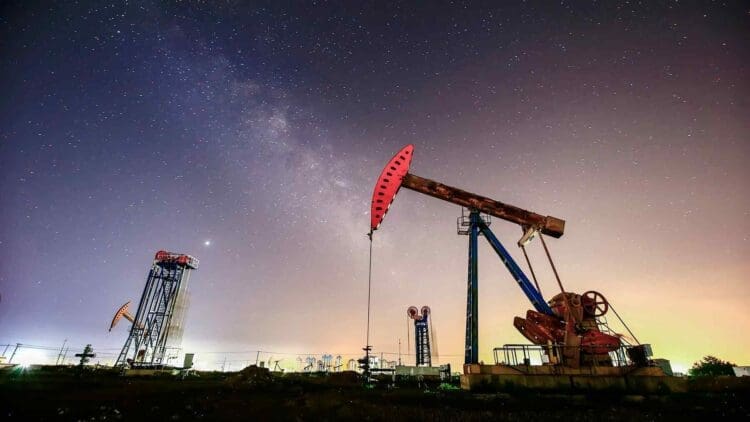

Most people do not typically think about the steps prior to when an oil and gas lease reaches an auction block; however, those first few steps determine how public lands will be utilized for generations to come. Now, a recent announcement from the U.S. Department of Interior’s (DOI) Bureau of Land Management (BLM), raises a subtle tension: What does it really mean when the DOI allows for a comment period before drilling is even considered?
A process that begins earlier than most expect
Oil and gas Leasing appears to begin long after the most visible decisions have been made and therefore, leads many to believe that the outcome is predetermined. However, the BLM’s most recent announcement indicates the opposite: the earliest stage of the leasing process – long before permits or rigs – is the opportunity for the public to meaningfully influence the next steps.
The BLM recently announced a 30-Day public scoping period to collect input on 32 parcels – covering 21,181.2 acres – that may be included in the planned August 2026 oil and gas lease sale across:



- New Mexico
- Oklahoma
- Texas
Although this action does not guarantee the parcels will be leased, it identifies the first doorway into understanding how federal leasing processes unfold.
These initial steps outline a slow-forming process that many never see
The first phases of a long process of development can take years for some or may be missing altogether before the final three (the environmental assessment phase, coordination with stakeholders and implementation of the land-use protections), the parcels will move through many stages that are indicative of the complexities and layers of the system which is in place for each possible lease.
Where tension quietly builds
This stage of public comment appears to be no more than a procedural phase of the process; however, it is the foundation of the study that will determine if drilling will take place on the land. The DOI will hold a public scoping period of 30 days beginning February 24, 2026, ending March 23, 2026. During this time the reviews will assess the potential impacts of drilling on the land, wildlife, water, cultural resources and local economies.
The breadth of the BLM’s scope of oversight provides some context regarding why this matters. Because the BLM manages over 245 million acres of public land and over 700 million acres of subsurface mineral estate, each decision made by the BLM is part of a larger national puzzle. Therefore, each lease sale represents one piece of a large-scale national puzzle of long-term land management priorities that balance energy development with environmental protection.
While the parcels are available for bidding today, they can still change or be eliminated due to environmental assessments, public comments or input from other stakeholders. The uncertainty of this possible outcome gives the impression that the eventual outcome is flexible and can be influenced by multiple factors beyond the mere acreage and parcel number. While the public review process allows for transparency of how parcels will be evaluated and prioritized, there is inherently a level of quiet uncertainty surrounding the eventual outcome.
What ultimately reveals itself?
The BLM’s decision-making process will begin with an assessment of whether or not leasing can occur at all. The BLM’s review process includes an environmental review for each parcel of land, public input via an e-planning system, and coordination with state and local government entities before issuing a lease.
What emerges is a system designed to surface concerns early, apply protective stipulations where needed, and ensure that leasing decisions reflect the broader public interest.
By opening this comment period now, the BLM is effectively inviting the public to influence the contours of the August 2026 auction before the sale is formally shaped. Ultimately, the BLM’s goal is to initiate the process of identifying potential issues before they become problems.