
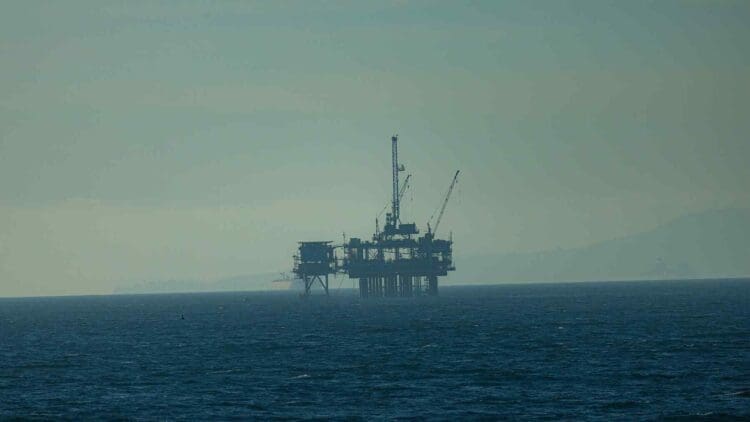

The primary decision that determines what will be leased in an offshore lease sale is generally made before a lease can actually be issued. Likewise, the primary decision that determines which leases will be offered in a given lease round is generally completed by the time the first bids on the leases are submitted. Planning for offshore leasing rounds is also where the direction for future leasing rounds is decided.
The phase of planning that determines options for the future
Planning for offshore leasing rounds is generally the least noticed by the general public and is typically the quietest part of the process.
The Bureau of Ocean Energy Management (BOEM), the agency responsible for managing the outer continental shelf for oil and gas leasing, has finalized the BBG2 oil and gas lease sale in the Gulf of America. The preliminary phase of planning involved identifying those offshore areas that could potentially be leased and how they would align with current and past plans.



Additionally, this earlier phase of planning identified any potential conditions that would need to be met should leasing occur.
Although the early phase was procedural in nature, it set the boundaries of possibilities for all subsequent phases of the leasing process. Once planning occurred, subsequent phases built upon the planning decisions rather than revisiting them. Therefore, the initial framing of planning for such large and complex offshore regions as the Gulf of America has lasting implications.
BBG2 built upon previous leasing rounds, but it was not merely another iteration of a previously conducted round. Each leasing round was based on new data, new policy, and new market conditions.
What is the context for BBG2?
The Gulf of America remains the most productive area for oil and gas production from the U.S. Outer Continental Shelf. The region’s infrastructure, workforce, and regulatory environment provide it with unique advantages compared to other offshore areas. However, the Gulf of Mexico continues to undergo evolution, driven by changing technologies, safety standards, and evolving demands for energy.
BOEM’s planning for BBG2 occurred within this complex backdrop
The planning included consideration of existing leases, active production operations, environmental protections, and how any future development may interact with existing developments. The purpose of planning for BBG2 was not to ensure that there would be future development, but to create a clear, consistent, and up-to-date foundation for any future decision-making regarding offshore development.
For those who are familiar with offshore leasing, this is the phase of planning where strategy begins to become apparent, while the outcome still remains unclear.
Why is the stage of early planning receiving attention?
Most of the time, early-stage planning isn’t reported on by the media. However, that’s where the greatest amount of leverage exists. The input from all parties involved at this stage of the planning process determined what elements would be carried into the project. How many constraints are put upon these elements? What amount of flexibility will be allowed as far as leasing regulations for future stages?
For industry participants, the BBG2 planning process indicated early on where leasing opportunities existed and under what circumstances. For other stakeholders, the planning process represented an ideal time to input prior to the positions becoming fixed and options being narrowed. Even slight alterations to the planning process could have affected investment decisions, infrastructure development, and long-term supply chain expectations across the Gulf.
Deliberate vs. dramatic pace of planning
The BLM’s approach to the planning process for the BBG2 offshore lease sale appeared to take a deliberate and therefore non-urgent approach. The leasing of offshore areas is generally an annual process and not a monthly one. In addition, each step in the planning process builds on previous steps.


