

As the remarkable growth of the US energy market becomes a reality this year, several energy majors with substantial assets in the US market have outlined their expected upstream growth for the years ahead. BP is one such company. The iconic British energy major has recently mapped out its US Gulf of Mexico upstream growth program, extending the plan to reach well beyond 2026 into 2030.
British Petroleum is aiming to lead the remarkable upstream growth in the US this year
Following the new executive order issued by the current administration aimed at increasing the US’s energy output capacity, BP has recently outlined its plans for the upstream market in the US Gulf of Mexico over the coming years. The reality is that the US market is dominating the international energy sector and shows no signs of easing up anytime soon.
Under BP’s latest upstream growth plans, the company is aiming to boost its presence and operational efficiency at its facilities in the Gulf of Mexico. The Gulf region has become a cornerstone of the US energy expansion through the litany of new and existing developments.
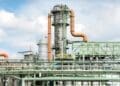
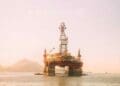

British Petroleum has become a major player through its enhanced operational efficiency
The company is advancing several projects and developments by deploying advanced, state-of-the-art technologies at its offshore facilities. BP has noted that the efforts to enhance operational efficiency at its facilities have positioned BP at the forefront of the remarkable expansion of the US energy sector.
“We intend to boost our US production to about 1 million barrels of oil equivalent per day (boe/d) by 2030, nearly 30% higher than in 2024. The Gulf of America is critical to that plan, with bp working to grow production capacity in the region to more than 400,000 boe/d by 2030 — while maintaining its focus on safety.” – BP statement
BP has outlined several expansion projects in the US Gulf of Mexico
BP is aiming to leave the disastrous history that the company has in the Gulf region behind and instead focus on the coming years ahead. The Deepwater Horizon Oil Spill in 2010 was a disaster of biblical proportions for the company, and as a result, BP has made several attempts to transform its reputation and image, especially in the US market.
To support the company’s growth plans for the Gulf of Mexico, BP has started up several expansion projects, including the Argos and Atlantis platforms, which BP operates in the Gulf region in the United States. BP has noted that two additional platforms are set to come online by 2030, namely the Kaskida and Tiber-Guadalupe projects.
The latter of those two developments was approved by BP towards the end of last year. The Tiber-Guadalupe development will feature the latest technologies that BP has been developing over the past decade to provide a new era of increased efficiency for BP in the Gulf of Mexico.
“BP’s expansion projects and deployment of advanced technologies in the Gulf of America underscore our commitment to safety and operational excellence. With initiatives already underway to maximize our existing infrastructure, apply innovative solutions, and boost production, we are is modernizing our offshore facilities today to support US energy needs for the future.” – BP statement over its upstream growth plans
Can British Petroleum benefit from the rapidly expanding US energy market?
Since the Deepwater Horizon Oil Spill in 2010, BP has been licking its wounds and attempting to rebuild trust with the US government. To a certain degree, the iconic British energy major has achieved this, but the overarching consensus is that more needs to be done. With market data revealing that the global upstream market is set to grow substantially over the coming years, BP stands at the forefront of the US energy expansion in 2026, and potentially further afield into 2030 as well.

