
Buccaneer Energy raises Pine Mills output to 135 bopd and reports positive cash flow after two-year operational turnaround
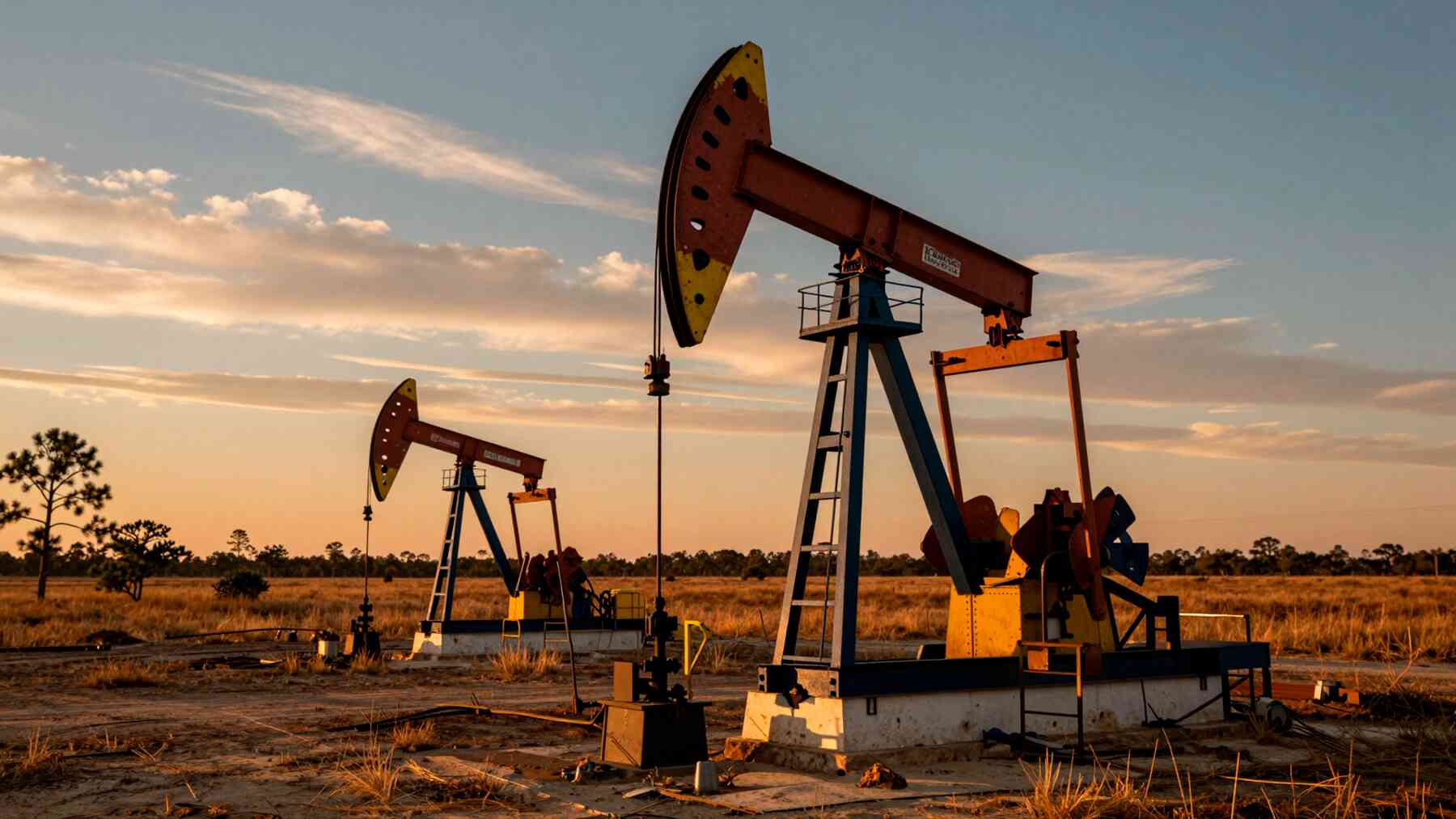 AI-made
Buccaneer Energy just reported that net production at its Pine Mills field in East Texas has hit around 135 bopd. That’s more than double the roughly 54 bopd the asset was putting out when the current management team took over in mid-2024. The AIM-listed company says Pine Mills is now generating positive free cash flow—and together with its Fouke asset, the two fields produced around $250,000 in net cash during May 2026 alone.
Production reaches 135 bopd as Pine Mills turns cash positive
That $250,000 figure from a single month is worth paying attention to. Pine Mills has crossed a real threshold — from a declining, underinvested asset into a self-funding operation that can actually service legacy debt.
Realized oil prices came in above $100 per barrel in May 2026, reflecting both the quality of the reservoir and the operational work done over the past two years. The company isn’t just covering costs anymore. It’s actively paying down the debt obligations management inherited alongside a struggling production base—clearing a structural drag that had been weighing on the business and giving the boardroom the ability to put capital toward growth rather than just keeping the lights on.
Unitization of leaseholders is progressing, and with Buccaneer now holding a majority working interest, the company controls both the timeline and the execution.
Operational discipline and targeted investment drove the turnaround
When the current team arrived in mid-2024, stabilization came before growth. General and administrative expenses were cut to levels that fit within the cash existing production was generating—listing costs, staffing, and overhead were all trimmed before any new money went out the door. Workovers followed. Only once the asset base was stable did management start deploying capital selectively.
The Carlisle-1 well illustrates how that approach works in practice. Bought for $425,000 earlier in 2026, it added around 25 bopd and generated $65,000 in free cash flow in May alone — a payback period of just over six months. Hard to argue with that return profile.
Carlisle-1 also had a strategic dimension: it pushed Buccaneer’s working interest in the proposed Fouke waterflood unit above 50%, handing the company operational control over a program that could meaningfully lift production in the quarters ahead.
Fouke waterflood and Organic Oil Recovery programme to drive further growth
The Fouke area waterflood program remains on track to begin in late Q3 2026. Unitization of leaseholders is progressing, and with Buccaneer now holding a majority working interest, the company controls both the timeline and the execution.
Running alongside that is the Organic Oil Recovery pilot, conducted in partnership with Hunting PLC since late 2025. One treated well moved from a 90% water cut to effectively water-free production—and that result has held across four months of monitoring.
Water cut matters here for a specific reason. At Pine Mills, water management is the second-largest cost component after staffing, so reducing it cuts operating costs directly, without new wells or major capital outlays. Buccaneer plans to roll the OOR program across the field in stages and says it can do so without significant upfront capital. Paired with the waterflood, management expects these two initiatives to push average net production toward roughly 250 bopd in the near term.
The board sets sights on larger-scale opportunities beyond Texas
The Pine Mills turnaround was never really just about Pine Mills. Management has consistently described the Texas operations as a platform, and the board is now acting on that framing.
Buccaneer says it’s actively evaluating opportunities in both domestic and international energy markets, with non-executive chairman Dr. Stephen Staley leading the international assessment. His background is directly relevant — Staley was a consultant to Cove Energy before, during, and after its acquisition of Rovuma Basin acreage offshore Mozambique, acreage that led to major gas discoveries and ultimately a £1.2 billion ($1.9 billion) sale to PTTEP in 2012.
CEO Paul Welch was direct about where the company stands. He described the Texas business as being in the strongest operational shape it’s been in years, while making clear the board’s ambitions extend well beyond the state. The goal, as he framed it, is to build a business of materially greater scale—one where Buccaneer’s technical capabilities and network can deliver higher-value returns.
Oil prices exceeding $100 per barrel
Buccaneer Energy has grown net production at Pine Mills from roughly 54 bopd to 135 bopd since mid-2024, driven by workovers, cost discipline, and a targeted bolt-on acquisition. Pine Mills and Fouke together generated around $250,000 in net cash flow in May 2026, with realized oil prices exceeding $100 per barrel.
The Fouke waterflood is due to begin in late Q3 2026. The Organic Oil Recovery program—run with Hunting PLC—has already demonstrated sustained water cut reduction in one treated well, and management expects both initiatives combined to push average net production toward approximately 250 bopd.
Beyond Texas, the board is evaluating larger-scale domestic and international opportunities, with Dr. Stephen Staley drawing on experience that includes advisory work tied to Cove Energy’s Mozambique discoveries. Buccaneer remains AIM-listed and continues to maintain its lending facility with WAFD Bank.
Kelly is an experienced writer with 15 years of experience exploring the big stories that shape our world, from tech breakthroughs and space exploration to climate, energy, and the fascinating quirks of science. She has a talent for turning complex ideas into sharp, memorable insights that stay with readers long after they’ve finished reading.
