
Incoming UK Prime Minister Andy Burnham set to endorse new North Sea oil and gas drilling within first days in office
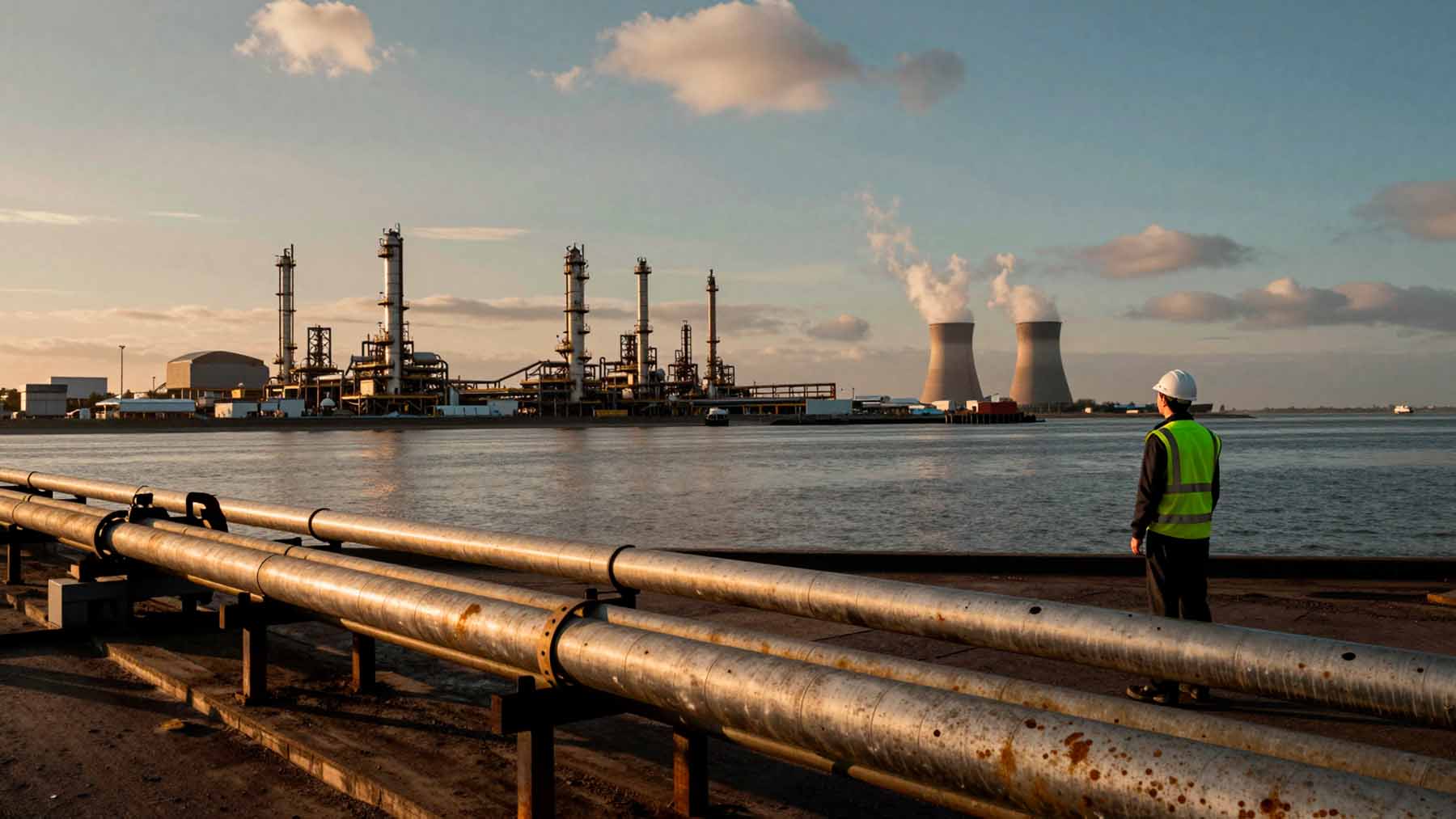 AI-made
Andy Burnham is set to take office as UK prime minister on Monday—and within days, he’s preparing to signal support for new oil and gas drilling in the North Sea, including the Jackdaw gas field and Rosebank oil field off the coast of Scotland. The move would mark a striking early departure from the energy policy of his predecessor, Keir Starmer.
No final decision has been announced, but Burnham’s team has already asked the civil service to draw up options for a North Sea announcement as soon as next week.
Burnham prepares North Sea drilling announcement for first week in office
Burnham gets the keys to Downing Street on Monday, succeeding Keir Starmer as the Labour prime minister. He’s not wasting any time.
Miliband, as Energy Secretary, held the line on new North Sea licenses even as industry pressure mounted and geopolitical events reshaped the debate around him.
His team has already asked the civil service to draw up energy policy options that could land as soon as next week. On the table: signaling a willingness to approve new drilling at the Jackdaw gas field and the Rosebank oil field, both off Scotland’s coast. Also under consideration is an expansion of so-called tiebacks—a method that lets operators drill further on or near existing fields. Lower-profile, but still a meaningful expansion of North Sea extraction.
No final decision has been made on exactly what the announcement will look like. People familiar with the matter say Burnham is likely to come out in favor of more drilling.
Why Burnham is moving toward approving new drilling
Context matters here. The Iran War has significantly raised the stakes around energy security, pushing governments across Europe to look harder at domestic supplies. North Sea oil and gas, once politically toxic in Labour circles, has become a lot harder to dismiss.
There’s also a political dimension. Burnham wants to draw a clear line between his administration and Starmer’s, and a visible shift on North Sea drilling would do exactly that. Under Starmer, energy secretary Ed Miliband consistently pushed back against new drilling licenses, prioritizing renewables—even as pressure mounted from US President Donald Trump and industry group RenewableUK, which counts members from both traditional and clean energy sectors.
One argument officials are using to smooth the path: approving Jackdaw and Rosebank wouldn’t technically breach Labour’s manifesto pledge to ban new exploration licenses. Both licenses were originally granted under the previous Conservative government, so greenlighting them means approving existing licenses rather than issuing fresh ones.
Legal and regulatory constraints may delay formal approvals
Even if Burnham signals support early, formal sign-off won’t happen overnight. Previous court rulings overturned earlier approvals for both Jackdaw and Rosebank, so the process has to be handled carefully this time around. Public consultations on both fields have recently been launched and need to run their course before any formal approval can be granted — a constraint that has also limited the current energy secretary’s room to maneuver.
There’s also a structural point worth noting. The final approval decision won’t rest with Burnham or the cabinet as a whole. It falls to whoever he names as the new energy secretary—a position that’s still unfilled. Burnham has said he won’t announce ministerial appointments until after he takes office Monday, so the identity of the person holding that critical decision-making role remains unknown.
Critics warn new drilling undermines UK climate commitments.
Not everyone is on board. Environmental groups and left-wing Labour MPs have pushed back hard, arguing that new drilling would damage Britain’s net-zero targets and send the wrong signal internationally.
Tessa Khan, executive director of Uplift—a nonprofit campaign and research organization—called it a “mistake” for Burnham to “cave into the demands of the profiteering oil and gas industry.” She also warned the decision would be “out of step with the majority of voters.” Green Party leader Zack Polanski was equally direct, arguing that approving new North Sea drilling would signal the UK is stepping back from its climate commitments and that the government should focus on renewables instead.
These aren’t fringe voices. They reflect a genuine tension inside the Labour coalition—between energy security hawks and climate-focused members who see fossil fuel expansion as a step backward.
Background: North Sea policy under the Starmer government
Under Starmer, the government’s energy strategy leaned heavily on renewable expansion. Miliband, as Energy Secretary, held the line on new North Sea licenses even as industry pressure mounted and geopolitical events reshaped the debate around him.
The Iran War changed the political calculus considerably. Energy security moved from a background concern to a front-page issue across Europe, and the North Sea became a flashpoint in British politics as a result. Burnham’s early agenda isn’t limited to energy, either. His team is preparing an announcement on Thames Water, with options including special administration—a form of temporary nationalization—and mutualization, which would convert water companies into not-for-profit cooperatives owned for customers’ benefit. Burnham has indicated he sees mutualization as potentially more affordable and politically feasible than outright nationalization.
A shift from Starmer-era energy policy
Here’s where things stand heading into Monday. Burnham is expected to signal support for new North Sea drilling — likely including Jackdaw and Rosebank — within his first week in office, representing a meaningful shift from Starmer-era energy policy driven by security concerns following the Iran War.
Formal approvals face real hurdles. Ongoing public consultations and past court rulings mean the process could take time, and the final call belongs to a new Energy Secretary whose identity won’t be known until Burnham names his ministers. Opposition from environmental groups and some Labour MPs is already forming. How Burnham navigates that pressure—while managing the legal and regulatory constraints—will define one of the earliest tests of his premiership.
Kelly is an experienced writer with 15 years of experience exploring the big stories that shape our world, from tech breakthroughs and space exploration to climate, energy, and the fascinating quirks of science. She has a talent for turning complex ideas into sharp, memorable insights that stay with readers long after they’ve finished reading.
