
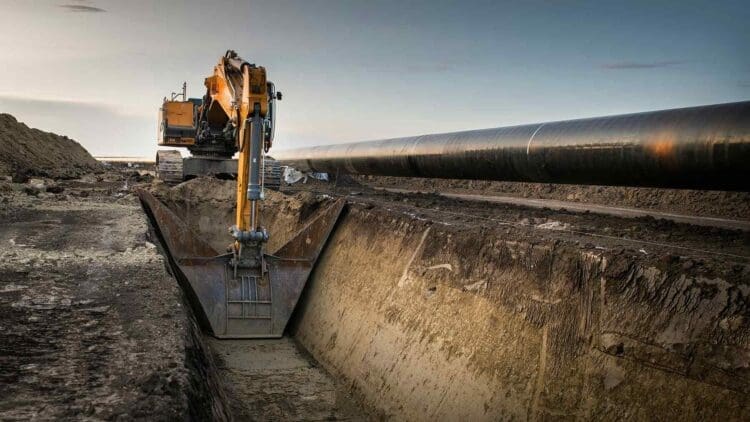
Canada has been working diligently to increase its natural gas capacity to meet the current and expected demand for the essential energy resource. In a move that could reshape the country’s natural gas market, the Commission of the Canada Energy Regulator has recommended that Westcoast’s Sunrise Expansion Program be approved by the Canadian federal government.
Can the Canadian energy industry compete with the dominant US market in 2026?
The new system will provide the much-needed increase in capacity to meet a new era of export demand for the noisy neighbor to the North.
For the most part, the vast majority of Canada’s energy exports have been earmarked for the Asian market. The US has dramatically increased its natural gas production portfolio, and through the plethora of existing and planned pipelines, has opened the door to a new era of exporting for the United States.



Canada, on the other hand, has been working to increase its production of essential energy resources such as oil and natural gas through several developments that have become strategically important for the North American nation.
The regulatory process that needs to be followed by energy companies and operators is no laughing matter, often taking months and even years to complete. To fast-track the approval of the Sunrise expansion program by Westcoast Energy, the Commission of the Canada Energy Regulator has recommended that the relevant authorities approve the project.
The newly proposed Sunrise pipeline expansion has become a necessity to meet increased demand
The existing pipeline system can be found in British Columbia, and the plan calls for a litany of infrastructure projects to be developed to reach the project’s full potential of drastically increasing Canada’s export capacity of essential natural gas for the international market. The Commission has identified the project as one of public interest and has recommended that the certificate of approval be given.
What exactly does Westcoast Energy’s Sunrise pipeline expansion entail?
Westcoast Energy’s Sunrise pipeline expansion has become the major focus for the Canadian energy industry to meet the anticipated increased demand for natural gas from the Woodfibre LNG export facility, which is slated to begin operations sometime in 2027.
The project details several new infrastructure plans that are needed to bring the project to fruition, including but not limited to:
- 11 new natural gas pipeline loops, totaling approximately 86 miles. These pipelines will primarily be located adjacent to existing rights-of-way in the BC region.
- Two additional overhead powerlines that will feed electricity to a new electric compressor unit and existing stations.
- Significant upgrades to existing facilities, as well as modifications and other infrastructure-related activities
As the demand for natural gas is set to skyrocket this year, a wave of new facilities has emerged, with the United States dominating the natural gas production market through its efforts and executive orders. Some US-based companies have even reshaped their leadership to advance the midstream sector’s potential over the coming years.
The Commission has noted that its findings point to the project becoming a necessity to meet the increased demand for natural gas and has also stated that the project will be developed to meet the regulatory and safety standards set by the federal government.
Can Canada deliver on its expectation of developing new pipelines this year?
With the regulatory process for the Sunrise pipeline expansion ongoing, several other new pipelines are being developed by a myriad of Canadian energy companies, potentially providing a new opportunity for the North American nation to drastically increase its standing on the international stage. Whether or not Canada can effectively compete with the United States is yet to be determined, but the reality on the ground is that Canada is advancing its natural gas exporting capabilities thanks to the proposed pipeline expansion by Westcoast Energy.


