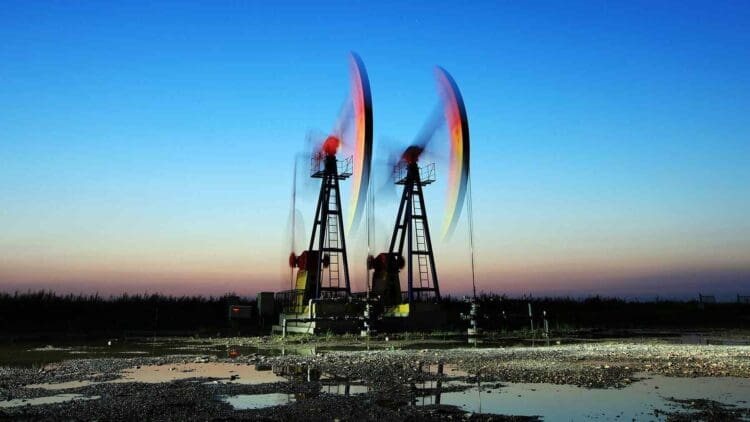

The largest and most diverse Oil Sands producer within Canada is Canadian Natural Resources Ltd (CNRL), which is transitioning from a scale-driven strategy of producing as much oil from the oil sands as possible (“Scale”) using operational improvements to their existing thermal asset base to manage their long-term oil sand assets.
An evolution in managing long-lived oil sands assets
While the operational improvements achieved by CNRL will be significantly less than those realized by ‘scale’ focused peers that are either in the process of expanding their production capacity on a larger basis throughout the oil sands region or have recently completed such expansions, they do mark an important transition for how the long-term oil sand assets are managed.
Canada’s largest oil sands producer has developed a portfolio of thermal resources located primarily in the Athabasca and Cold Lake areas. Much of this resource is far underground and thus cannot be extracted using traditional mining methods.



As a result, CNRL uses in-situ recovery technologies, which require continuous, disciplined operation for many years — not just large, fast-paced development campaigns.
Operational philosophy of efficiency and reliability
Because of the depth and long-term characteristics of CNRL ‘s thermal resources, the company’s operational philosophy emphasizes steady production over long periods of time. This philosophy recognizes that reducing the costs and risks associated with operating its thermal assets will ultimately lead to higher returns over time. This same philosophy is guiding several operational improvement initiatives currently underway in CNRL ‘s oil sands business.
Improved steam generation, recycling, and deployment
On the operational side, CNRL continues to develop and implement improved methods of generating, recycling, and deploying steam across its thermal operations. At CNRL’s Cold Lake operations (Primrose and Wolf Lake), for example, cyclic steam stimulation (CSS) is used to stimulate oil flow from specific zones in the underlying geological formations. To achieve consistent results from each cycle, accurate timing and control are required to ensure smooth production patterns throughout the life of each reservoir.
Similarly, at CNRL Athabasca operations (Kirby and Jackfish), steam-assisted gravity drainage (SAGD) is used to recover heavy oils from shallow geological formations. At these operations, there is a greater emphasis on optimizing SAGD reservoir performance through better steam-to-oil ratios and adapting mature wells to maximize output without significantly increasing the amount of steam required. These improvements are examples of CNRL’s continued efforts to derive additional economic benefits from existing well-pairs instead of constantly drilling new wells.
Why is efficiency important in this context?
There are two key reasons why CNRL is placing such an emphasis on efficiency.
- Given that nearly all of Canada’s oil sands can only be economically recovered using thermal in-situ technologies, CNRL believes that developing operating disciplines that enable it to operate its thermal assets safely and reliably on a long-term basis will provide a sustainable competitive advantage.
- Although initial capital expenditures are high for thermal projects, the longer these projects operate and the lower the decline rate of production, the more money they will generate.
Additionally, CNRL has piloted various solvent-assisted processes and follow-up steam floods at mature CSS field locations to test methods of enhancing recovery while decreasing steam consumption. Although not revolutionary in themselves, these pilot studies represent a broader commitment by CNRL to emphasize efficiency over expansion wherever possible.
The message behind these initiatives
It is evident in recent developments that Canadian Natural Resources has taken an investment position in its belief that executing its oil sand operations efficiently will provide greater, more stable returns on capital than pursuing rapid expansion. By improving operational efficiencies, the overall cost structure and emission intensity of CNRL’s oil sands operations are reduced. In addition, efficient operation of oil sands production improves the company’s ability to operate through periods of volatility associated with changing commodity prices.