
Chesapeake Utilities advances proposal for a $1.2 billion natural gas pipeline serving South Florida
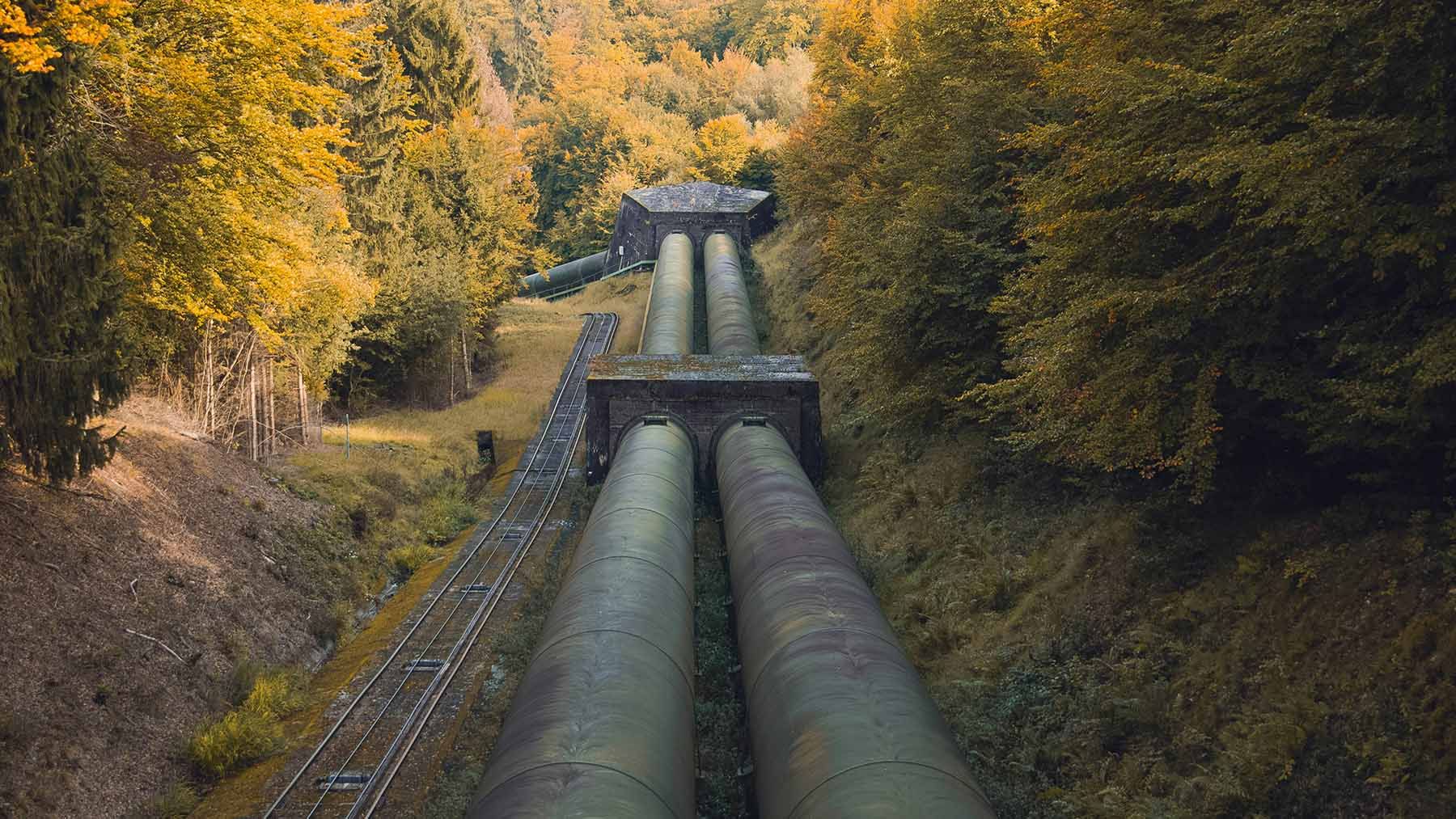
One of the factors that countries are forced to consider during the ongoing clean energy transition is the number of fossil fuel projects they pursue. For many decades, countries invested millions of dollars in fossil fuel initiatives because of the short-term profit that they bring. The United States has become one of the leading natural gas and oil producers in the world. As such, the nation intends to maintain its position while doing so without causing tremendous amounts of carbon emissions and disrupting the clean energy transition. On that note, Chesapeake Utilities advanced its proposal for a $1.2 billion natural gas pipeline serving South Florida.
Assessing the importance of Chesapeake Utilities to the U.S. landscape
United States-based entities have a huge responsibility to continue the nation’s dominance in energy generation and innovative initiatives. Chesapeake Utilities is a diversified energy delivery company that is listed on the New York Stock Exchange.
The entity offers sustainable energy solutions through its natural gas transmission and distribution, electricity generation and distribution, and other businesses. Interestingly, Chesapeake has an intrastate transmission business in Florida named Peninsula Pipeline Company, which has played a pivotal role in advancing Florida-based initiatives.
The United States is statistically the world’s largest natural gas producer, achieving record-breaking levels that supply a massive domestic power grid and a booming global export market. The majority of the nation’s natural gas emerges from underground wells. The biggest producing areas are the Marcellus Shale in the Appalachian region, the Permian Basin, and the Haynesville Shale.
Breaking barriers: Chesapeake Utilities advances $1.2 billion natural gas pipeline
Unbeknownst to the general population, the execution of energy projects is a multifaceted and extensive process that is not as simple as companies beginning the initiative. There are various steps that developers have to go through in assessing the land, placing proposals, and waiting until they receive approval from the government.
Chesapeake Utilities and its subsidiary Peninsula Pipeline Company announced the Florida Energy Pathway (FEP), a new intrastate natural gas infrastructure project in South Florida. The project will be developed, constructed, and operated by PPC to expand natural gas transportation capacity.
The United States has been committed to diversifying the energy sources of every state, meaning it encourages the execution of different energy projects. In this instance, the initiative aims to address regional supply constraints, improve system reliability, and extend natural gas infrastructure to serve homes and businesses.
FEP is expected to be a 24-inch intrastate natural gas pipeline originating in Palm Beach County and terminating in Miami-Dade County. The initiative consists of commitments that total 250,000 dekatherms per day from multiple investment-grade shippers.
Understanding the significance of the initiative for Chesapeake and its future
The contemporary energy landscape is largely dictated by reputation and companies’ abilities to achieve success and use it to be appointed in other groundbreaking initiatives. In this case, there are various entities involved. For instance, upstream capacity will be provided by Florida Gas Transmission together with its Phase IX expansion.
PPC has also shown an openness to accepting binding commitments with extra shippers for firm transportation service. The total investment will be roughly $1.2 billion, depending on the finalization of design and development activities.
Looking ahead: Chesapeake set to pursue more captivating projects
There are massive expectations for what is to come from Chesapeake in the future, following the success that it has reached. Jeff Householder, Chesapeake Utilities chair of the board, president, and chief executive officer, stated the following:
“Florida continues to lead the nation in population and economic growth, which drives increasing energy demand. In the South Florida area, this has led to significant energy supply constraints. Natural gas infrastructure expansions, including the Florida Energy Pathway project, play an important role in enabling regional growth.”
Ultimately, the project is expected to be in service in 2030, subject to commissioning. For Chesapeake, it is important to share the responsibilities and obligations involved in the initiative; it is considering partnering up with one or more entities.
Prince is a versatile writer focused on energy, automotive, environmental, and general news topics. He makes complex technical and policy issues clear, engaging, and accessible for a broad audience.
