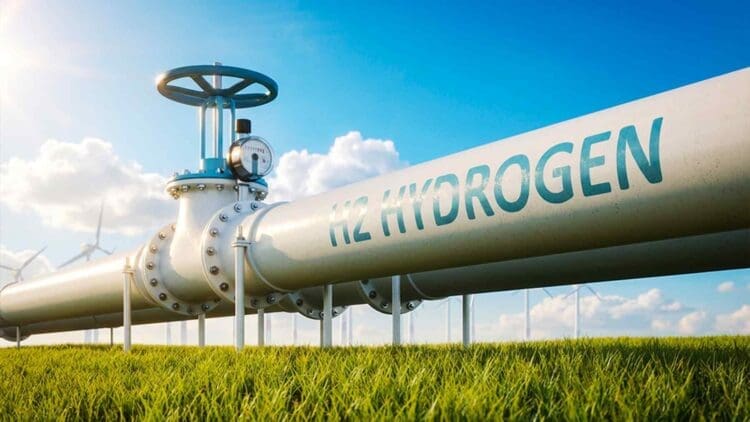
Hydrogen is increasingly gaining respect for its versatility as an energy source because it not only generates electricity for homes, but it can also be utilized in certain means of transport. For instance, hydrogen can be used in fuel cell electric vehicles, which means the more the EVs dominate, the more hydrogen can be used.
The United States takes a significant step in hydrogen production
The United States is the latest nation to take advantage of hydrogen after news broke that the nation has selected projects for a major funding round supporting clean hydrogen production, storage, transport, and end use.
The energy industry is unlike other departments because it does not consist of competition among countries. Instead, all nations understand the need to collectively work towards reducing the overreliance on fossil fuels in order to eliminate the carbon emissions that are detrimental to the longevity of the Earth.


Nonetheless, this does not stop the U.S. from actively working towards overtaking China to become the largest hydrogen-generating country in the world. Following the announcement of the nation selecting certain projects for funding, a lot of people were curious what exactly went into the decision-making process or how exactly projects meet the required criteria to receive funding.
The primary focus in relation to the selected projects is advancing clean hydrogen generation technologies. The energy industry is in an interesting period, whereby innovation is at the forefront of initiatives as it is the driving force behind how they materialize.
Unpacking the hydrogen projects that were selected for the major funding round
Funding is a key factor in energy projects, and it is often the reason why some of them do not end up coming to fruition. The easier part for developers is theoretical planning. Thus, it is understandable why a lot of corporations would have been vying to be part of the selected ones to receive funding.
One of the winners under Area of Interest 18 is GTI Energy of Illinois, which will pilot a novel feedforward gasifier control system. Simply put, this involves optimizing gasifier feedstock handling to amplify hydrogen generation from biomass and waste materials.
This particular development includes a lifecycle and techno-economic analysis for a 500-tonne-per-day hydrogen plant. There has been a lot of attention on this selection because of the expectations surrounding it. The energy industry experts suggest that sustainable feedstocks might play a crucial role in future energy markets.
Reviewing a selection that combines hydrogen generation and technological innovation
Lehigh University, in partnership with entities such as Idaho National Laboratory and Energy Research Company, was among the selected projects to receive funding to consolidate machine-learning techniques with laser-based sensors. This is intended to enhance the control of hydrogen generation in gasifiers. Some might think this is an unworthy investment, but the production enhancement will actively assist the U.S. government to meet its targets for hydrogen cost reductions.
Analyzing clean hydrogen production, storage, transport, and end use
Another noteworthy detail of the US’s new hydrogen initiative is that the funding is designated for developments that prioritize hydrogen storage and delivery systems. These two particular areas are crucial links in the clean hydrogen supply chain.
Experts at Stevens Institute of Technology will be tasked with designing wireless, artificial-intelligence fiber-optic sensors for gasification systems that produce hydrogen. These sensors are able to provide instant data on pressure, temperature, and gas composition, which in turn guarantees safety and performance.
It is not surprising that the United States is showing a desire to invest a massive amount of funds towards hydrogen development, considering how advantageous it is. Clean hydrogen is generated with low carbon emissions and is slowly becoming one of the core components of America’s future clean energy initiatives, which will allow it to achieve its clean energy goals.