

The growth of the renewable energy market, including wind farms, has encompassed the entire global energy industry, with one exception: the United States. America has been the only nation in the world that has been actively rolling back permits for renewable energy projects, such as the federal government cancelling funding for a green hydrogen hub in California. Despite these ups and downs in the embrace of the sector, Coastal Virginia’s 2.6 GW offshore wind project remains on track to be completed by the end of next year.
Dominion Energy notes that the Coastal Virginia offshore wind project remains on schedule
Dominion Energy has stated that the project remains on track for a 2026 completion date. The project underscores the significant challenges in the US energy market for wind energy projects. This can be attributed to the apparent disdain that the current administration has for renewable energy generation, with wind power in particular aggravating President Donald Trump.
Dominion provides a stable energy supply for millions of customers in the Carolinas and Virginia, and has been working exceedingly hard to find an amicable solution to advance renewable energy projects in the United States. In Q3 of 2025, Dominion’s electric sales rose to $921 million, which is slightly more than the previous year, which came in at around $836 million.
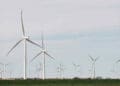
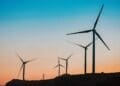
The astonishingly huge offshore wind project will reshape the regional energy supply
Due to the fact that the US federal government has been actively rolling back permits for renewable energy projects, the 2.6-GW Coastal Virginia Offshore Wind project stands as a pillar of strength in a nation that has become exceedingly hard to operate wind projects in, or even get them past the planning phase. Once completed in late 2026, the project will be the largest offshore wind development in the United States by a long shot.
2026 will see the first electricity delivered to customers from the wind farm
During a recent earnings call, Dominion’s leadership noted that the project will begin delivering first electrons next year, with a full-scale launch expected by the end of 2026. Dominion’s CEO, Robert Blue, noted that while expectations are for the project to be completed by late next year, the installation of the final wind turbine may slip into early 2027.
Blue also noted during the earnings call that the total project costs are estimated to come in at around $11.2 billion, and include an unused contingency of $206 million. Due to the tariff situation in the global market, costs may increase next year by an astonishing $690 million. Despite the uncertainty of the estimated costs associated with the project, Blue notes that the project could save up to $3 billion for customers during its first decade of operations. Wind power generation has swept across the entire energy biosphere, with Europe embracing it like a long-lost family member.
“It’s the fastest way to get 2.6 GW on the grid that’s going to serve AI and technology companies, defense and security installations. It’s critical to important infrastructure upgrades at the Oceana Naval Air Station. And if you stop it now, it causes energy inflation.” – Dominon CEO, Robert Blue
Advancements in wind energy generation technology have reshaped global sentiments
While the United States faces an uncertain future in the renewable energy market, other regions of the world have taken a much more welcoming approach to the sector. Substantial advancements in wind energy technology have become a regular occurrence in the modern-day energy market and could potentially reshape the global adoption of the sector. The US will need to rethink its strategy for the renewable energy sector if it aims not to be left behind by the progress made in implementing new wind and other renewable energy projects in the future.

