
There are many companies worldwide that are positioning themselves for the imminent surge in demand for hydrogen. Among the most notable ones are the European ones who have interestingly decided to make a collective decision to represent that they all have a common goal. This was confirmed after a Consortium of major energy firms submitted proposals for the inaugural regional hydrogen network in the Humber.
The Humber region’s growing significance in clean energy initiatives
From time to time, there emerges a single region that companies unanimously decide is most appropriate for pursuing certain energy initiatives after experts uncover something that was previously unknown. The Humber region is recognized as the United Kingdom’s “Energy Estuary,” conveying how relevant it is in energy initiatives.
Despite various firms’ desire to pursue hydrogen initiatives, the region is well known for its offshore wind capacity, which generated 33% of the UK’s total wind power in 2024. The area also has a reputation for natural gas and refined petroleum.


However, as companies are determined more than ever before to generate clean electricity, it is not surprising that they are seeking to transform the area.
According to the most recent reports, the Humber region in northeast England could end up becoming Britain’s first regional hydrogen-oriented network, after a consortium of leading energy firms has formally submitted proposals to the government in a bid to secure funding and approval.
It is essential that leading firms are the ones to submit the proposals because governments are more likely to give in to their requests rather than smaller corporations.
A detailed assessment of Humber Hydrogen and how it could transform Europe’s energy landscape
Ever since scientific experts uncovered how versatile an energy source hydrogen is, many companies have been determined to establish themselves as key hydrogen developers. The consortium decided to name their initiative Humber Hydrogen as they seek to develop an integrated hydrogen transport and storage infrastructure across Yorkshire and Lincolnshire.
Many people are already dreaming of what could happen if the Humber Hydrogen initiative becomes successful. Nonetheless, the existence of the initiative means there is great confidence that hydrogen is a necessary energy source in reducing emissions.
The consortium has submitted its proposal under the UK government’s Hydrogen Transport and Storage Business Model process, which is a competitive route to deciding where the first major hydrogen network will be built.
A consortium that could change the future of hydrogen developments in Europe
Interestingly, news of the consortium’s proposals comes after recent reports emerged that the energy sector leaders were urging UK officials to address mounting setbacks in hydrogen rollout. Now, four major energy companies, namely National Gas, Centrica, Equinor, and SSE Thermal, came together to submit proposals for Britain’s first coordinated regional hydrogen network.
Some people have wondered what exactly the companies hope to achieve or why they won’t invest their own money. The year 2026 has shown that when governments are involved in projects, they have a higher likelihood of materializing. As such, the firms are aiming to gain government assistance.
Looking ahead: Will the Humber hydrogen project be successful?
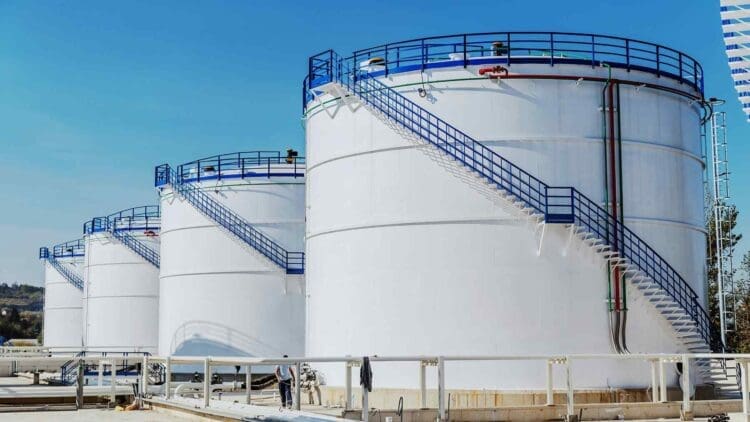
The group of companies is seeking government backing worth around £500 million (US$670, 250 000) to build imperative infrastructure that can combine production, storage, and transmission. The network plans to possess a hydrogen pipeline and associated storage facilities, including the Aldbrough site in the East Riding of Yorkshire.
It also intends to link significant hydrogen production plants, such as Equinor’s planned H2H Saltend project and a large hydrogen facility at Easington.
Humber Hydrogen is not just transport infrastructure, but it is being presented as the hub for future industrial decarbonization. The government would be better served to approve of the initiative, especially considering that the harder part of finding suitable companies has been done. European companies continue to take matters into their own hands in renewable energy production.