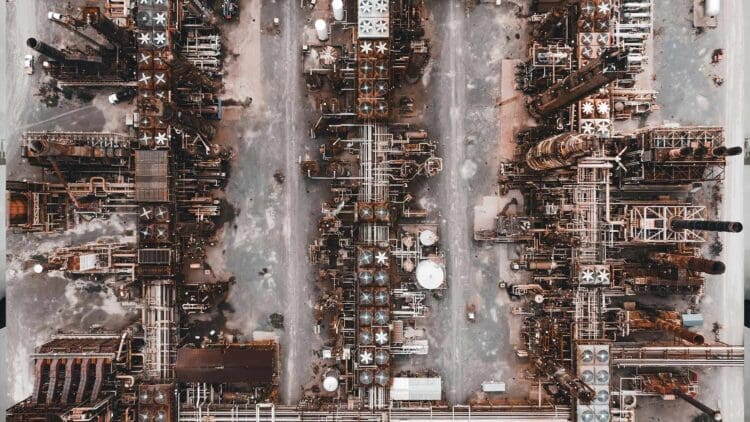

The global surge in new refineries and upgrading existing ones has hit the international market like a freight train barreling through any obstacles. Africa has seen tremendous growth across several markets as a new wave of energy generation hits the continent. The Republic of Congo has recently stated that the modernization of its CORAF refinery is entering the second phase, with expectations that the project will be commissioned sometime this year or early 2026. The project will boost the African nation’s energy security and reduce imports of essential energy resources.
In the global energy industry, cooperation is often the only way to advance projects
The international energy market is nothing if not adaptable. New demand for energy resources has placed the African continent at a crossroads: either invest heavily in increasing output capacity, or face a future of playing second fiddle to the larger and more influential energy-rich markets of the world. Congo has been working alongside an unlikely partner to modernize the CORAF refinery.
The national oil company of the Republic of Congo, Société Nationale des Pétroles du Congo (SNPC), partnered with SOCAR, the State Oil Company of the Republic of Azerbaijan, to modernize the CORAF refinery, exemplifying the need to cooperate with other nations to advance energy projects to reach full-scale commissioning.

The deal was struck at last year’s African Energy Week in Cape Town, South Africa
At the African Energy Week (AEW) 2024: Invest in African Energies conference in Cape Town, a deal was struck and formalized through a contract between SOCAR Downstream Management, a subsidiary of SOCAR, and SNPC to modernize the operations at the CORAF refinery. The firms confirmed that the aim was to modernize and enhance the refinery’s capacity as well as meet evolving environmental requirements.
The modernization plan follows a similar development in the central African nation
The partnership leverages SOCAR’s vast expertise in modernizing refineries, following the recent modernization of the Heydar Aliyev Refinery in Baku. The firms have noted that the second phase of the modernization of the refinery has commenced. It’s the first time the modernization of the refinery has taken place since 1982.
Officials noted that the system is now fully automated, increasing raw oil processing by 50%. However, to complete the modernization of the refinery, the companies will need to build a conversion unit to transform heavier fuel into lighter products. Developing refinery upgrades requires pragmatic forethought as the process normally takes up to six years.
Africa is fostering a new era of increased output capacity in the downstream energy market
Several African nations have expressed their ambitions to increase the output capacity of energy projects over the coming years. The Dangote refinery in Nigeria stands as a pillar of progress on the continent. With Africa set to expand refining capabilities over the coming years, the market is shifting its attention to the continent as a wave of possibilities emerges from the sea of energy generation potential.
The Congolese refinery upgrade marks the new future of energy generation in Africa
The Republic of Congo has been subjected to years of war that have ravaged the nation’s ability to provide a significant and stable energy supply to the population. Thankfully, the Congolese government is partnering with a reputable European energy firm to advance the second phase of the modernization of the refinery. 2026 is shaping up to be a year packed with opportunities for the African energy market as demand for competitiveness in the global energy market surges. The continent is perfectly positioned to become a major player on the global stage, as new refineries and old ones pick up the pace and transform output capacity.