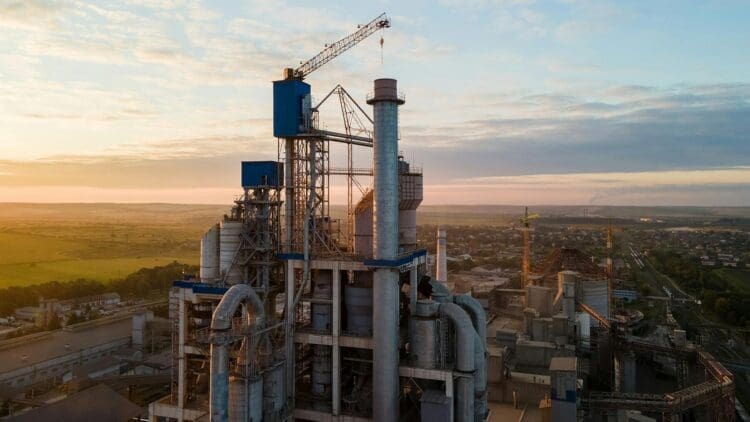

The rapid expansion of the West African energy market has been a sight for sore eyes for any African, regardless of national origin. The Dangote Refinery in Nigeria, owned by the richest man in Africa, has reshaped the regional energy market and transformed the West African nation into a regional energy hub. For far too long, the African energy market has been overshadowed by the rest of the world; no more, says Nigeria.
West Africa is fast becoming a profoundly important energy production and trade hub
The global energy market has seen a dramatic expansion of refining and fuel production as the world experiences a resurgence in conventional energy production. As the market grows year-on-year, Nigeria is aiming to become a major hub for energy production and trade in West Africa.
The Dangote Refinery stands at the precipice of a surge in new opportunities to dominate the regional energy market. The profoundly important refinery produces 650,000 barrels per day, and according to recent reports, could reshape the regional fuel market through some significant upgrades to processing units.

Dangote is aiming to lead an African revolution across the energy market
The Dangote refinery began gasoline production in September 2024, and since then, it has seen a dramatic reduction in fuel imports for Nigeria. Market data reveal that net gasoline imports fell to 40,000 bpd in September 2025, which is a drastic reduction from the previous import numbers of 332,000 bpd a year.
The impact of the new upgrades at the Dangote Refinery has been profound, to say the least. The refinery’s output has cut fuel imports across the West African region, most notably:
- Gasoline imports across the West African region declined by 25% to 337,000 bpd
- Jet Fuel imports fell too, sitting at 4,000 bpd, the lowest in ten years
- Diesel imports dropped like a brick to reach a five-year-low of 162,000 bpd
The privately-owned Dangote Refinery is set to drastically reshape the region’s energy output capacity
Despite a few scheduled maintenance breaks at the privately-owned Dangote refinery, the facility has remained the backbone of the Nigerian energy market. State-owned refineries pale in comparison to the Dangote refinery. Port Harcourt and Warri refineries face significant operational issues, reflecting the challenge of rehabilitating long-idle assets in the nation.
Other West African nations are following the exceptional example of Nigeria and the Dangote Refinery, such as Angola, with its 30,000-barrel-per-day Cabinda refinery. The Cabinda refinery restarted operations late last year, revealing the remarkable expansion of the African energy market.
Ghana has also been working diligently to restore operations at the Tema Oil refinery; however, market insiders have noted the exceedingly long time frame to restore operational status at several refineries across West Africa, making the upgraded Dangote Refinery in Nigeria of extreme importance to the regional energy production market.
“We can actually turn Africa into a heaven in the next five years… You need to think big, and then you grow big. he people who were supposed to invest in refineries, who understand the market, are benefiting from there being no refineries because of the fuel import business. Everything I do is in the interest of my country.” – Aliko Dangote, owner of the Dangote Refinery and the richest man in Africa
Africa is ready to expand its presence and status on the international energy stage in 2026
With new reports from the African Energy Chamber forecasting a dramatic increase in energy projects this year, the Dangote Refinery stands at the crossroads of facing recent backlash over unionizing among the truck drivers who transport the essential products made on-site, and the need to expand operations to meet the needs of the domestic West African market. West Africa has quickly become a regional hub for energy production and trade.