In all of the successful energy projects of 2026 in the United States, the Department of Energy has played a critical role because, without its planning and approval of certain projects, they would not have proceeded. Its involvement has been highlighted mostly in the hydrogen energy sector, which the United States is greatly committed to advancing. In its latest contribution to the renewable energy transition, the Department of Energy promoted commercialization via the Spring 2026 Energy I-Corps cohort featuring hydrogen innovations.
The Department of Energy keeps its momentum in advancing hydrogen generation
Hydrogen initiatives have benefited massively from the incorporation of technology into the energy industry. This is because the higher the technological innovation, the greater the ability of developers to execute ambitious ideas.
The U.S. Department of Energy (DOE) is hastening the route from laboratory breakthroughs to market-ready technologies through its Spring 2026 Energy I-Corps cohort.

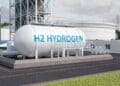

This is a project that unveils the federal government’s continued efforts to strengthen commercialization pipelines, particularly in emerging sectors like hydrogen. There is a new group of national laboratory teams selected in a program that displays the growing desire to turn research into real-world energy solutions.
When technological companies are aware of how essential their resources are to hydrogen projects, they are more inclined to develop more advanced innovations. The Spring 2026 cohort is the perfect example of the DOE’s commitment to encouraging entrepreneurship in its research ecosystem. The Department has combined technical expertise with market analysis to ensure that innovations are not limited to laboratories.
Analyzing the pivotal role played by Energy I-Corps in advancing hydrogen projects
The energy industry is filled with great activity at the moment. As global competition continues to reach greater heights, programs like Energy I-Corps are becoming more and more important to sustaining U.S. technological leadership. The DOE’s Office of Technology Commercialization selected 28 projects for the Spring 2026 Energy I-Corps cohort.
Incredibly, this is the program’s twenty-second training cycle, which is a testament to its longevity in influencing the direction that hydrogen developers take. There are teams picked from national laboratories, plants, and research sites to go through intensive training focused on market discovery and commercialization pathways. So what exactly does Energy I-Corps entail?
Energy I-Corps is a two-month interactive experience that provides researchers with entrepreneurial skills. The people participating learn things like how to decipher customer needs, clarify value propositions, and interact directly with industry stakeholders. Overall, the program is an essential tool for connecting publicly funded research and private-sector adoption.
Analyzing the connection between the program and increased hydrogen projects
One of the most effective strategies utilized by the DOE is including market awareness in the research process. This approach increases the likelihood of innovations becoming more aligned with industry demand and investment opportunities. On top of the training, the researchers involved benefit from mentorship and structured feedback.
There have already been hundreds of researchers who have assisted in transitioning technologies into feasible products or startups.
The Spring 2026 cohort features a strong focus on hydrogen-related technologies. These go from advanced production methods to storage and infrastructure solutions. Hydrogen is gaining more appreciation as a versatile energy carrier with the ability to decarbonize sectors that are difficult to electrify. For example, the heavy industry and long-haul transportation.
The inclusion of hydrogen-focused teams in the cohort is something that permits researchers to test the commercial viability of their technologies early in development. This lessens the risk of technological stagnation and hastens pathways to deployment.
The DOE strengthens the U.S. innovation and energy industry partnership
The incorporation of hydrogen innovations into commercialization training guarantees that emerging solutions do not solely focus on being technically sound but also economically competitive. This strategy of killing two birds with one stone is essential for establishing a sustainable hydrogen economy.
Ultimately, the Energy I-Corps program effectively fosters collaboration between national laboratories and the private sector. The Department of Energy deserves massive credit for dictating both research direction and commercialization strategies.