
As things stand, China is the leading nation in hydrogen production and consumption, but the United States is clearly making an effort to increase its total capacity with the number of initiatives that it is taking this year. Hydrogen is the single energy source that has gained more relevance in the contemporary landscape as countries appreciate its versatility. In the U.S., the Department of Energy recently selected 19 additional projects under the HydroGEN hydrogen research initiative.
Unpacking the HydroGEN hydrogen research initiative
The United States is a very strategic and methodical nation when it comes to the projects that it undertakes and invests in. Everything is done with the purpose of elevating the nation from where it was. This is the case in the HydroGEN hydrogen research initiative after the U.S.
Department of Energy (DOE) expanded its support for hydrogen innovation by selecting 19 new research initiatives under the Hydrogen from Next-generation Electrolyzers of Water (HydroGEN) program.


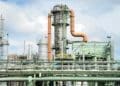
Briefly put, the projects that are all funded through DOE’s Hydrogen and Fuel Cell Technologies Office will support essential scientific research procedures that intend to reduce the cost and improve the performance of hydrogen production technologies.
The hydrogen landscape has arguably benefited the most from the integration of technology into the renewable energy landscape. Most companies are utilizing technologies that use electrolysis, a process that splits water into hydrogen and oxygen.
The HydroGEN initiative is a crucial program for preliminary-stage research that might lead to larger clean hydrogen deployment programs. As such, it is fitting that the energy department decided to increase the number of states involved.
Gaining a deeper insight into water splitting and electrolysis technology
There are many traditionalists in the hydrogen landscape who, for a long time, were reluctant to incorporate technology into hydrogen generation, but this has now changed in the modern landscape. HydroGEN was specifically created to overcome the long-reigning technical obstacles in hydrogen production.
The main way that it intends to do so is by advancing the materials and processes involved in electrolysis and water splitting. The additional projects selected are expected to determine novel catalysts, membrane materials, and system architectures that could lower the amount of energy and cost required to produce clean hydrogen.
Shedding light on the expert minds involved in the HydroGEN research initiative
Human beings mainly care about what they stand to benefit from projects, but they do not always appreciate the amount of effort it takes to provide reliable energy. In this particular initiative, researchers from diverse academic institutions, national laboratories, and private-sector partners will participate.
This shows the collective effort from different bodies in the U.S as they all work towards reducing carbon emissions. The collaborations are not new; in the past, they have combined science with early applied research.
Looking ahead: What does the HydroGEN hydrogen initiative hope to achieve?
A key area for these HydroGEN projects is improving the durability or resilience of the electrolyzer. The target in energy projects is always to reduce expenses and possess resources that are capable of lasting an extended period.
The HydroGEN investments are consistent with the wider DOE hydrogen strategy that intends to make clean hydrogen cost-competitive with fossil fuels. This strategy is known as the Hydrogen Energy Earthshots Initiative and is reportedly aiming to reduce the price of hydrogen down to $1 per kilogram within the next ten years.
The Department of Energy views hydrogen as an essential tool in the clean energy transition, considering the amount of money that has been invested in it.
Hydrogen is an effective energy carrier that is able to complement other energy sources such as solar, wind, and nuclear power. This explains why countries around the world are strategically positioning themselves for the imminent increase in hydrogen demand.