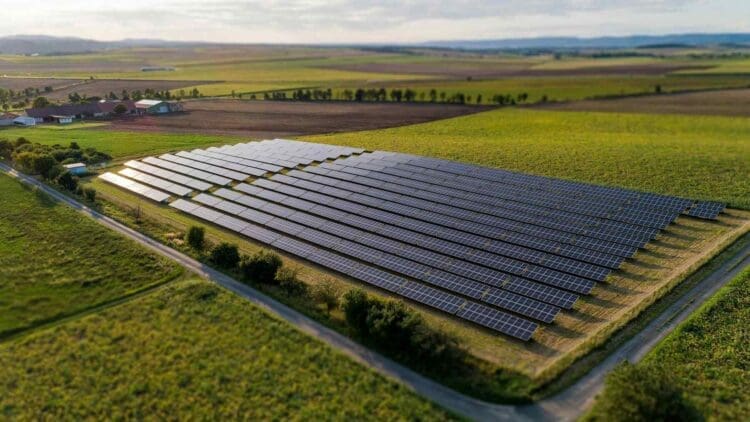

Although developers are at the forefront of initiatives and receive the most credit for their materialization, it is important to highlight that none of the energy facilities could have been built without approval from the Department of Energy. There are many initiatives that have been able to progress as planned on paper because they failed regulatory assessments, so the projects that move forward are deemed beneficial and not liable to cause harm. Such is the case in the latest initiative after the Department of Energy promoted solar growth via grid integration initiatives and agrivoltaics development programs.
The Department of Energy approves of yet another solar energy facility
As seen in the actions of the United States in its projects, there is a clear intention to elevate solar energy initiatives and diversify the energy portfolio of every state. China remains the outright leader of solar energy production, but the U.S. is actively cutting the gap short by uniquely approaching solar initiatives.
The U.S. Department of Energy (DOE) is quickening its efforts to expand solar energy nationwide through both grid modernization and innovative land-use strategies. Ever since developers began incorporating technological innovation into the energy industry, there has been an increase in the number of captivating initiatives that could not have been achieved through conventional methods.


The nation’s new federal initiatives are particularly concerned with enhancing how renewable energy connects to the grid while opening up the possibility of agricultural land being used for solar deployment. As electricity demand heightens and decarbonization goals become more urgent, it is important that the U.S. continuously pushes boundaries in clean energy projects.
A detailed analysis of how the Department of Energy enhanced grid integration
The sole criticism surrounding solar energy has been that it consists of intermittency issues. There is no way to predict or guarantee that sunlight is available throughout the entire year. This has led to developers coming up with smarter and more innovative ways to extend the availability of solar energy even without sunlight.
Among the DOE’s primary responsibilities is improving how solar energy is integrated into the national grid. A lot of countries still rely on old-school connections, but as renewable installations grow, conventional interconnection processes have created a major obstacle that delays projects.
Taking this into account, the DOE is now heavily concerned with projects that modernize grid systems and accelerate interconnection timelines. The U.S. is always attempting to create a blueprint that other nations may follow, and the DOE has once again demonstrated this fact.
Examining how the DOE’s latest approach may transform solar energy generation
The DOE has a strategic plan that aims to change the way that companies pursue solar energy projects. For instance, programs such as artificial intelligence-driven tools for grid applications are intended to hasten approval processes and lower administrative inefficiencies.
The reason why this approach has been adopted at this particular moment is that there is a backlog of energy projects waiting to connect to the grid.
Additionally, investments in microgrids and distributed energy systems are enhancing resilience and flexibility. Microgrids are a unique addition to solar energy generation because they are able to function without relying on the main grid.
Assessing the long-term solar energy growth of the United States
The DOE has an objective to enhance solar energy generation in the present and in the future. The merging of digital innovation and infrastructure upgrades is an action that can guarantee that solar energy can be delivered reliably and efficiently.
The DOE is also advancing agrivoltaics, which is a strategy that mixes solar energy generation with agricultural production on the same land. Agrivoltaics allows farmers and landowners to install solar systems while conducting agricultural activities. Ultimately, this can maximize land productivity.
According to reports, agricultural land is very appropriate for solar development because of its size, sunlight exposure, and existing infrastructure. As such, the United States may kill two birds with one stone in its groundbreaking initiative.