

The international energy industry is in a constant state of evolution. To meet the diverse energy needs of the world and to boost the Kingdom of Saudi Arabia’s diversification efforts, ExxonMobil and Saudi Aramco have agreed to establish a new Venture Framework Agreement (VFA) to evaluate the plans to upgrade the Samref refinery to produce higher quality and more volumes of essential energy resources and fuels. With the current trend of upgrading refineries to handle petrochemicals, the Kingdom has opened the door to a new era of diversified energy production.
Can the Kingdom successfully upgrade its Samref Refinery in 2026?
The Kingdom of Saudi Arabia has become one of the most dominant forces in the international energy marketplace. Saudi energy experts have lauded the plans to expand the Samref refinery in the new year, and have noted that by diversifying production, the Kingdom is following market trends and is aiming to increase refining and petrochemical production.
As nations aim to decarbonize energy output in 2026, petrochemical production is a tried and tested method to reduce harmful carbon emissions from energy production. Samref, ExxonMobil, and Saudi Aramco have signed a new Venture Framework Agreement (VFA) to evaluate the upgrade plans for the refinery in Yanbu.
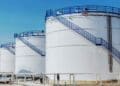


By signing the new agreement, the companies can now explore potential capital investments to diversify production and upgrade the existing refinery into a new facility with significant national importance. The refinery, once upgraded, will enable the companies to expand refining output as well as integrate a new petrochemical production facility.
Mohammed Y. Al Qahtani, Aramco Downstream President, had this to say:
“This next phase of Samref marks a step in our long-term strategic collaboration with ExxonMobil. Designed to increase the conversion of crude oil and petroleum liquids into high-value chemicals, this project reinforces our commitment to advancing Downstream value creation and our liquids-to-chemicals strategy. It will also position Samref as a key driver in the growth of the Kingdom’s petrochemical sector.”
Next up for the Smaref Refinery is the necessary FEED process
Having signed the new agreement, the next step in the development process for the Samref Refinery is the necessary preliminary front-end engineering and design phase. The companies have stated that the FEED phase aims to maximize operational advantages and enhance the refinery’s competitiveness, not to mention assisting the Kingdom in meeting the growing demand for high-quality energy products.
At the moment, the Samref Refinery boasts a refining capacity of approximately 400,000 barrels of crude oil per day, and once all the relevant upgrades have been made, the new petrochemical facility will produce vast amounts of propane, automotive diesel oil, marine heavy fuel oil, and sulphur.
“We value our partnership with Aramco and our long history in Saudi Arabia. We look forward to evaluating this project, which aligns with our strategy to focus on investments that allow us to grow high-value products that meet society’s evolving energy needs and contribute to a lower-emission future.” – Jack Williams, Exxon Mobil Corporation Senior Vice President
Fuel-short regions of the world will be keeping a close eye on the new era of petrochemical production that has emerged over the past few years. The Samref Refinery has become a major driver of growth for the Kingdom of Saudi Arabia.
Other petrochemical facilities in the Kingdom are gaining momentum
With the upgrading operations at the Samref refinery bringing the need to diversify output in the Kingdom into focus, the Yasref petrochemical complex is gaining traction as the latest addition to the Kingdom’s petrochemical sector. With the market in a constant state of evolution, the efforts of ExxonMobil, Saudi Aramco, and Samref have revitalized the nation’s petrochemical sector this year.