
Canada and the United States often rely on each other when it comes to executing clean energy initiatives, as well as the companies utilized. This explains why companies originating from both the U.S and Canada may be selected to pursue the same initiative in both countries. While the U.S. wind energy landscape was going through a period of uncertainty, Canada continued to expand its portfolio with the end goal of reducing carbon emissions. As of late, it is EDF and Hydro-Québec that have secured a financing milestone for the Madawaska wind energy project.
The Canadian wind energy landscape reaches a major milestone through a partnership
If there is one thing that has been proven true from the 2026 energy projects, it is that partnerships bring a greater likelihood of the success of an initiative. This is because collaborations lessen the burden and the responsibility of a single company having to manage the costs and progress of an initiative alone.
EDF Renewables is a leading global renewable energy company and a subsidiary of the French utility EDF Group. The firm’s main mission is to develop, build, and operate wind, solar, and battery storage projects. Hydro-Québec is a Canadian entity and one of the world’s largest hydropower producers. The firms’ primary objectives are interconnected, which means that they are able to complement each other.

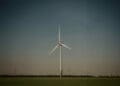
Considering the history and reputation of both companies, it is not overly surprising that they have reached a major milestone in renewable energy expansion. EDF and Hydro-Québec have secured financing for the Madawaska Wind Energy Project in Quebec. The facility has a capacity of 274 MW, which makes it eligible to play a crucial role in the province’s clean energy strategy.
Delving deeper into EDF Renewables and Hydro-Québec’s milestone for Madawaska
What has been interesting to witness in the 2026 landscape is the dedication of countries’ governments to support clean energy initiatives financially, simply because the world is aware of the need to generate clean air. EDF Power Solutions Canada, in partnership with Hydro-Québec and the Alliance de l’énergie de l’Est, has officially reached financial close on the Madawaska Wind Project.
This achievement was made official after the government issued a decree authorizing the project. This meant the provision of a green light for construction to begin. The financing package was organized by a consortium of major lenders such as Canadian Imperial Bank of Commerce, National Bank of Canada, Desjardins Group, and KfW IPEX-Bank.
Amy Lloyd, who is the CFO of EDF Power Solutions North America, stated:
“Securing this financing underscores the commercial viability and strategic importance of the Madawaska Wind project in achieving Quebec’s energy transition goals and the importance of our collaboration with local communities,”
Understanding the value of the Madawaska energy project to Canada
The structure of the funding package was organized under Green Loan Principles. If the government is fully on board with a certain facility’s construction, then the project aligns with sustainable finance standards and climate-focused investment frameworks. Additionally, it serves as evidence that the project is commercially viable in the long run.
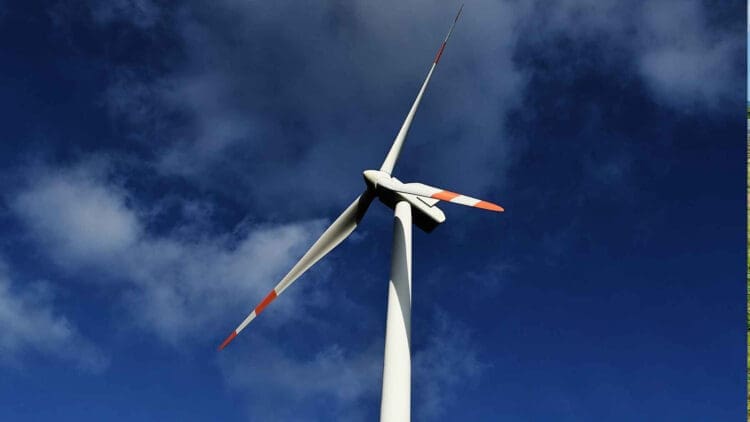
The Madawaska project’s exact location is in the Bas-Saint-Laurent region, and it will occupy the municipalities of Dégelis and Saint-Jean-de-la-Lande. The facility will possess 45 wind turbines and deliver a total installed capacity of 274 MW.
When operational, it is expected to generate enough electricity to power more than 44,000 homes per year. The project will also be incorporated into Hydro-Québec’s grid under a long-term power purchase agreement, resulting in stable energy distribution and revenue streams.
Reviewing the community benefits of the Madawaska Wind Project
The Madawaska project is designed to deliver major economic benefits to local communities. During its lifespan, approximately CAD $181 million will be distributed among regional stakeholders. It is also expected to create over 300 construction jobs and long-term regional development opportunities.
There are massive expectations surrounding the project, with many viewing it as setting the standard for future projects. Only time will tell how true this is.