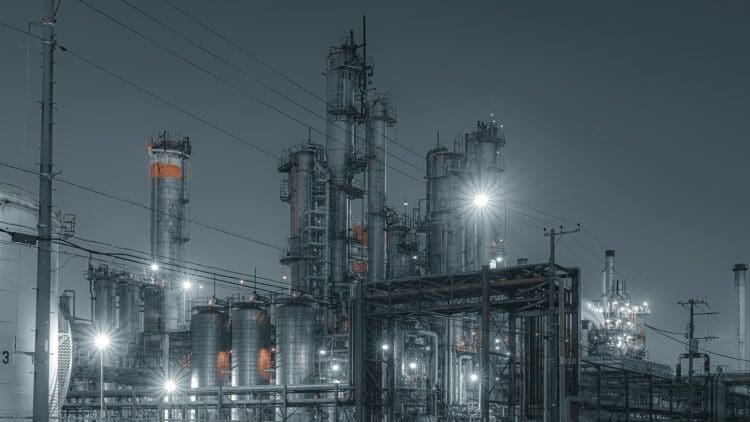
Two major North African energy-producing nations with lofty ambitions for 2026 have come together to sign a bilateral agreement to formalize oil and gas cooperation between the two nations. Libya and Egypt signed the new Memorandum of Understanding that will provide a framework for significant cooperation needed to advance several projects and downstream developments in the North African region.
Africa: A new energy player or merely a footnote in the energy industry history?
For far too long, Africa has languished in the shadows of the more prominent energy markets of the world. While we could provide the obvious reasoning for the lack of growth across the African energy market, the reality is that the current climate has seen several new agreements and deals that provide the necessary support for the African energy industry.
On the sidelines of the recent Libya Energy and Economic Summit in Tripoli, a new agreement was signed that will support and deepen the cooperation between the two North African nations in the oil, gas, and mining sectors for 2026. The new MoU was signed by Masoud Suleman, Chairman of Libya’s National Oil Corporation (NOC), and Waleed Lotfy, Chairman of the Petroleum Projects and Technical Consultations Company (PETROJET).
The signing ceremony was overseen by Egypt’s Minister of Petroleum and Mineral Resources, Karim Badawi, Libya’s Minister of Oil and Gas Khalifa Abdulsadek, as well as Libyan Prime Minister Abdulhamid Al-Dbeibeh, reflecting the national importance of the new deal.
A new era of bilateral cooperation in North Africa is upon us
The new Memorandum of Understanding provides the necessary framework for joint research across the energy industry in North Africa, as well as the development of crude oil refining to maximize output capacity and added value. The governments of each nation have pointed to a possibility under the new agreement for crude oil and gas transportation between Libya and Egypt.
“This agreement reflects our intent to deepen regional cooperation and exchange expertise to support production growth, energy security, and sustainable development,” – Libyan Prime Minister Abdulhamid Al-Dbeibeh
Energy development cooperation: a method to increase downstream production
During the opening session of the Libya Energy and Economic Summit, Egypt’s Minister of Petroleum and Mineral Resources, Karim Badawi, stated that by supporting the litany of downstream industries in the two nations, Egypt and Libya have opened the door to a new era of bilateral economic prosperity.
Furthermore, Badawi stated that his nation’s energy infrastructure provides the basis for regional energy trading, citing Egypt’s liquefaction plants as well as its status as Africa’s second-largest refining hub. Egypt currently has a crude processing capacity of approximately 40 million tons annually.
As the government of Egypt recently opened a global licensing round for offshore oil and gas acreage in the iconic Red Sea, the new bilateral MoU signed between the two nations lays the foundation for tremendous downstream growth across the North African energy sector this year.
We would be remiss if we did not mention that the oil and gas sector contributed 8% to the Egyptian GDP last year, and that Libya also recorded a series of discoveries towards the tail end of 2025, backed by a sizable investment program of approximately $20 billion.
New oil and gas discoveries have forced Libya to extend an invitation to Egypt
A recent oil discovery made by the Arabian Gulf Oil Company (ACOGO) in the Ghadames basin in the North of Libya has presented the government with an opportunity to expand its refining operations. To do so, the new deal with Egypt was deemed necessary; thankfully, both nations are open to a bilateral agreement that provides the foundation for regional energy trading and cooperation across the pair of nations’ downstream sectors.