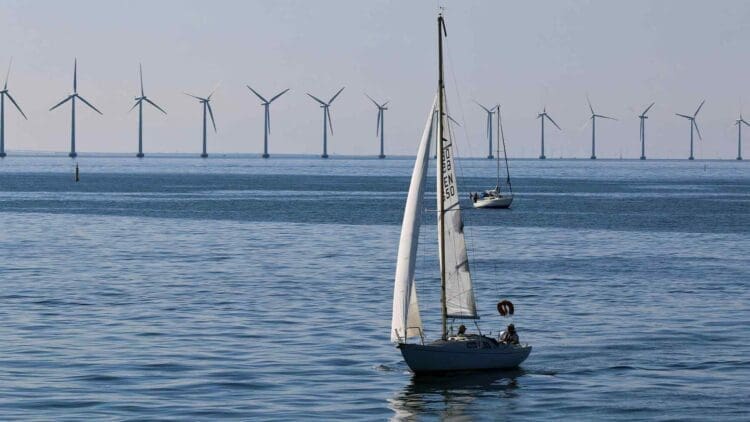

Germany is experiencing an incredible amount of momentum at the moment, as there is news of continuous energy projects emerging from the powerhouse nation. Many companies must strike while the iron is hot because the European nation might decide to stop permitting large-scale wind energy initiatives. The latest company to benefit from the thriving wind landscape is EnBW, which has reached a key construction stage at the 960 MW He Dreiht offshore wind project.
A brief overview of EnBW’s importance to the German energy landscape
EnBW is one of the largest integrated energy companies not only in Germany but throughout Europe. It is a company that serves the German economy; for example, there are 30,000 people currently employed, and it serves over 5 million customers. As a firm that has existed since the 1970s, it has experienced different eras of energy generation.
At the moment, the firm’s primary concern is generating clean energy for the people of Germany. The German offshore wind sector has reached a monumental period as energy company EnBW advances construction of the He Dreiht offshore wind project in the North Sea.
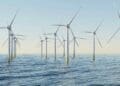
Large-scale facilities take a lengthy period to develop, and the company has had to comply with all the regulations before achieving this big milestone.
The renewable energy facility has a planned capacity of 960 MW. According to reports, the company is now at the halfway point in its turbine installation phase. Usually, the general population has to remain patient before a development materializes, but in this instance, they may start to be excited about what the facility can bring. After completion, He Dreiht will become Germany’s largest offshore wind farm.
Unpacking the features of He Dreiht wind farm, Germany’s largest ever offshore facility
The year 2026 has shown that each project that comes by could shatter the record set by previous developments. This is because technological innovation has elevated to such a high level that it makes it possible for developers to establish groundbreaking facilities. However, it is important to acknowledge that at the moment, the He Dreiht wind farm is the leading development.
32 out of the 64 planned wind turbines have been installed in the North Sea, bringing the project very close to completion. Each turbine has a capacity of 15 MW, which places them among the most powerful offshore wind turbines currently available on the market.
The project is situated roughly 85 km northwest of Borkum and about 110 km west of Heligoland, in Germany’s exclusive economic zone of the North Sea. Once operational, the 960 MW wind farm is expected to generate enough renewable electricity to support nearly 1.1 million households each year.
Reviewing the installation process and the technology used in the facility
One of the most spoken about aspects of the project is the installation process. The work was and is being done using specialized vessels that transport and assemble the huge turbine components at sea. The ships load tower sections, nacelles, and rotor blades before installing them on foundations already fixed to the seabed.
This is a time-efficient way of completing the installation in a facility that is expected to materialize by the summer of 2026.
Vestas turbine technology takes center stage at the He Dreiht wind farm
As seen in many initiatives coming out in 2026, Vestas is at the heart of the turbine technology utilized. One of the unique features of the He Dreiht project is its use of Vestas V236-15.0 MW turbines, which are the largest offshore wind turbines currently deployed commercially.
The reason for their growing relevance is that they represent the next generation of high-capacity renewable energy technology.
To put the strength of the turbines into perspective, a single rotation of the rotor can generate enough electricity to supply four households for a full day. The European continent is enjoying significant developments as of 2026.