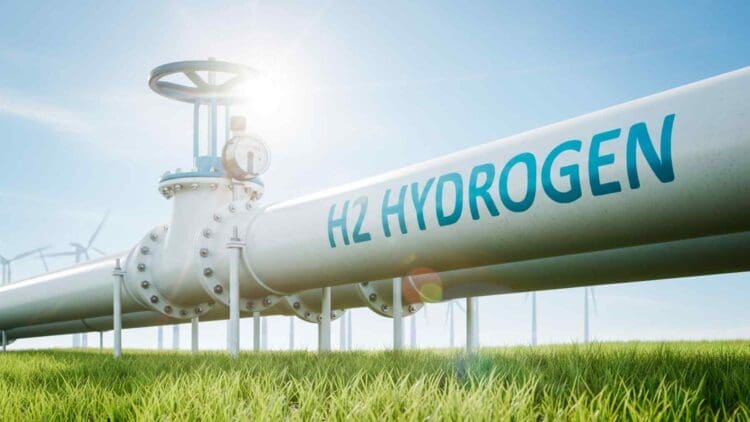

As seen in the number of hydrogen projects undertaken in 2026, the energy source is quickly becoming integral to nations’ aspirations of cutting carbon emissions. Additionally, many experts have uncovered just how versatile it is as an energy source, leading to developers seeking to generate it at scale. This explains why energy sector leaders are urging UK officials to address mounting setbacks in hydrogen rollout.
A brief overview of the current hydrogen landscape in the UK
It is not a secret that the UK also has plans to pursue massive hydrogen projects, just like most countries. As such, the nation is visibly annoyed with the number of setbacks that have emerged in the most recent period, prohibiting companies from proceeding with developments as they initially planned.
The UK is quickly developing a resilient hydrogen economy as it targets to produce 10 GW of low-carbon hydrogen by 2030. Despite investing loads of money in this objective, the nation will not be successful if it does not manage the current obstacles.


There are a lot of people in the United Kingdom’s hydrogen economy who are pleading with government officials to act quickly, as delays and policy uncertainty are threatening the nation’s clean energy transition.
Why the urgency? Unveiling the issues in the United Kingdom’s hydrogen market
The past weeks have seen the Hydrogen Energy Association (HEA), which represents hydrogen producers, developers, and supply chain stakeholders, issuing a warning to ministers that the hydrogen project delays are occurring at the worst possible time because the energy source is most profitable right now.
The main issue that the nation is faced with relates to the postponement of the UK government’s Hydrogen Allocation Rounds (HAR). These are the channels through which subsidies are issued with a specific focus on making hydrogen production financially beneficial.
It is not surprising that companies will be less likely to pursue certain projects if there is no guarantee that they will bring profit for them. Energy companies are recognizing the actual value of completing successful projects because this opens up worldwide opportunities for them to reach a large number of people.
The UK is simply moving too slowly in comparison to how other nations are. For instance, the government’s first allocation round took more than a year to conclude, and results from the second round (HAR2) remain uncertain.
The Hydrogen Energy Association’s leaders express concerns
The current landscape has gotten so concerning that leaders are insistently speaking up with the aim of convincing the government to recognize the seriousness of the situation. For instance, Dr Emma Guthrie, who is the HEA’s Chief Executive, states that the hydrogen sector is primed and ready to invest and provide hydrogen facilities, but investors are now reluctant because of the delays. According to her, the solution is as follows:
“Cross-ministerial coordination is essential to unlock private investment, protect UK jobs and keep hydrogen on track to play its role in growth, energy security, and decarbonization.”
Examining the impacts of the delays on the UK’s long-term strategy and economy
The HEA has been at the heart of urging officials by providing reputable information that shows the negative impacts of the delays.
For instance, the organization has collected data showing that if the policy has improved, the UK hydrogen sector could support up to approximately 17,000 jobs by 2030 in areas such as engineering, construction, manufacturing, and plant operations.
Consequently, a competent domestic hydrogen industry could permit the UK’s industrial workers and general population to transition from fossil fuels to clean energy.
Among the hydrogen initiatives that have come in 2026, the UK is only involved in a few because of the government’s lack of urgency. The Energy sector is playing its part so that when the nation loses out on a massive amount of revenue, the blame will solely be on the government, which has failed to recognize the attractiveness of hydrogen in the current landscape.