
As hydrogen is becoming more integral to the global transition toward clean energy generation, there is an emergence of companies that are willing to invest money into groundbreaking initiatives. At the moment, China is the leading hydrogen-producing country, but the United States is quickly increasing its capacity as well. One advantage that European countries have over the rest of the world is their ability to unite and collaborate when pursuing energy initiatives. The latest entity to reach a significant milestone is Eni after securing €500 million in financing to advance hydrogen-integrated biorefinery conversion in Italy.
Eni reaches a significant financial milestone in hydrogen development
It has been interesting to note just how much governments are willing to financially support energy companies with the understanding that they desire to serve the general population. Italy’s hydrogen landscape is rapidly expanding, driven by billions of dollars of governmental funding as the nation aims for 5 GW of electrolysis capacity by 2030, transforming heavy industry and transport.
One of the entities at the center of the nation’s aspirations is Eni, a major Italian integrated energy company that was founded in 1953. It is headquartered in Rome and operates in around 64 countries. The Italian energy company sent shockwaves in the European landscape after announcing that it has secured €500 million in financing to accelerate the transformation of its Sannazzaro refinery into a next-generation biorefinery integrated with low-carbon fuel production.

The funding is provided by the European Investment Bank (EIB), reflecting a significant step in scaling sustainable fuels across Europe. Additionally, it displays the amount of confidence placed in energy developments.
Breaking down how the €500 million in financing will be spread out in Eni’s project
The project is consistent with the overall decarbonization goals, especially in hard-to-electrify sectors like aviation and heavy transport. Additionally, it emphasizes Italy’s position as a strategic hub for renewable fuel innovation and circular energy systems.
Whenever there are massive amounts of money involved in a single project, people are quick to question just how all that money will be spread out and invested into the development.
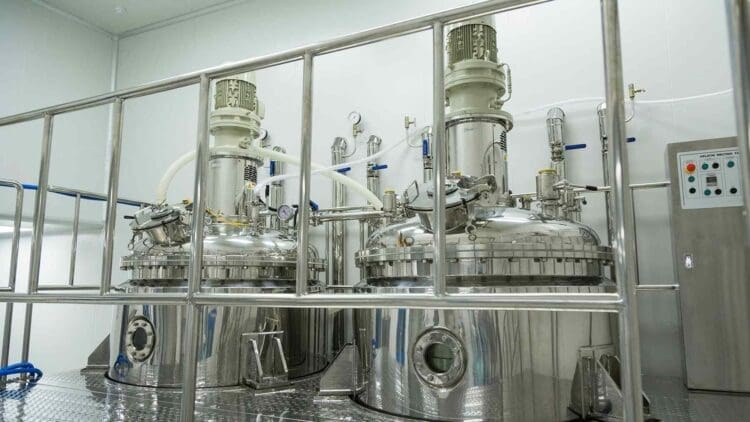
In this case, the €500 million agreement takes the form of a 15-year loan aimed at converting key units of Eni’s Sannazzaro de’ Burgondi refinery in northern Italy into a biorefinery. A pivotal part of the initiative is the upgrade of the refinery’s hydrocracker unit using Ecofining™ technology, alongside the construction of a pre-treatment facility for waste-based feedstocks such as used cooking oil.
This is a conversion that will foster the production of hydrotreated vegetable oil (HVO) biofuels and sustainable aviation fuel (SAF). Both of these are essential to reducing lifecycle emissions in transport.
Understanding the significance of hydrogen-integrated biorefinery conversion in Italy
Interestingly, the initiative is a follow-up on a previous €500 million financing package signed in 2025 for the conversion of Eni’s Livorno refinery. This displays the long-standing partnership between Eni and the EIB in advancing low-carbon fuel infrastructure.
This is a strategy that is expected to elevate efficiency and continue to reduce emissions across the fuel value chain. From 2028, the upgraded facility is projected to generate roughly 550,000 tons per year of HVO diesel and SAF.
These are fuels perceived as being among the most feasible instant solutions for decarbonizing aviation, where alternatives remain limited. Waste-derived feedstocks also support a circular economy model, reducing dependence on virgin raw materials.
Looking ahead: How Eni might have transformed the global hydrogen landscape
The project strengthens European initiatives such as REPowerEU, which aim to elevate energy security while accelerating the transition to cleaner energy systems. The Sannazzaro conversion is part of Eni’s ambitious objective to expand its biofuel production capacity to 5 million tons annually by 2030.
At the moment, biofuels are produced at Eni’s biorefineries in Venice and Gela, and through its U.S. based joint venture, St. Bernard Renewables.
Europe deserves tremendous credit for elevating hydrogen initiatives. Other nations and continents could learn a lot from Italy’s energy expansion.