
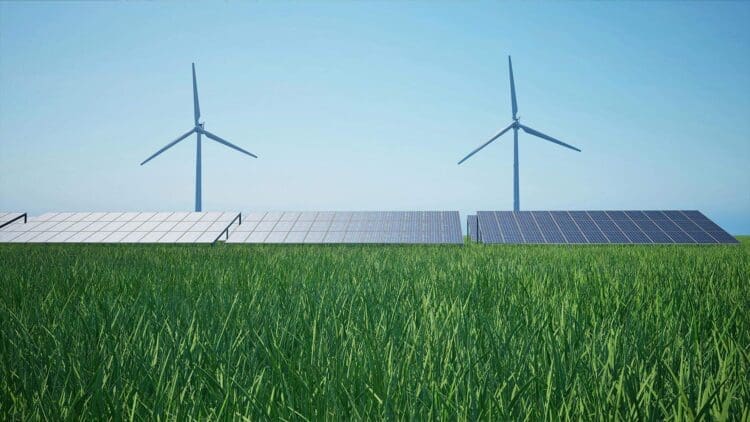
The renewable energy sector has been given a dramatic boost by the news that Equinor, a major player in the renewable energy market, has brought its first-ever hybrid wind and solar project online in Brazil’s Bahia region. The South American market is reacting to the recent developments that saw US President Donald Trump ousting Venezuelan strongman Nicolas Maduro. Now Brazil is aiming to develop its renewable energy market through the new hybrid project.
Equinor has taken a major step in increasing its renewable energy portfolio in South America
The company has been contemplating measures and projects that would increase its presence in the South American energy market. It already holds significant wind energy interests in Brazil, and has now revealed that it has brought its first-ever hybrid energy project online in Brazil.
Equinor, through its Brazilian subsidiary Rio Energy, has begun with full-scale commercial operations at the Serra da Babilônia Solar facility. The site has been strategically located within the region housing the existing Serra da Babilônia Wind project. This marks a major milestone for Equinor as it is the first integrated hybrid energy project that combines solar and wind power for the company.
“Hybrid projects that effectively integrate solar and wind technologies support a stable and reliable energy supply while enhancing value creation, in line with Equinor’s strategy. Such projects and the integration of technologies will be important for building a competitive power business,” says Helge Haugane, executive vice president for Power at Equinor
The hybrid development aims to leverage the complementary nature of the region’s weather conditions, enabling the solar panels to soak up the sun’s rays during the warmest of days, while the wind farm will generate clean energy when the iconic Brazilian winds blow through the region.
Equinor is aiming to leverage significant synergies in its Brazilian portfolio
The company has expressed its ambition to leverage the substantial synergies between the wind farm and new solar facility to strengthen its Brazilian renewable energy portfolio. By sharing the existing infrastructure on site, Equinor can save vast amounts of money and time to reduce intermittency related to renewable energy generation, which has been a major hindrance in advancing the standing of renewable energy.
The estimated accumulated energy production at the Serra da Babilônia Solar facility is expected to come in at around 236 GWh of power annually, which could power up to 143,000 Brazilian households. Equinor has noted that the energy produced on-site will be sold in the nation’s energy market by the company’s energy trading corporation, Danske Commodities.
As new investments in solar energy generation become the norm across the international energy sector, Equinor is aiming to lead the energy transition in the South American nation of Brazil this year.
“Brazil is a key area for Equinor’s long-term growth. Building on a solid portfolio of oil and natural gas, including Raia that will supply around 15% of Brazil’s total gas demand, we are advancing towards a more integrated and diverse energy offering in the country. With Serra da Babilônia Solar operational, we now have around 600 MW of solar and wind capacity in power production, which we can further optimize through our trading arm Danske Commodities based in São Paulo,” – Veronica Coelho, senior vice president and country manager for Equinor Brazil
New advancements in solar power technology have emerged in 2026
As Equinor increases its already beneficial presence in the Brazilian renewable energy market, new developments in solar power technology have left the international energy market in shock and awe. A new technology has been developed by a portable power solution company called Jackery, which will reshape the global solar power market. The new era of renewable energy has begun.

