
A 174-by-59-foot floating solar platform passed five bridges before hosting 10 tons of oysters in Thau Lagoon
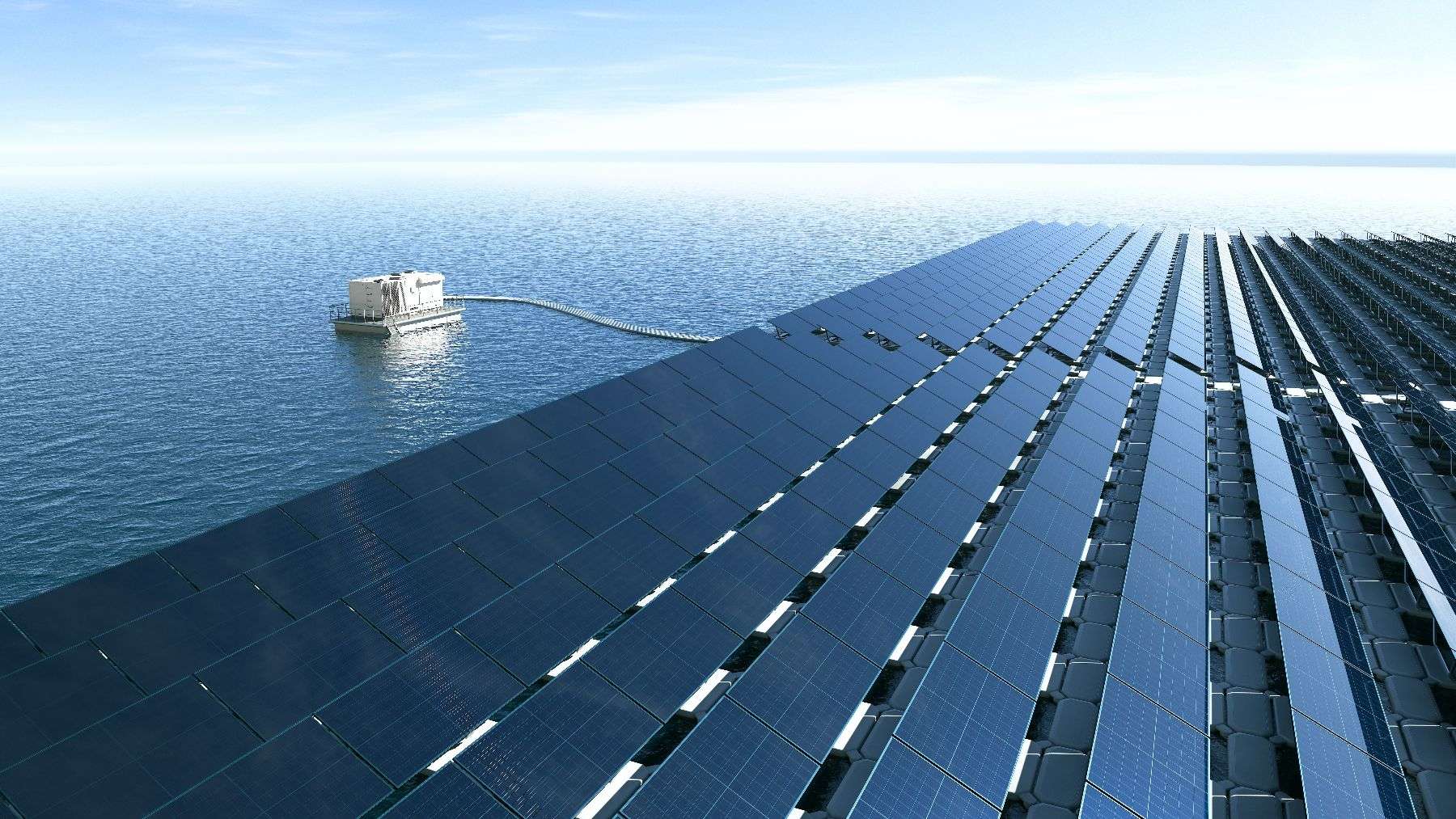
What do you get when solar energy meets oyster farming? In France, the answer is a giant floating platform towed through the canals of Sète, under five bridges and into the Thau Lagoon with a rather odd job ahead of it: growing oysters while generating renewable energy.
The SolarinThau project experiments with the concept of solar photovoltaic technology and shellfish farming utilizing the same space. The floating structure is about the size of a standard oyster-farming table in the Thau Lagoon, which is about 174 by 59 feet. The solar structure is designed to hold up to 10 tons of oysters during the experimental phase.
A different purpose for a solar farm
SolarinThau is a hybrid demonstration project designed specifically for the needs of the local shellfish industry. The prototype combines photovoltaic equipment with infrastructure for oyster and mussel farming to create what its developers call a new generation of floating shellfish-farming tables.
SolarinBlue’s technology brings this concept to the marine environment, where the company is developing floating photovoltaic systems for harsh offshore conditions.
The project is co-financed by the French State and the Occitanie region and is supported by a consortium that includes the Mediterranean Regional Shellfish Farming Committee, the Thau Basin Joint Syndicate, and SolarinBlue, a floating solar company. It is essentially a real-world test of whether a working oyster farm could also become a place to generate clean energy.
A tricky journey to the lagoon
Getting the enormous structure into position was an engineering feat.
On 7 June 2026, the platform left the Colbert Basin in Sète and travelled by water to its experimental site in the northern part of the Thau Lagoon.
Along the route, the unusual convoy passed beneath five of Sète’s bridges: Victoire, Tivoli, Gare, Sadi-Carnot, and the Foch railway bridge.
The structure had previously been assembled at the Port of Sète and launched into the Colbert Basin on 16 May for its initial technical checks.
From there, it was ready for a more ambitious journey into the lagoon and the next stage of testing.
10 tons of oysters under the solar panels
SolarinThau is in an 18-month experimental phase that started in July 2026 and will continue to December 2027. This time frame is important because it roughly corresponds to a full cycle of oyster farming. The project allows the partners to measure the amount of electricity that the floating solar technology can generate and observe the performance of the combined system in real operating conditions.
The platform is designed to carry 10 tons of oysters and produce renewable electricity with its photovoltaic equipment. SolarinBlue said the prototype is tested for technical, environmental, and operational feasibility.
Why put solar panels over an oyster farm?
The Thau lagoon is already an important center of shellfish farming. The area produces more than 10,000 tons of oysters and mussels annually. Floating solar technology is one solution for the land-use problem because solar installations usually require large tracts of land, while floating systems can utilize the surface of the water.
SolarinBlue’s technology brings this concept to the marine environment, where the company is developing floating photovoltaic systems for harsh offshore conditions. The aim is to introduce solar generation to the marine environment without increasing competition for land.
The future of aquaculture and floating solar
SolarinThau is especially compelling in that it does not see renewable energy and aquaculture as competing uses of the same environment. Rather, the project is testing whether they can collaborate. The floating platform in the Thau Lagoon is a small-scale experiment asking the question: could renewable-energy infrastructure be integrated into the working landscape of aquaculture rather than pushing it out?
During the experiment, the oysters and solar panels will share the same floating space. Perhaps the most interesting part is that one area of water could produce both renewable energy and food.

